Index
Browse all
Everything on the site, filed by the source the electricity comes from. Twenty-one pieces, five sections, no dropdown required.
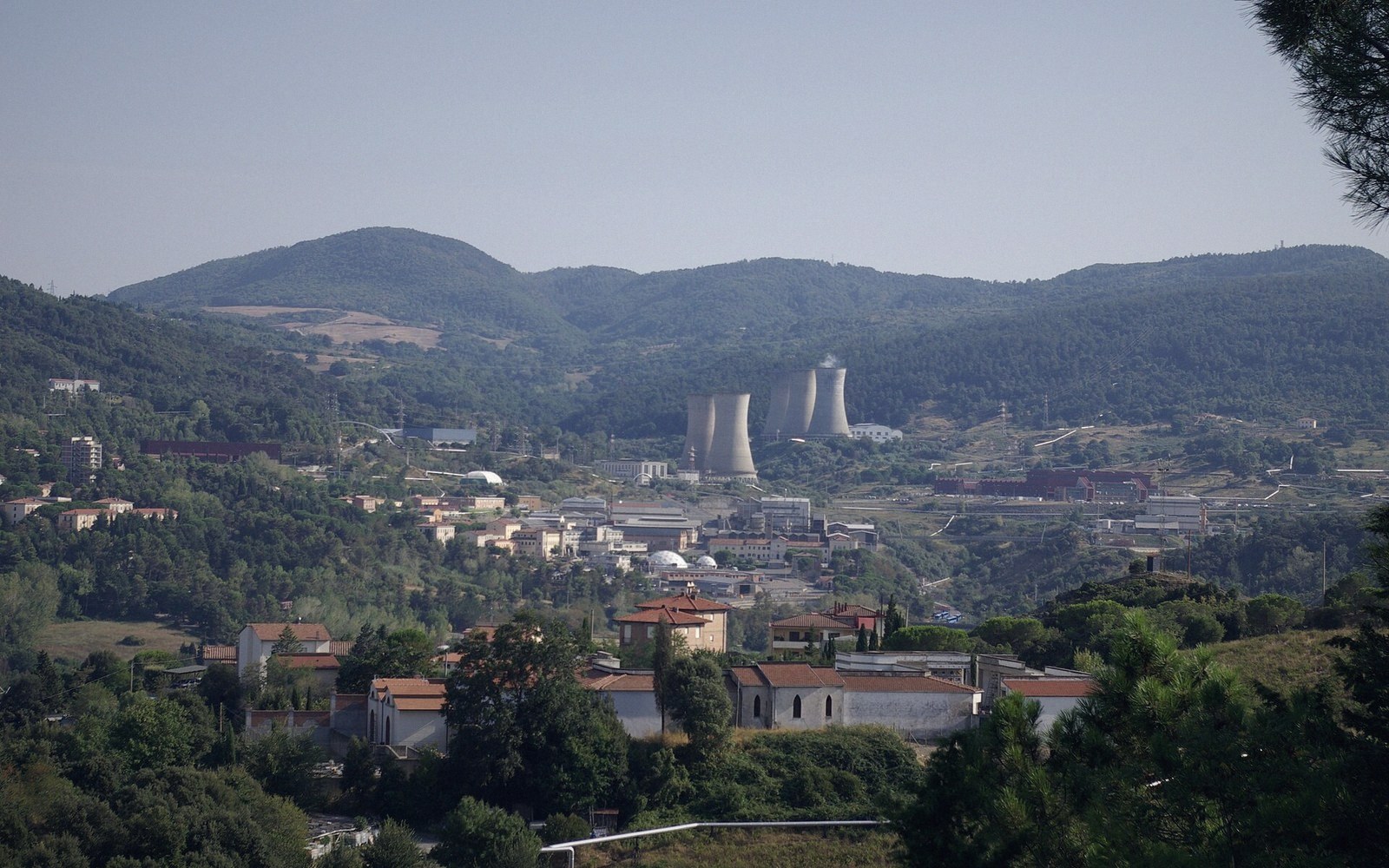
Geothermal
Larderello, and the field that was first in the world.
-
Larderello Was First
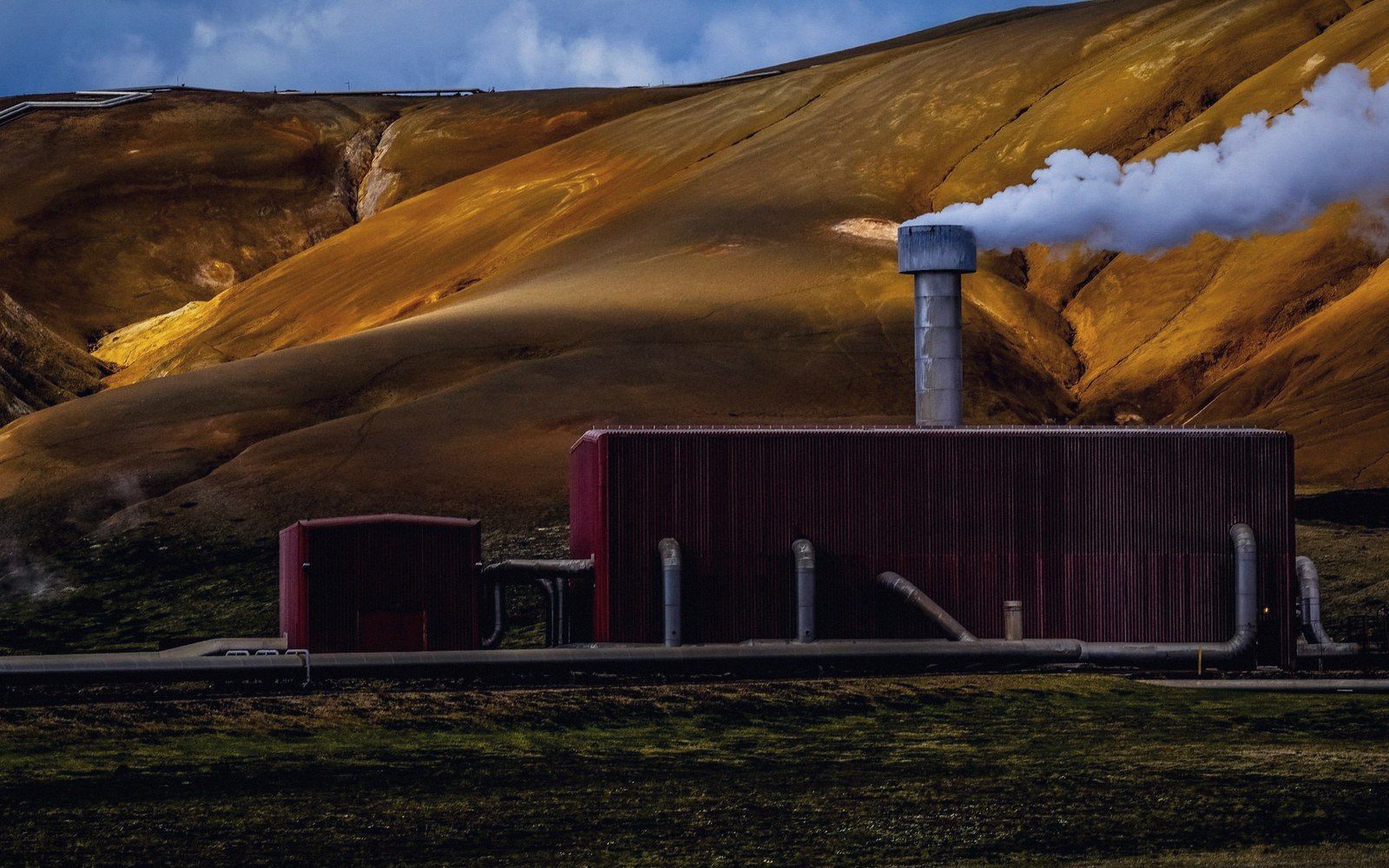
The Tuscan field where geothermal electricity was generated before anywhere else, and why the geology there permits it. What a dry-steam field is, how the wells are managed, and why this technology stayed regional rather than spreading.
-
What a Wellhead Actually Does
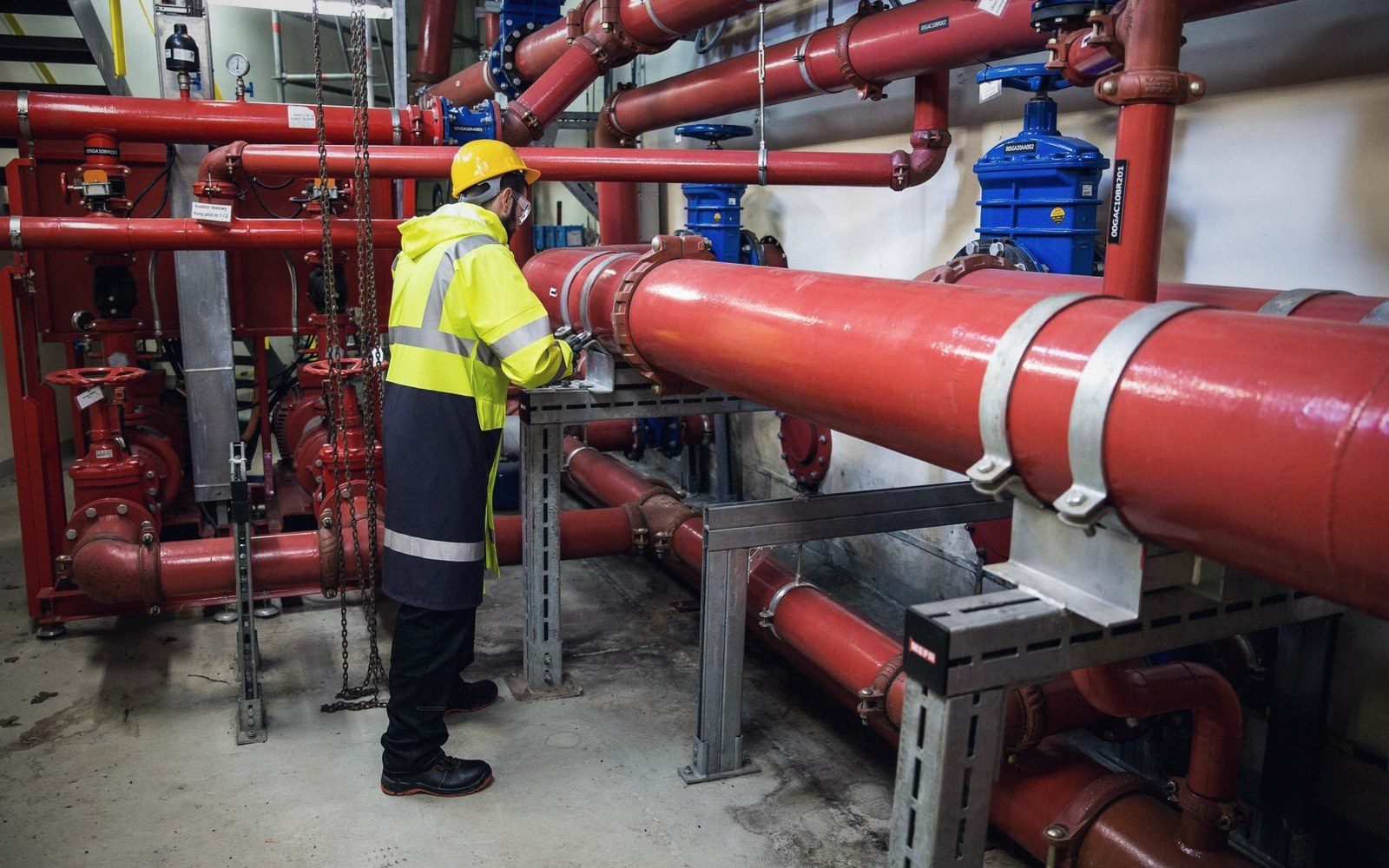
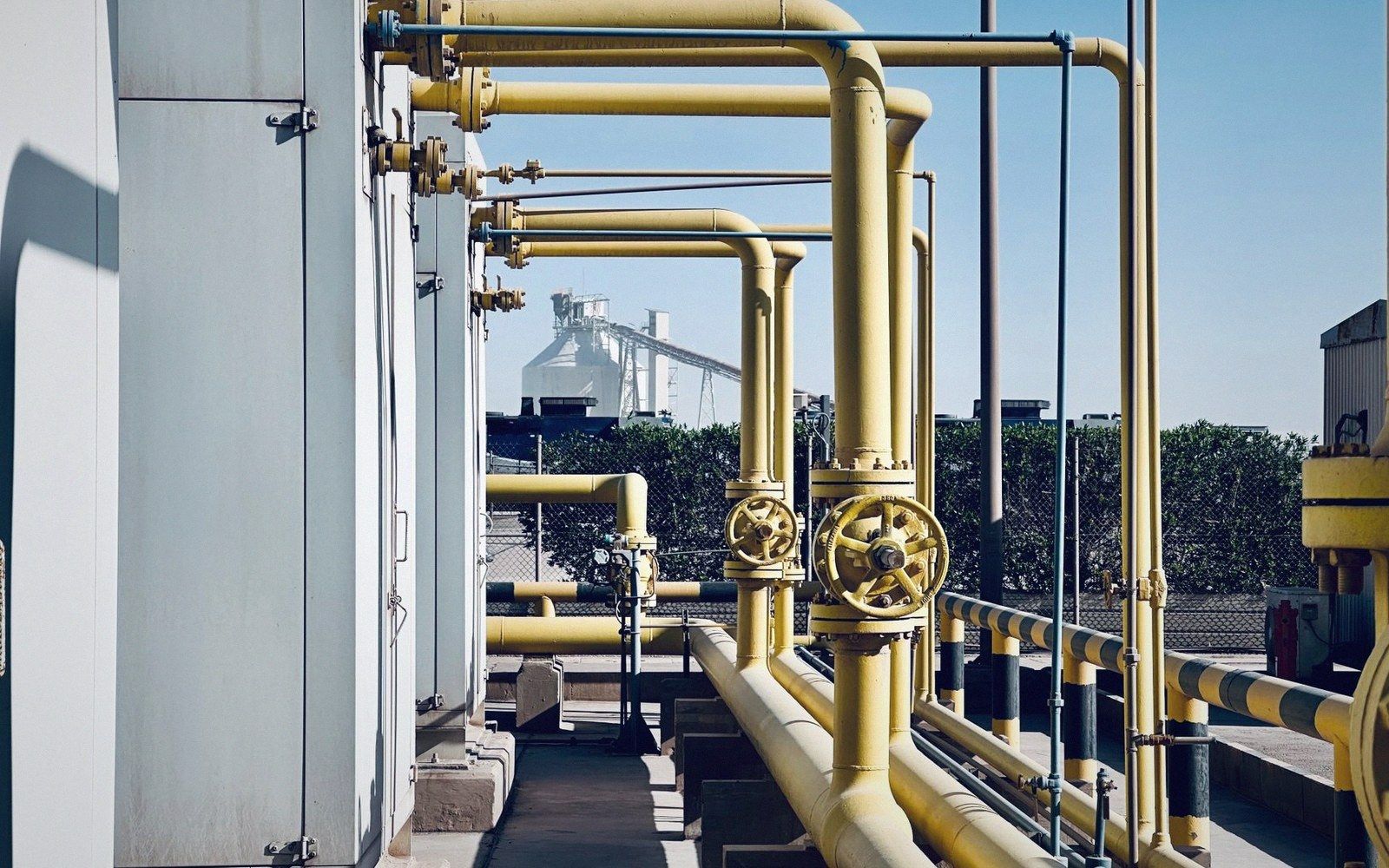
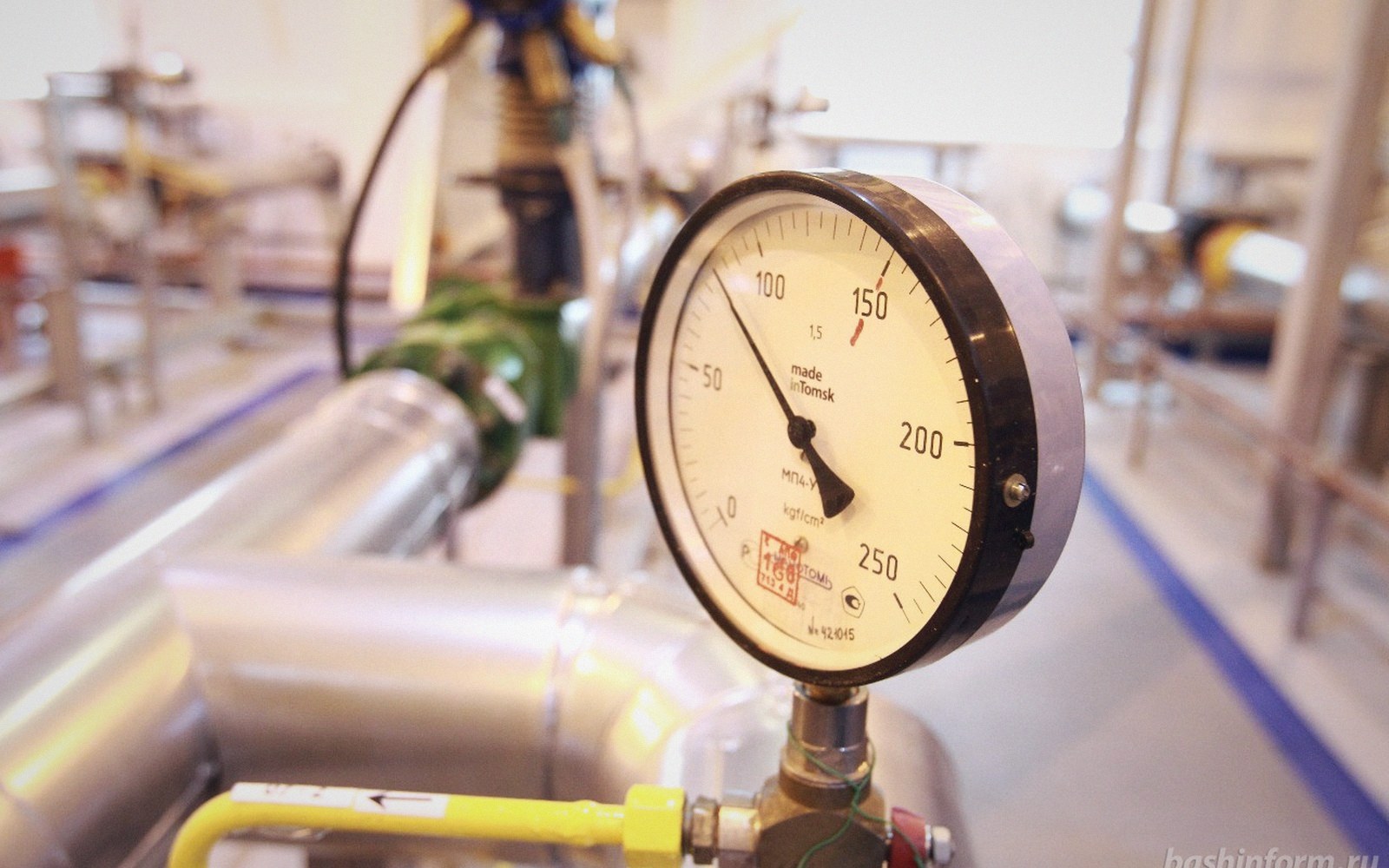
Steam arriving at pressure, separation, and the route to the turbine. The plant explained as plumbing rather than as a green symbol.
-
Geothermal Runs All Night
The one renewable source that does not care whether the sun is up. What that is worth to a grid, and why it cannot simply be scaled.
-
Reinjection, and Why the Field Does Not Run Out
Returning condensate to the reservoir: what it preserves, what it costs, and the induced-seismicity question handled factually.
Hydro
A century of Alpine storage, and what pumping is for.
-
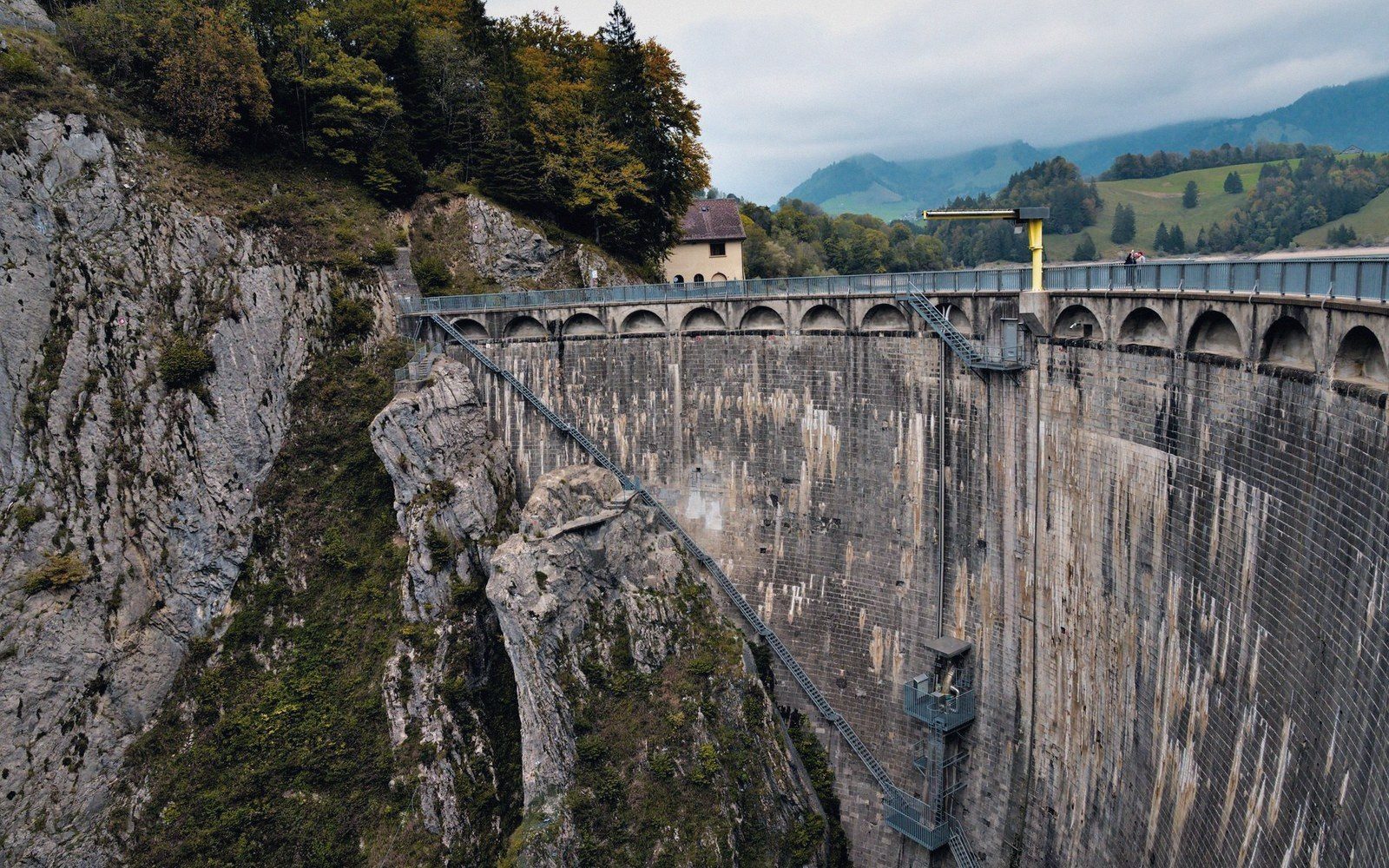
A Century of Alpine Storage
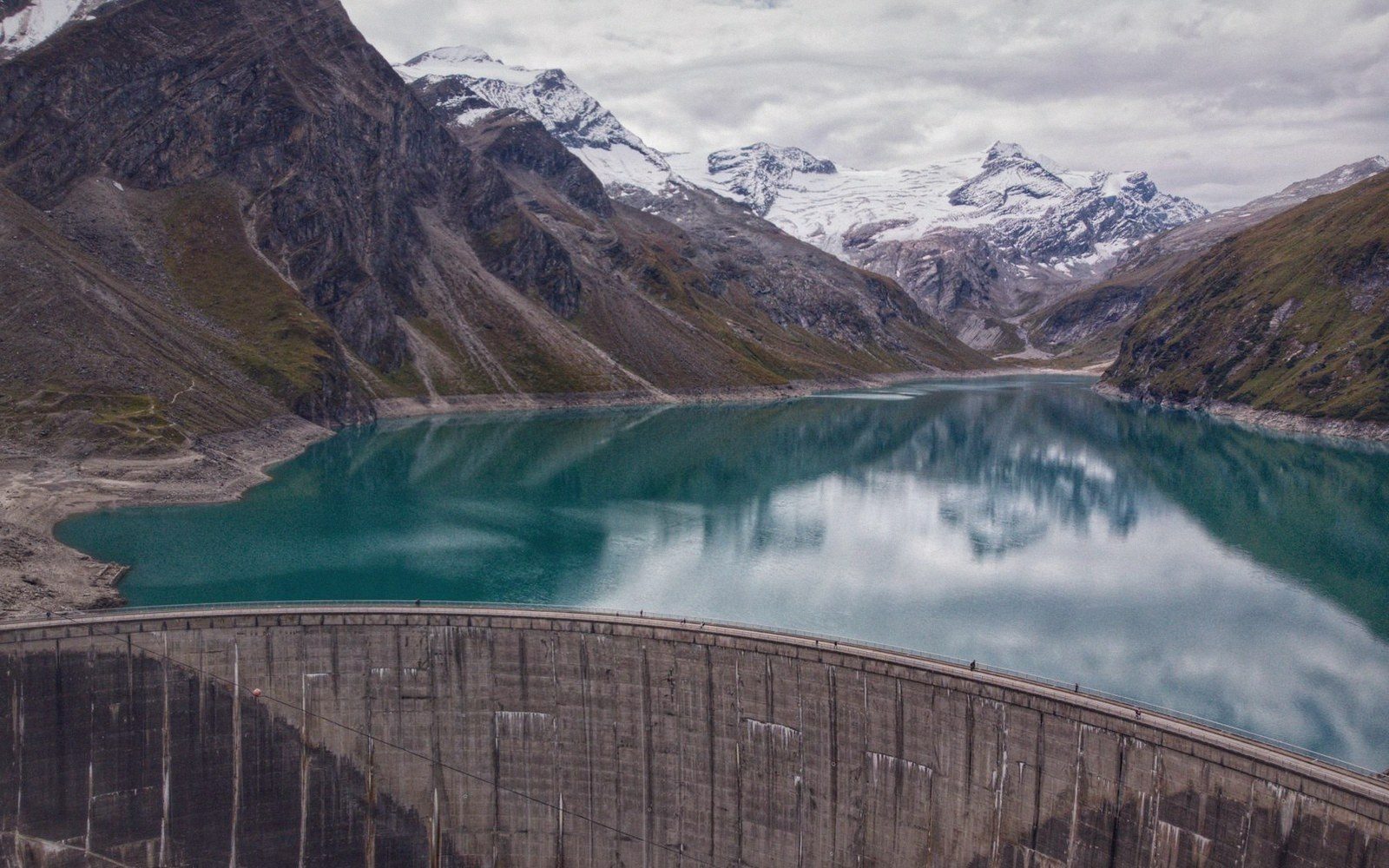
Italy's hydro predates almost everything else on the system. The reservoirs, the penstocks and the reason mountain geography made early electrification possible at all.
-
Pumped Storage Is the Grid's Only Real Battery
Water pumped uphill when power is cheap and released when it is dear. The round-trip efficiency, the scale, and why this is the largest storage Italy actually has.
-
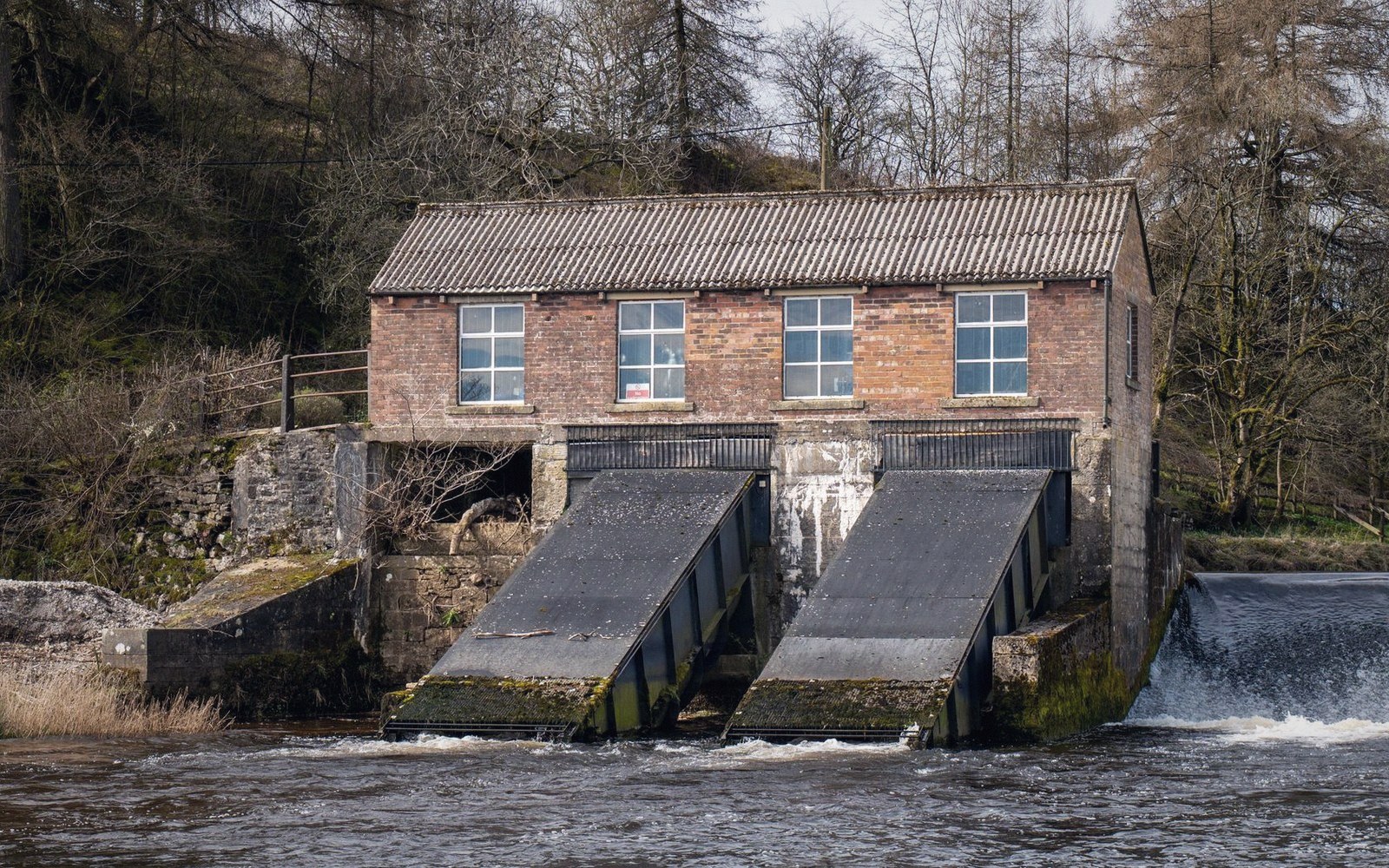
Run-of-River, and Why It Is Not Storage
The distinction that decides what a plant can do for the grid: generating when the river allows versus generating when the system asks.
-
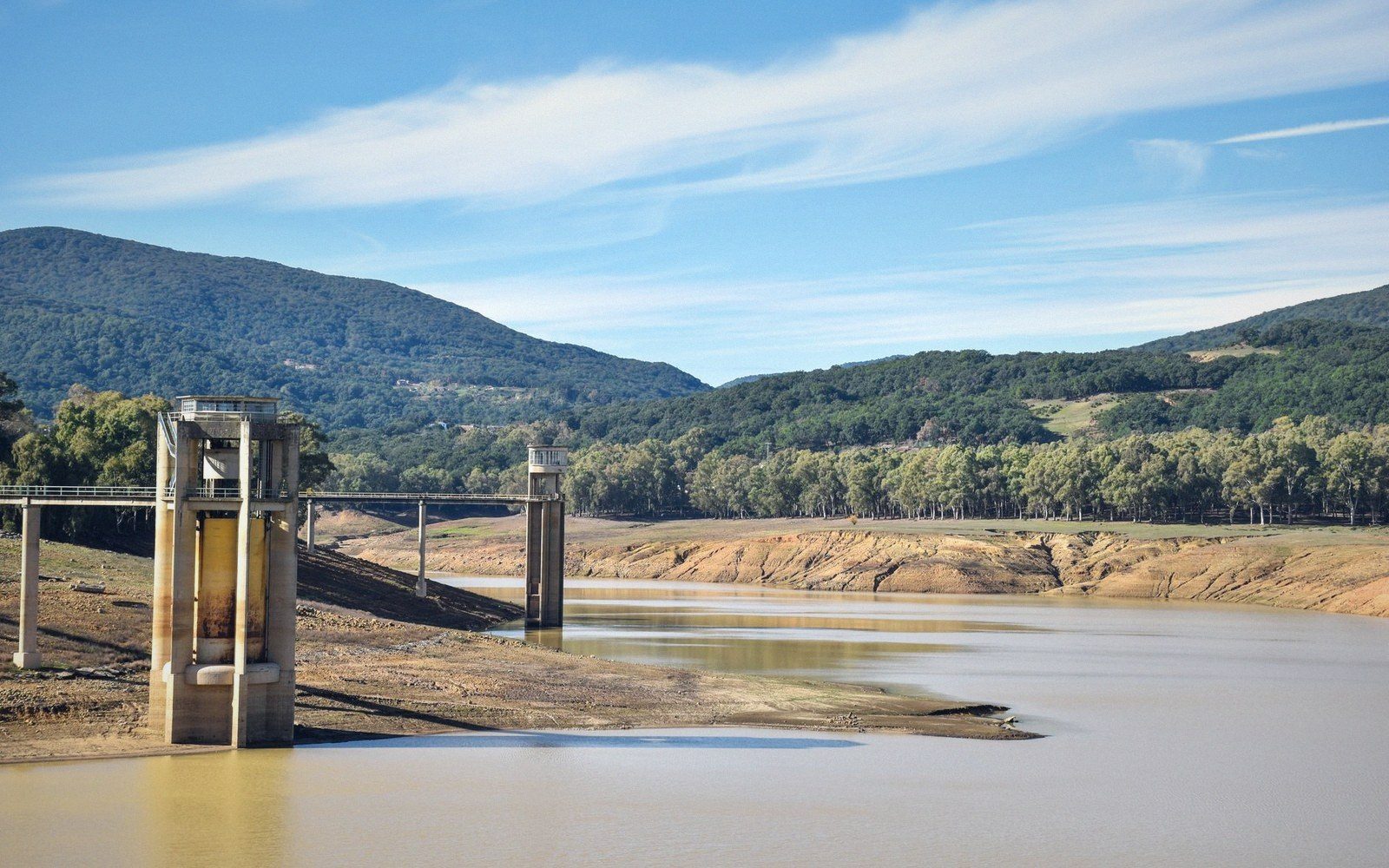
What a Dry Year Does
Hydro output tracks rainfall, and a dry year removes a large block of generation. How the rest of the system covers it.
Wind & Solar
The south, the ridges, and what intermittent means.
-
The South Carries the Sun
Solar capacity concentrated where the irradiance is, and a demand centre several hundred kilometres north. The geographic mismatch that shapes the whole network question.
-
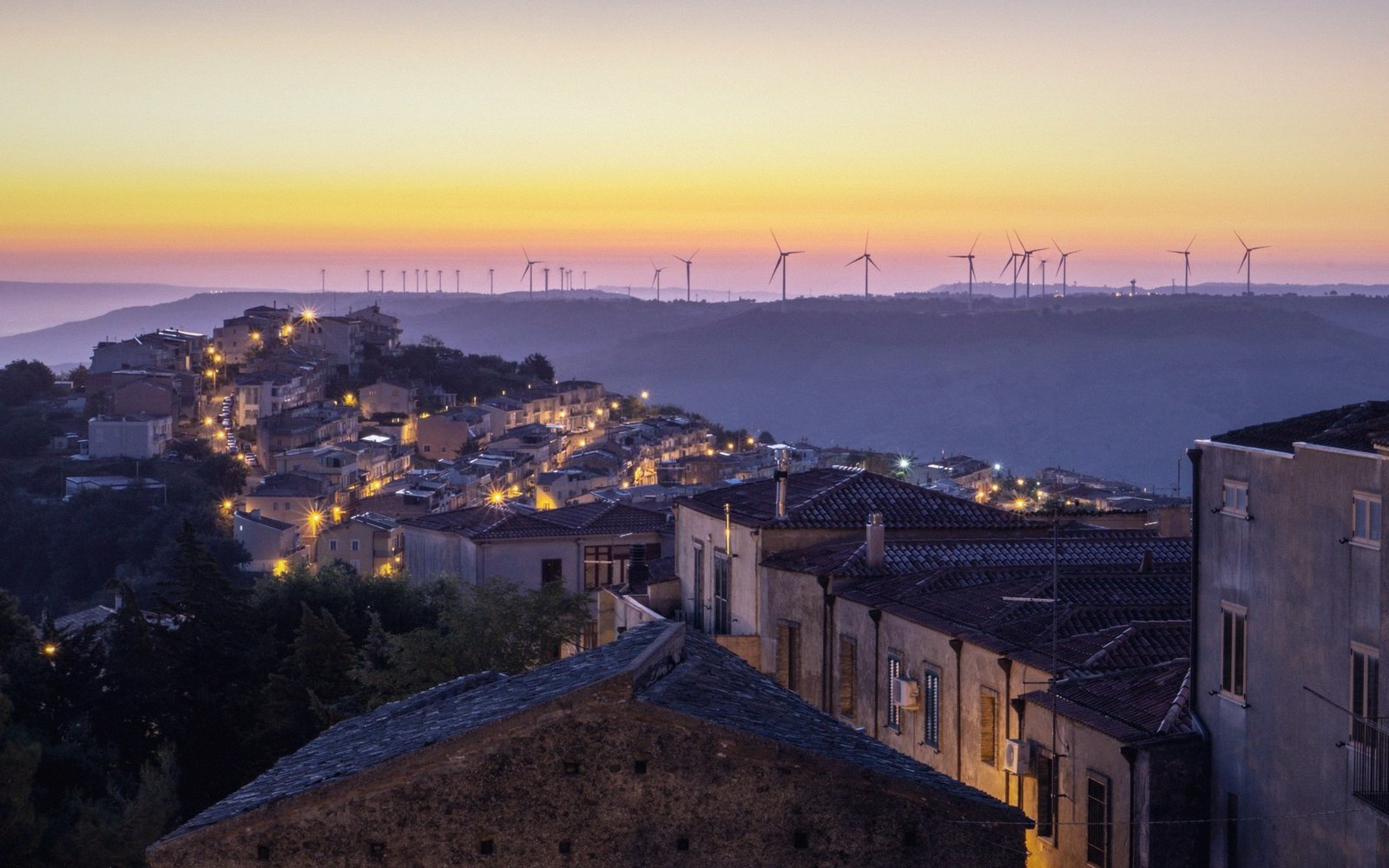
Wind Lives on the Ridges
Where Italian wind is sited and why — terrain, access and grid connection — and what capacity factor actually means for a ridge site.
-
Intermittent Is Not the Same as Unreliable
The distinction the argument usually collapses: forecastable variation against unplanned outage. What each demands of the rest of the system.
-
The Evening Is the Hard Part
Solar output ends before demand does. What covers the ramp, and why storage and gas are answering the same question.
-
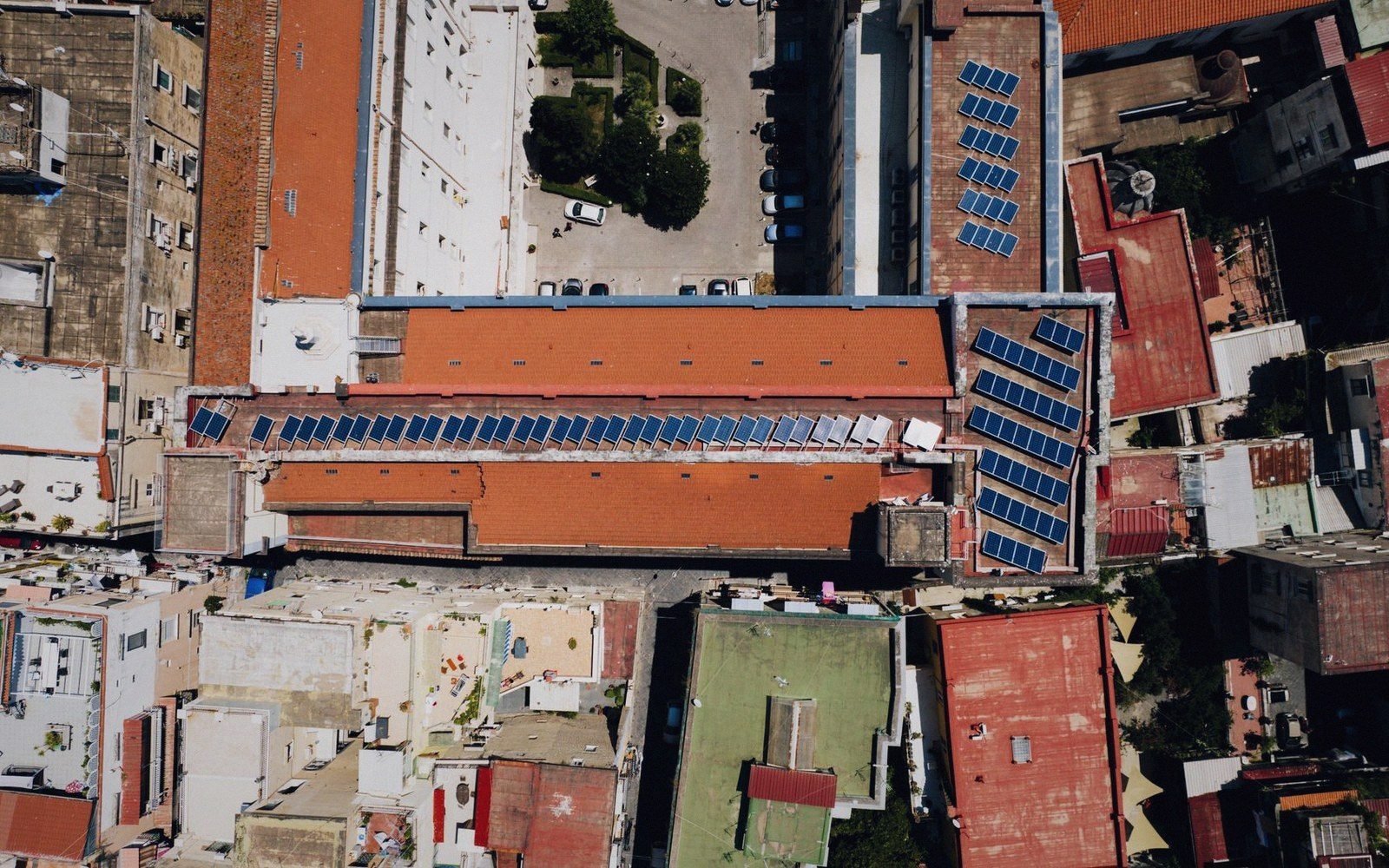
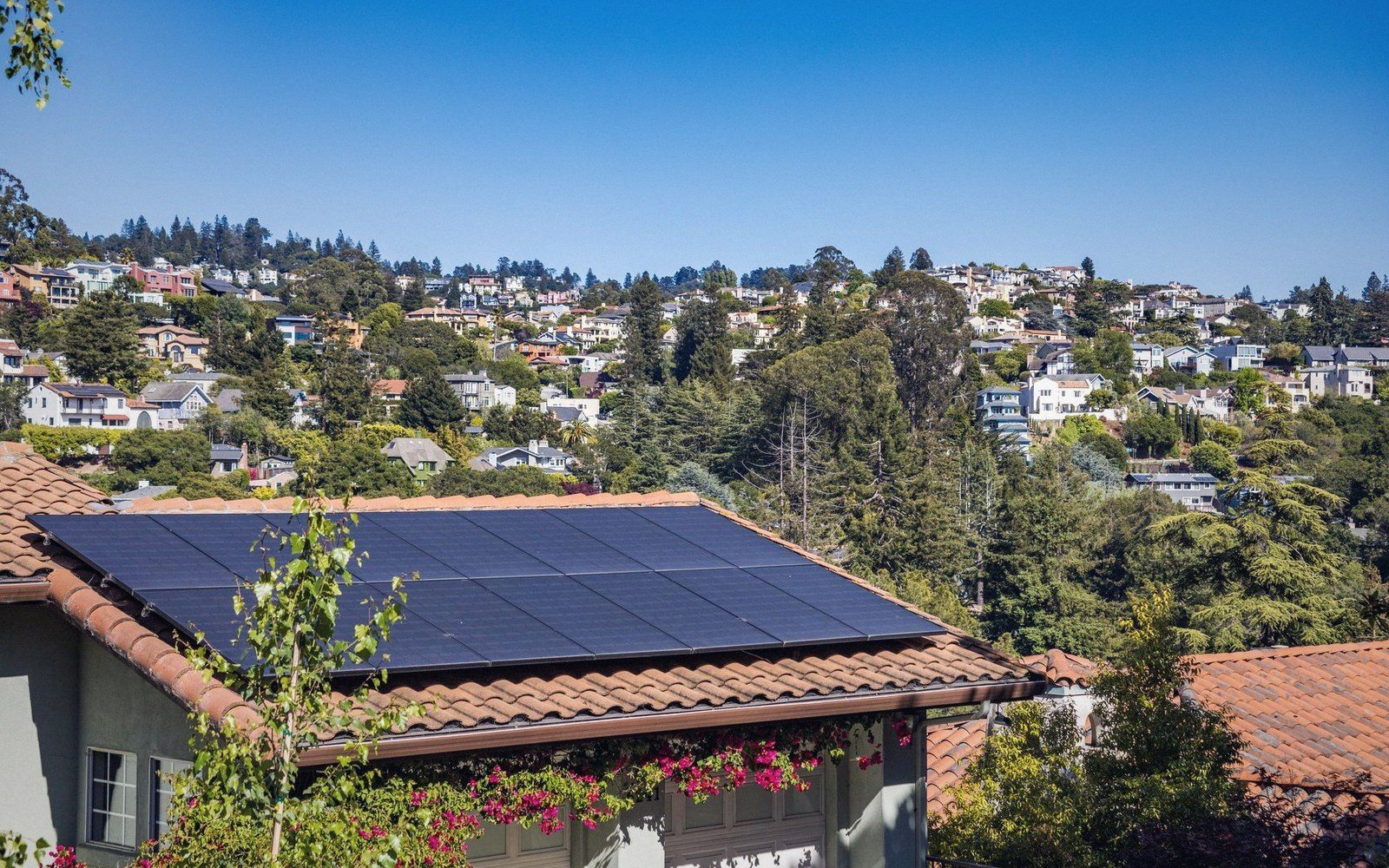
Rooftop Against Field
Distributed generation versus utility scale — different economics, different grid consequences, different land arguments.
Gas & Coal
What runs at four in the morning, and what is closing.
-
Four in the Morning
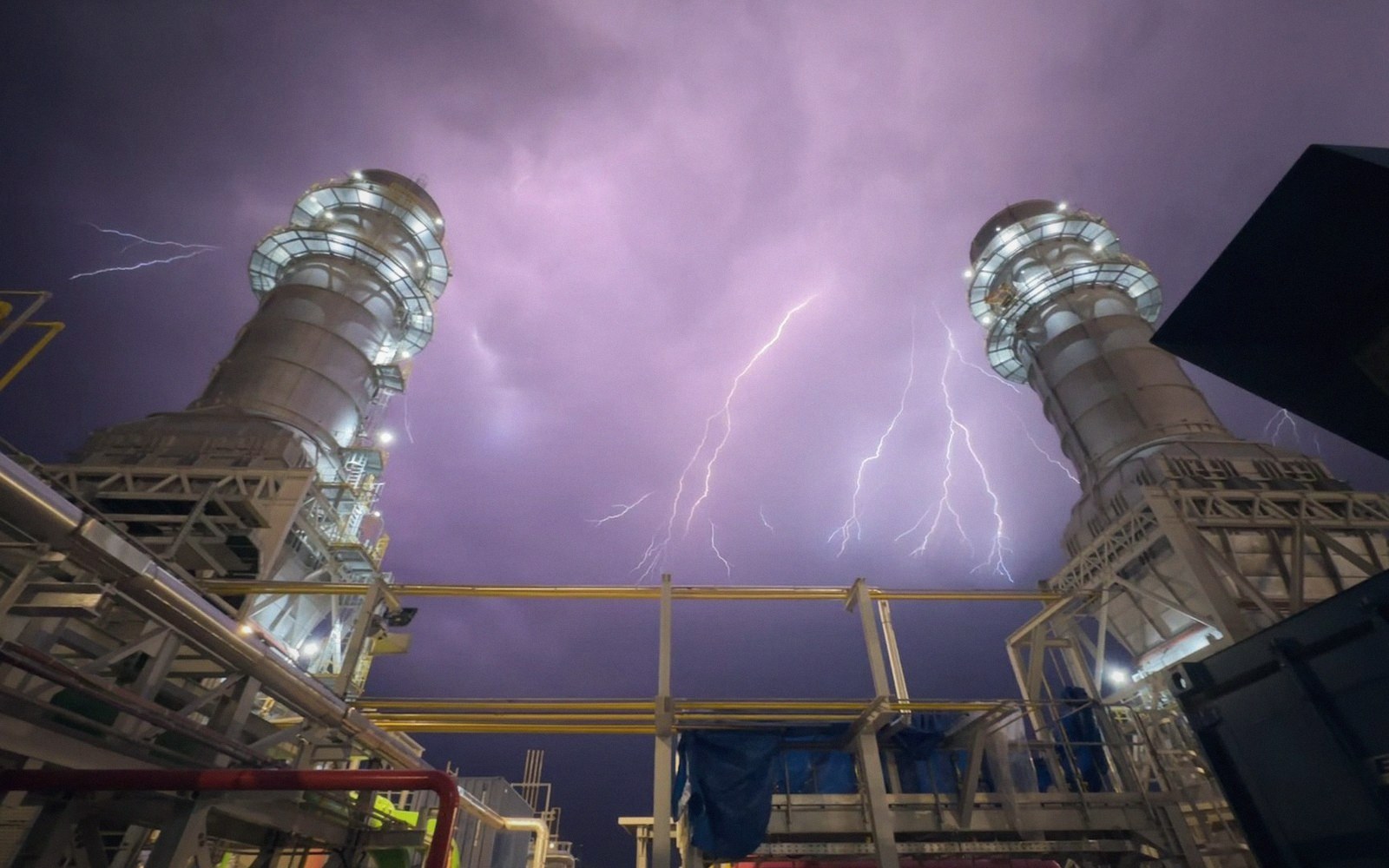
The hour that tests a grid: no sun, low wind, low demand but not zero. What is actually running, and why that answer is the honest measure of a transition.
-
Phasing Out the Coal Stations
The closure programme described factually — which stations, what replaced them, and what a converted or demolished site becomes.
-
Gas Is the Swing
Combined-cycle plant as the thing that follows demand. Ramp rates, part-load efficiency and why flexibility has a cost of its own.
-
Capacity Is Not Energy
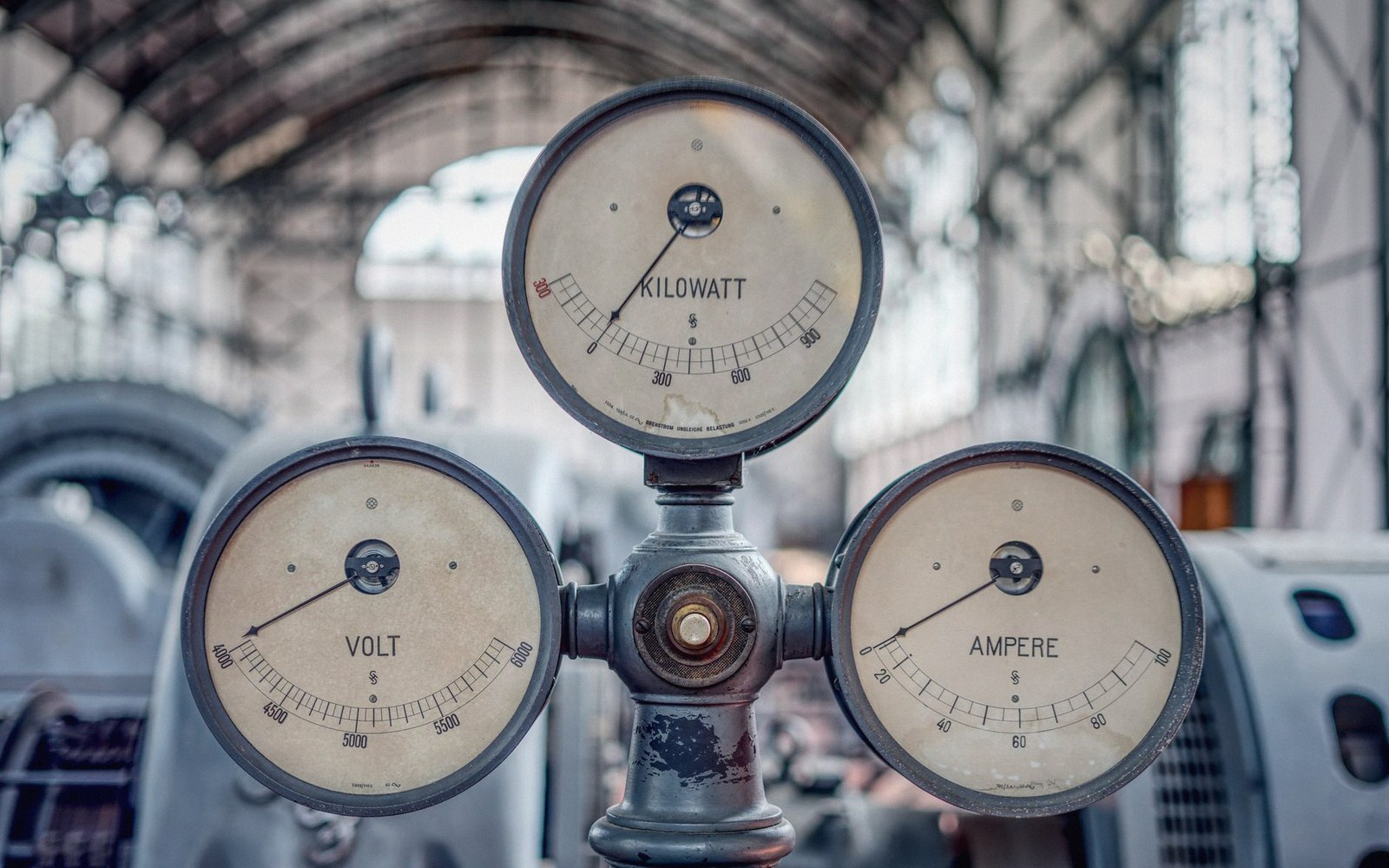
The most common confusion in every energy argument: what a gigawatt of installed capacity does and does not tell you about kilowatt-hours delivered.
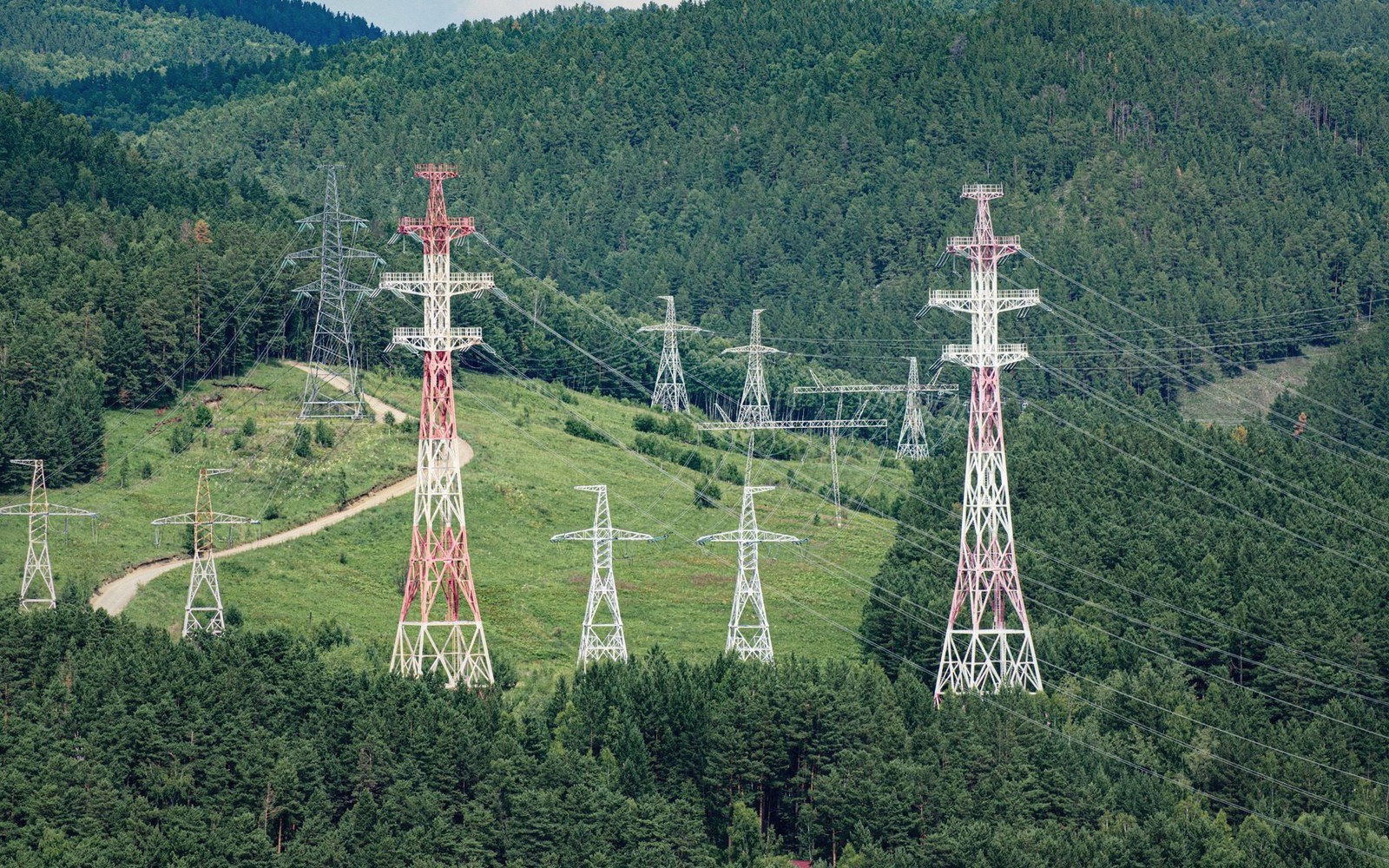
The Network
Imports, interconnectors and moving power north to south.
-
Moving Power North to South, and Back
Generation in the south, demand in the north, and a network that has to carry it. Constraint, congestion and why building a line takes longer than building a plant.
-
The Interconnectors
Italy imports electricity across the Alps. How much, from where, and what that dependency means when prices move.
-
What the System Operator Is Doing All Day
Balancing supply and demand second by second: frequency, reserve and dispatch, explained as a job rather than an abstraction.
-
Sicily and Sardinia: Grids at the End of a Wire
Island systems with their own constraints and their own cables to the mainland — the clearest illustration of what a network is for.