Two Models, One Electron
A rooftop panel and a utility-scale solar field generate the same commodity — alternating current at the right frequency, fed into the grid — but they arrive there by completely different routes, at different costs, and with different consequences for the network that carries them.
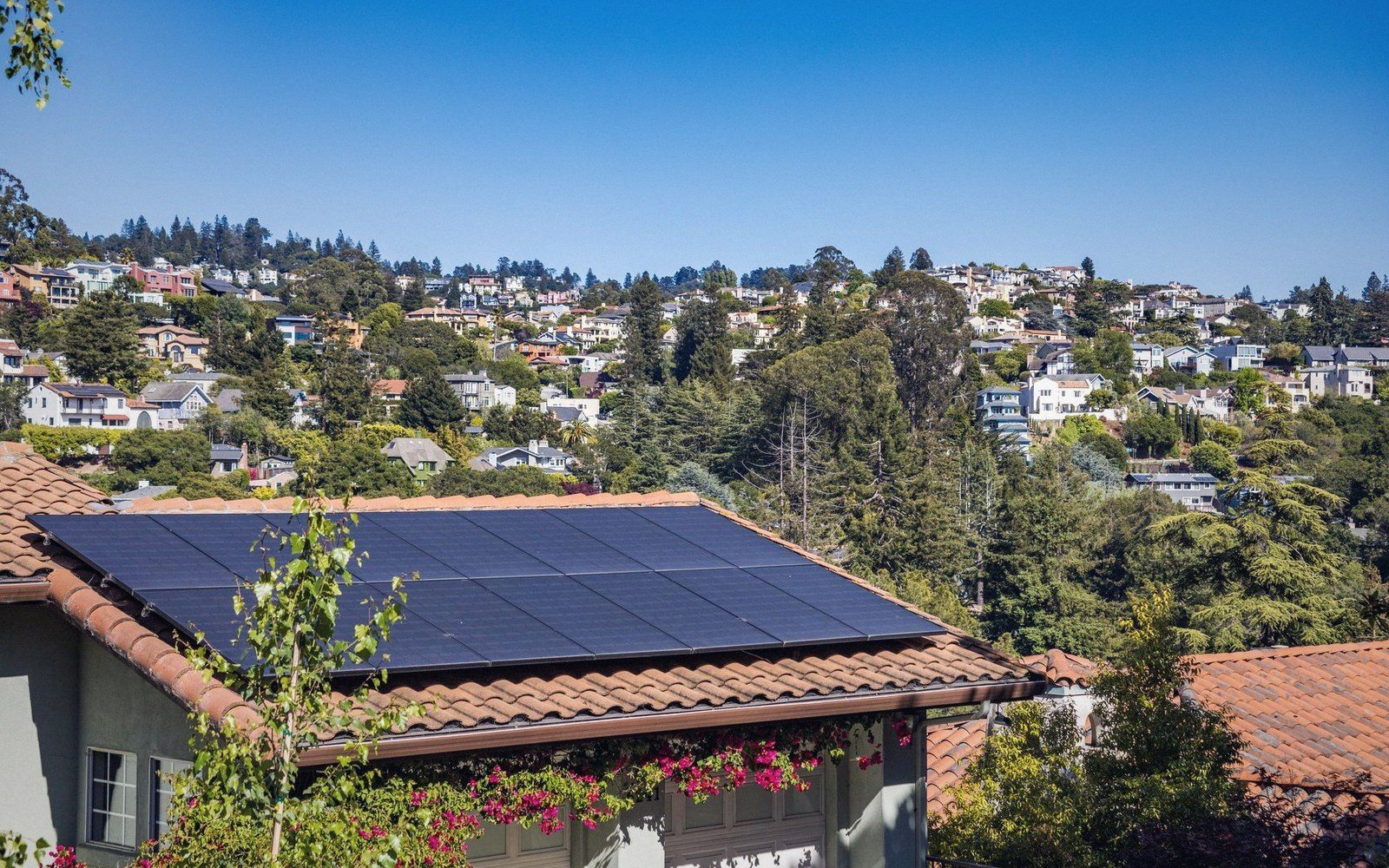
Distributed generation, the rooftop model, puts capacity close to where electricity is consumed. A 6 kW system on a farmhouse in Umbria, a 40 kW array on a factory roof in Lombardy: each reduces the net draw that household or business makes from the grid, and in doing so quietly suppresses demand at the local level. Because less power has to travel from distant generators, distribution losses fall. The grid infrastructure in that neighbourhood carries slightly less load. None of this shows up dramatically on any single meter, but aggregated across hundreds of thousands of installations, it is genuinely meaningful.
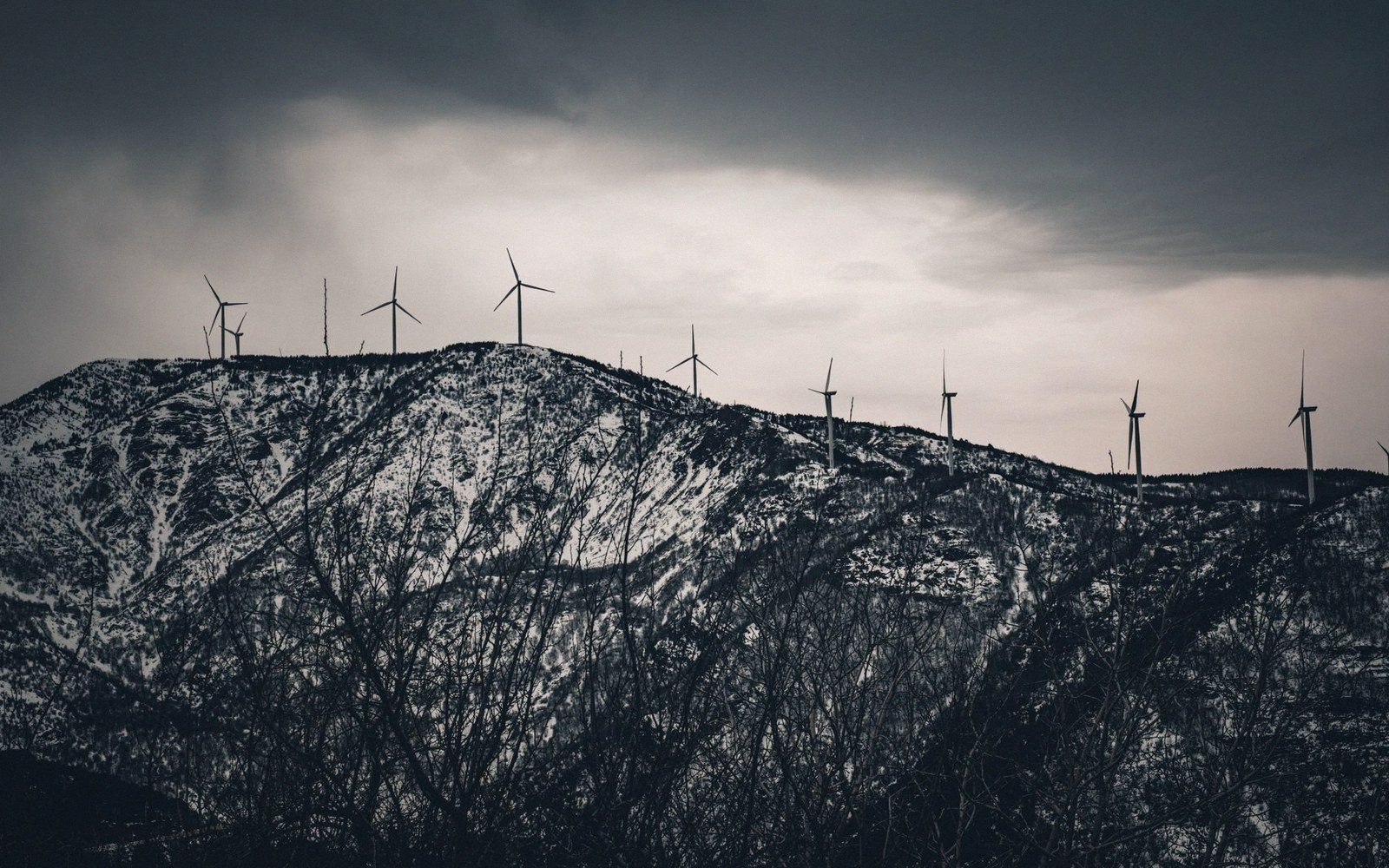
Utility-scale projects work on a different logic entirely. A 150 MW solar park in Foggia, or a wind cluster across the ridges of Basilicata, produces power that has to travel — often hundreds of kilometres north to where Italian demand is concentrated. Moving Power North to South, and Back is not a solved problem: congestion on transmission corridors routinely constrains what actually flows, and a large southern generator can find itself curtailed not because demand is absent but because the wires cannot carry what it produces.
The Economics Do Not Run in Parallel
Cost per megawatt-hour strongly favours the utility scale. A large developer buys panels and inverters in volume, uses purpose-built mounting systems, and runs the entire site with a small operations team. The capital cost per unit of installed capacity is substantially lower than on a residential roof, and the capacity factor — the fraction of rated output actually delivered over a year — is usually higher because sites are chosen for irradiance and the arrays can be optimally tilted and oriented without a building constraining them.
The numbers that frame the argument
Rooftop solar pays for itself differently. The relevant comparison is not the wholesale electricity price but the retail tariff the building would otherwise pay. In Italy, where retail tariffs carry network charges, taxes and various system-cost components that wholesale prices do not, a kilowatt-hour consumed from one's own roof is worth considerably more than one sold to the grid. This is why small-scale solar has spread across northern Italy — where irradiance is only moderate by Mediterranean standards — as readily as it has across the south. The economics are driven by avoidance of a high retail price, not by sunshine alone.
This distinction matters for how public policy is designed. Feed-in support for rooftop systems has historically compensated for the higher installation cost and the lower wholesale value of exported power. Utility-scale projects compete more directly with other generation at the wholesale level, which is why the largest Italian solar and wind farms now typically operate under competitive auction mechanisms — the Aste, held by the Gestore dei Servizi Energetici (GSE) — rather than the earlier fixed-tariff Conto Energia schemes that first drove residential uptake.
Land, Landscape and the Local Argument
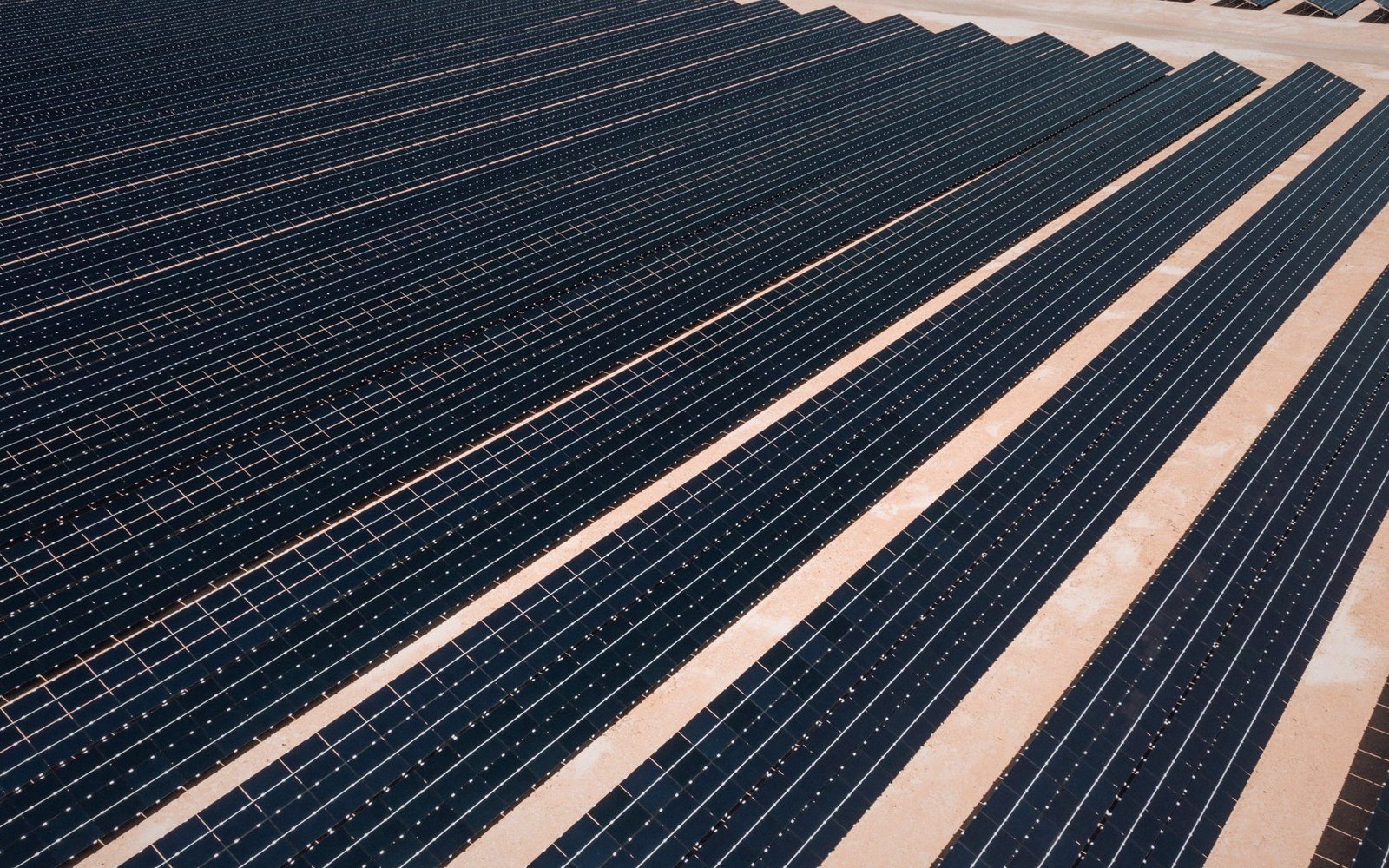
The land question is where the political temperature rises. A utility-scale solar park in Puglia or Sardinia requires terrain measured in hectares: agricultural land is repurposed, visual horizons change, and local communities are asked to host an industrial installation whose output feeds distant cities. The Italian permitting process — notoriously slow under the previous Autorizzazione Unica framework, somewhat reformed since — has become a contested space where regional governments, landowners, heritage bodies and developers argue about what constitutes acceptable use of landscape. Sardinia, in particular, declared a temporary moratorium on large renewable projects in 2024 while working out spatial planning rules, a politically charged pause that delayed several gigawatts of projects.
Rooftop solar carries almost none of this friction. It sits on structures that already exist, uses no additional land, and provokes no landscape objection. Agrivoltaico — the practice of combining raised solar panels with crop cultivation or grazing beneath — has attracted serious interest as a way of extracting utility-scale generation from agricultural land without entirely foreclosing its agricultural use, though it adds complexity and cost.
Distributed generation, the rooftop model, puts capacity close to where electricity is consumed.
Neither model alone can do what Italy's energy transition requires. Rooftop and community-scale generation can meaningfully reduce net demand in residential and commercial buildings, ease pressure on distribution networks, and build a diffuse resilience into the system. But decarbonising industrial consumption, displacing the gas that still runs much of the overnight and shoulder-period grid, and replacing the coal stations that have closed — that scale of replacement demands large generation plant, transmission investment, and storage. The two models are not rivals so much as they are differently suited to different problems. The tension in Italian energy policy is less about which approach is correct and more about who bears the cost, who absorbs the landscape impact, and who captures the value — questions the grid itself cannot answer.