The Problem Reinjection Solves
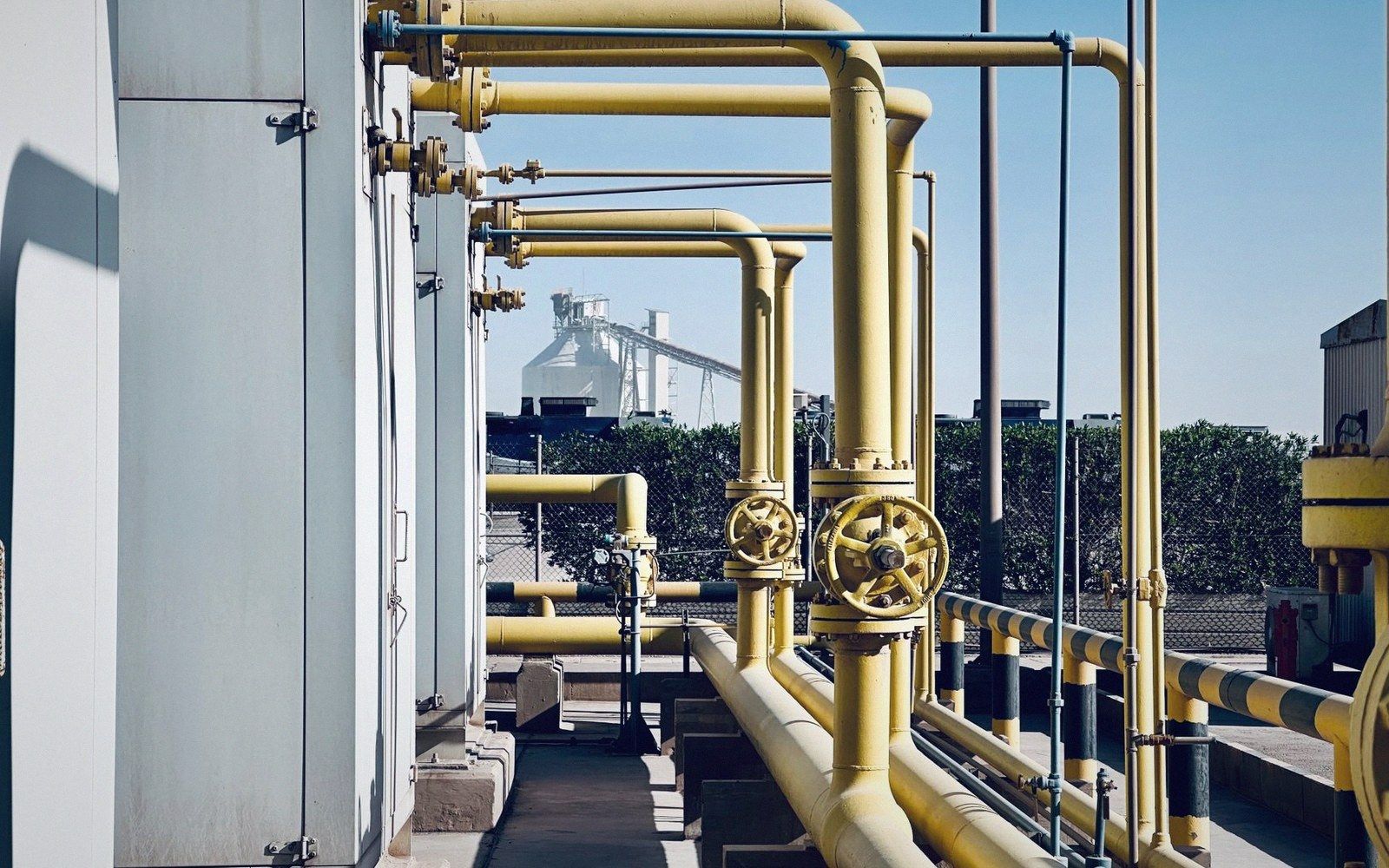
Geothermal electricity is generated by steam. That steam comes from deep in the earth, heated by magmatic intrusion and stored in fractured rock at high pressure. At Larderello and the surrounding Tuscan fields, the fluid arrives at surface wellheads — some wells going well beyond a kilometre — as dry steam, which is unusually clean by geothermal standards: no liquid water to separate before the turbine. The steam drives the turbine, exits as condensate, and then faces a choice. You can reject it — cooling it and releasing the water into rivers or the atmosphere. Or you can reinject it: pump it back underground through dedicated injection wells and let the reservoir absorb it.
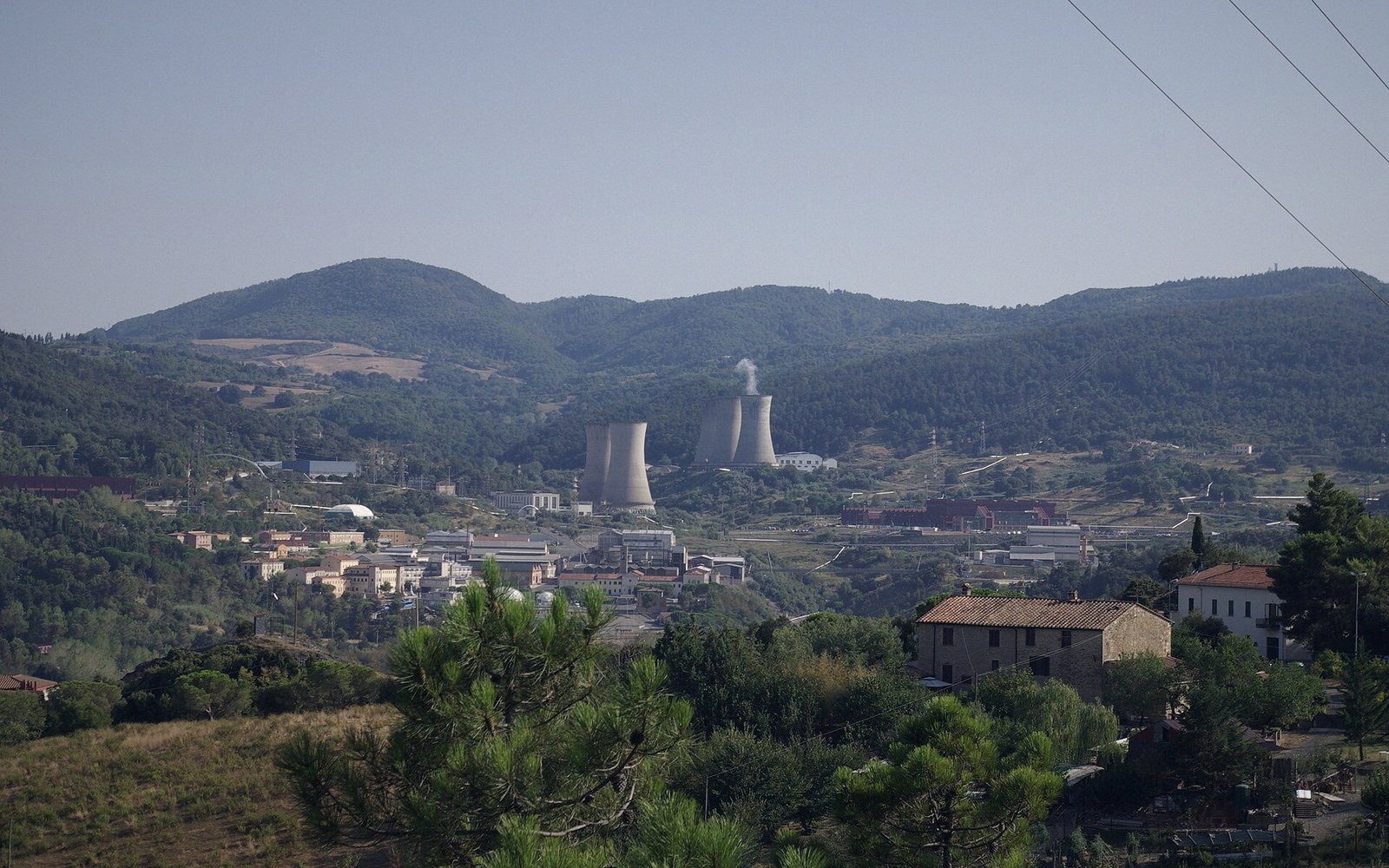
For most of the twentieth century, Larderello did not reinject. It rejected. Condensate went to cooling towers, vapour drifted off, and the reservoir slowly lost fluid mass. By the 1980s, reservoir pressure at Larderello was measurably declining. That is not a crisis in the way a gas well blowout is a crisis — the field did not fail overnight — but the trend was clear enough that Enel, which operates the Tuscan geothermal fields, began a systematic reinjection programme. Today, roughly 80 percent of the condensate recovered at Larderello is pumped back underground. Production has since stabilised, and in some parts of the field it has recovered.
What Goes Back, and Where
The condensate at Larderello is not pure water. It carries traces of carbon dioxide, hydrogen sulphide and other non-condensable gases — compounds that have to be handled at the surface anyway to meet emissions limits. The liquid fraction, once cleaned, is what gets reinjected. It is cooler and under lower pressure than the reservoir fluid, so it needs to be pumped against the formation pressure. That costs electricity: roughly a few percent of gross output at a modern field, a real but acceptable parasitic load.
Where the injection well is sited matters enormously. Too close to a production well and you risk short-circuiting the system: cold water arrives at the production zone before the rock has had time to reheat it, and you cool your own steam. Larderello's geology is complex — permeable caprock, fractured granite beneath, multiple reservoir horizons — and understanding the fluid pathways took decades of monitoring. The modern approach involves tracking the thermal front with downhole sensors and adjusting injection volumes and locations as the field evolves. This is active reservoir management, not a one-time engineering fix.
The goal is a rough mass balance: put back approximately what you take out, so that pore pressure in the reservoir is maintained. You cannot perfectly replace the geothermal heat — that comes from the earth and has its own much longer timescale — but you can preserve the carrier fluid that delivers it. A depleted reservoir still has heat; without fluid to transport that heat to the surface, the heat is unreachable. Reinjection keeps the pipeline open.
The Induced-Seismicity Question
No article about reinjection in a geothermal context can honestly sidestep this. Pumping fluid underground at pressure can affect stress on existing faults. It is the same mechanism that raised serious concerns at several enhanced geothermal systems elsewhere in Europe — particularly the Basel project in Switzerland, which was shut down in 2009 after injection triggered seismic events felt at the surface.
Larderello is a different situation, in important physical respects. The Tuscan fields sit in a region that is seismically active regardless of any industrial activity — the geology that makes the geothermal resource possible is the same extensional tectonics that produces background seismicity. Attributing any individual event to reinjection rather than to natural causes requires careful, long-term seismic monitoring. Enel and Italian national geological services do carry out this monitoring; the seismic network around the Tuscan fields is dense by the standards of Italian geothermal. The consensus from that monitoring, published in scientific literature over several decades, is that reinjection at Larderello has not triggered significant felt seismicity. Microseismic events — below the threshold of human perception — do occur, as they do around most fluid-injection operations, but these have remained small.
That does not mean the risk is zero in principle. It means that at Larderello, with its specific geology, injection volumes and operating protocols, the risk has remained within acceptable bounds across more than forty years of monitored reinjection. Any expansion of the Tuscan fields, or application of the same principle at new Italian geothermal sites, would need site-specific assessment rather than a simple transfer of Larderello's record.
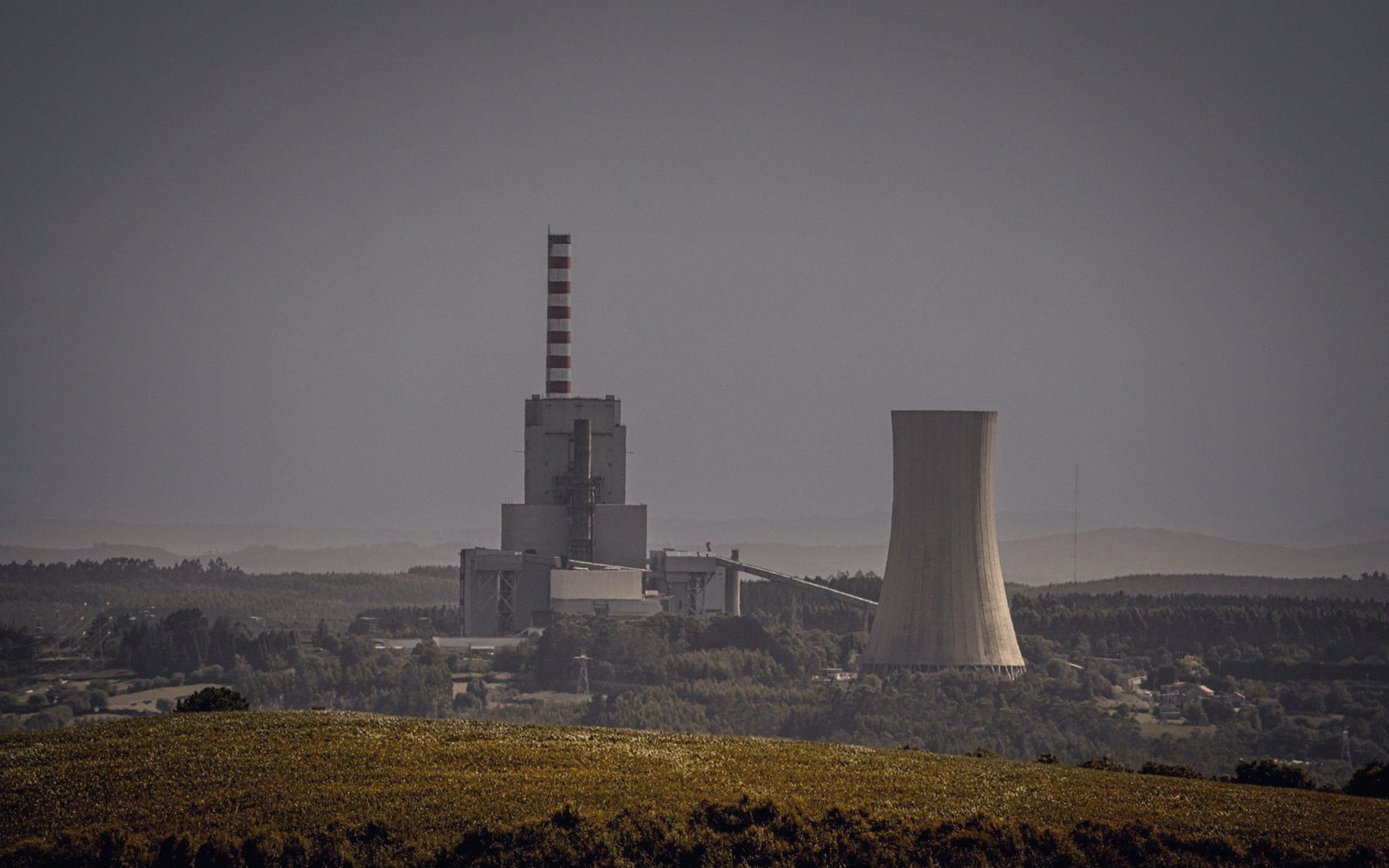
Condensate went to cooling towers, vapour drifted off, and the reservoir slowly lost fluid mass.
Why It Matters Beyond Tuscany
Italy's geothermal output is baseload — it runs continuously, unaffected by season or weather, which gives it a particular value on a grid increasingly shaped by intermittent solar and wind. That reliability rests on reservoir management, and reservoir management rests on reinjection. The field does not run out not because the resource is infinite but because the operating approach has learned to treat it as a system rather than a deposit. Heat is extracted; fluid is returned. The rock beneath the Colline Metallifere — the Metalliferous Hills of southern Tuscany — has been doing this, in various forms, for over a century, and it is still producing.
Chronology
- 1904electricity first generated at Larderello
- Pre-1980scondensate largely rejected, not reinjected; reservoir pressure slowly declining
- 1980s onwardsystematic reinjection programme begins under Enel
- 2009Basel EGS project shut down in Switzerland; establishes the stakes of induced seismicity in geothermal operations
- Presentroughly 80 percent reinjection rate; reservoir production stabilised