What the water actually decides
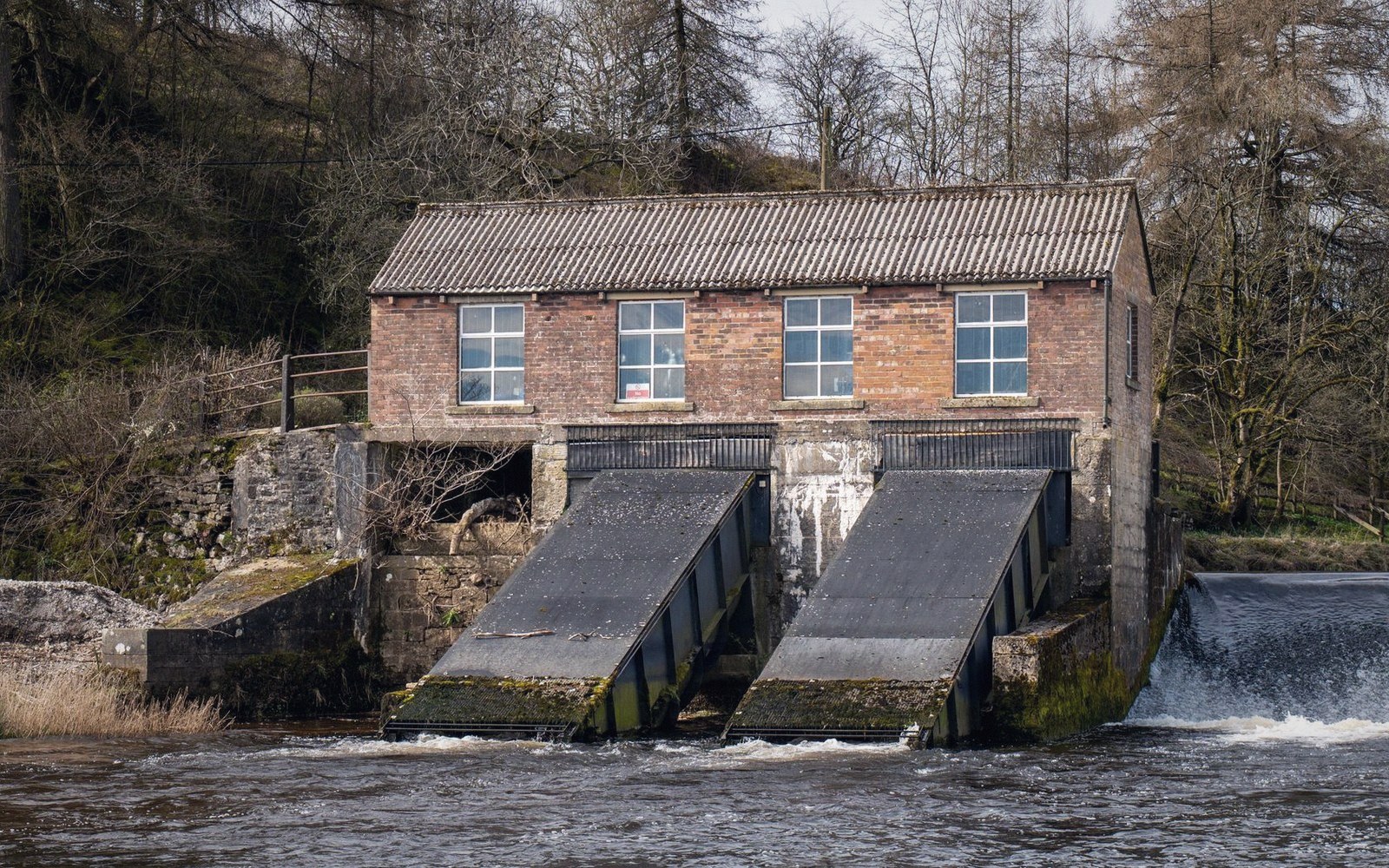
A run-of-river plant sits across a river and passes the flow through a turbine. There is no large reservoir behind a dam, no meaningful ability to hold water back and release it later. If the river is running at 80 cubic metres per second, that is roughly what the plant converts; if rainfall drops the flow to 20, output falls accordingly. The operator does not choose the generation window — the catchment does.
This sounds like a trivial distinction until you think about what a grid operator needs. Demand has a shape: it rises through the morning, peaks in the early evening, drops overnight. A storage hydro plant — one with a real reservoir behind it, measured in gigawatt-hours of potential energy — can hold water through the small hours and release it into the evening peak. It is, in that limited but genuine sense, a battery. Run-of-river cannot do this. Its output is largely determined by the river's natural rhythm, and the river does not care about the evening peak.
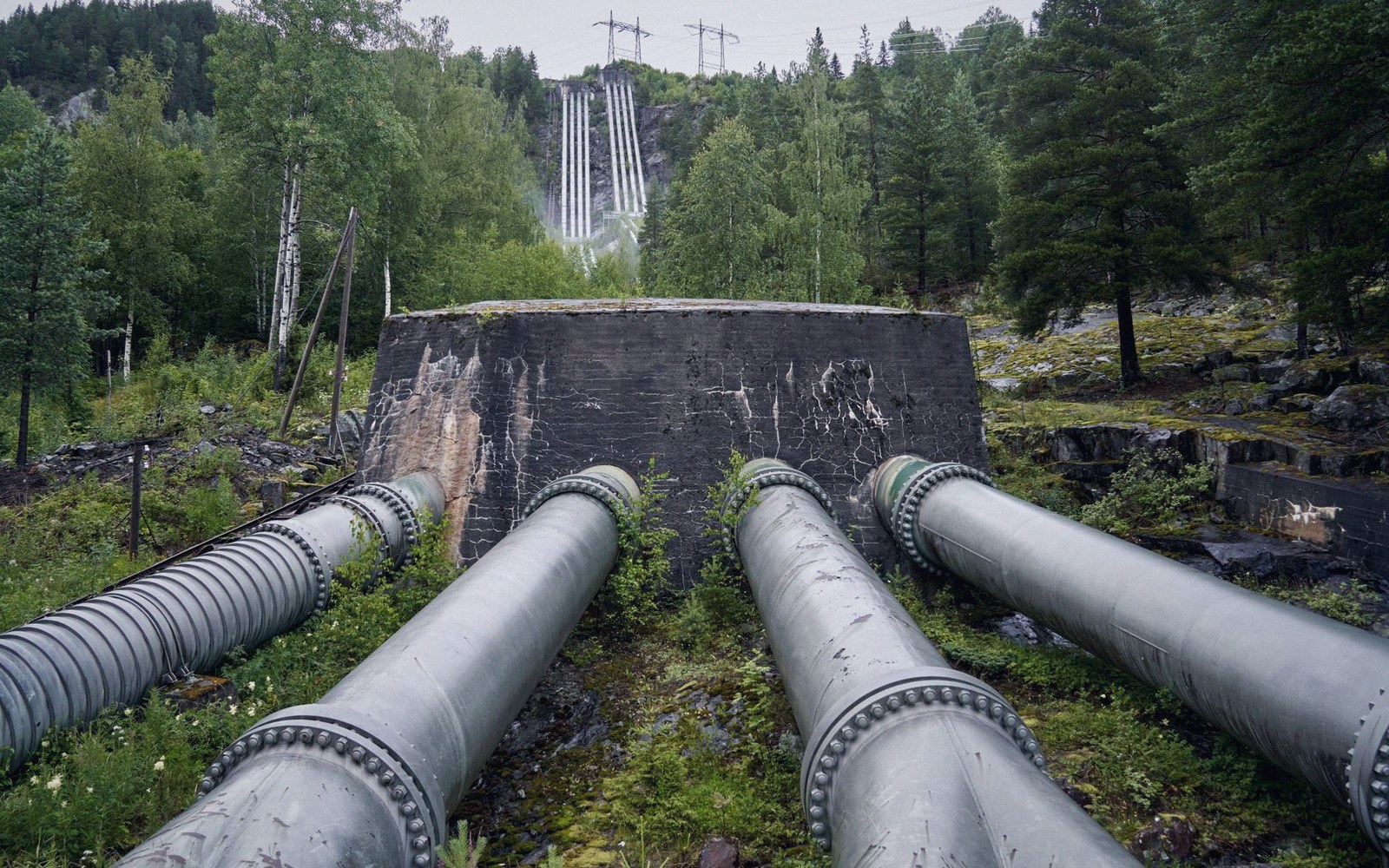
Italy's Alps and northern Apennines carry hundreds of run-of-river installations alongside the reservoir schemes. They are not trivial contributors — collectively they add a significant block of generation, particularly in the spring snowmelt period when Alpine rivers run full. But spring snowmelt is not the same as summer afternoon peak demand, and that mismatch is the central fact about what run-of-river can and cannot offer.
Why it still matters, within its limits
None of this makes run-of-river useless. It provides low-carbon, largely predictable output across many hours of the day throughout the wet season — and predictability, even if the timing is fixed, has real value. Terna, Italy's transmission system operator, can forecast river flow well enough, days ahead, to plan around run-of-river output rather than being surprised by it. The generation is not dispatchable, but it is forecastable, and that is not the same thing as unreliable.
There is also a small degree of short-term flexibility in some installations. A plant with even a modest intake pond — a few hours of storage at most — can shift output by a couple of hours, smoothing generation into a slightly better part of the day. Italian regulations on minimum ecological flow (the deflusso minimo vitale, the minimum water volume that must pass downstream to protect the river ecosystem) constrain even this, correctly, since a turbine that holds all the water back kills what lives below it. The result is that truly dispatchable run-of-river is an edge case; most of the fleet runs close to whatever the river provides.
What this means for the grid is that run-of-river output functions more like a variable renewable — something to be forecast, integrated and supplemented — than like a controllable power station. When the Alps run full, it reduces how much gas or imports Italy needs to call on. When a dry winter cuts the snowpack and the dryness extends into summer and autumn, that block of generation shrinks, and something else must cover it. A dry year does not just reduce reservoir levels; it reduces run-of-river output almost immediately, because there is no stored buffer to draw down first.
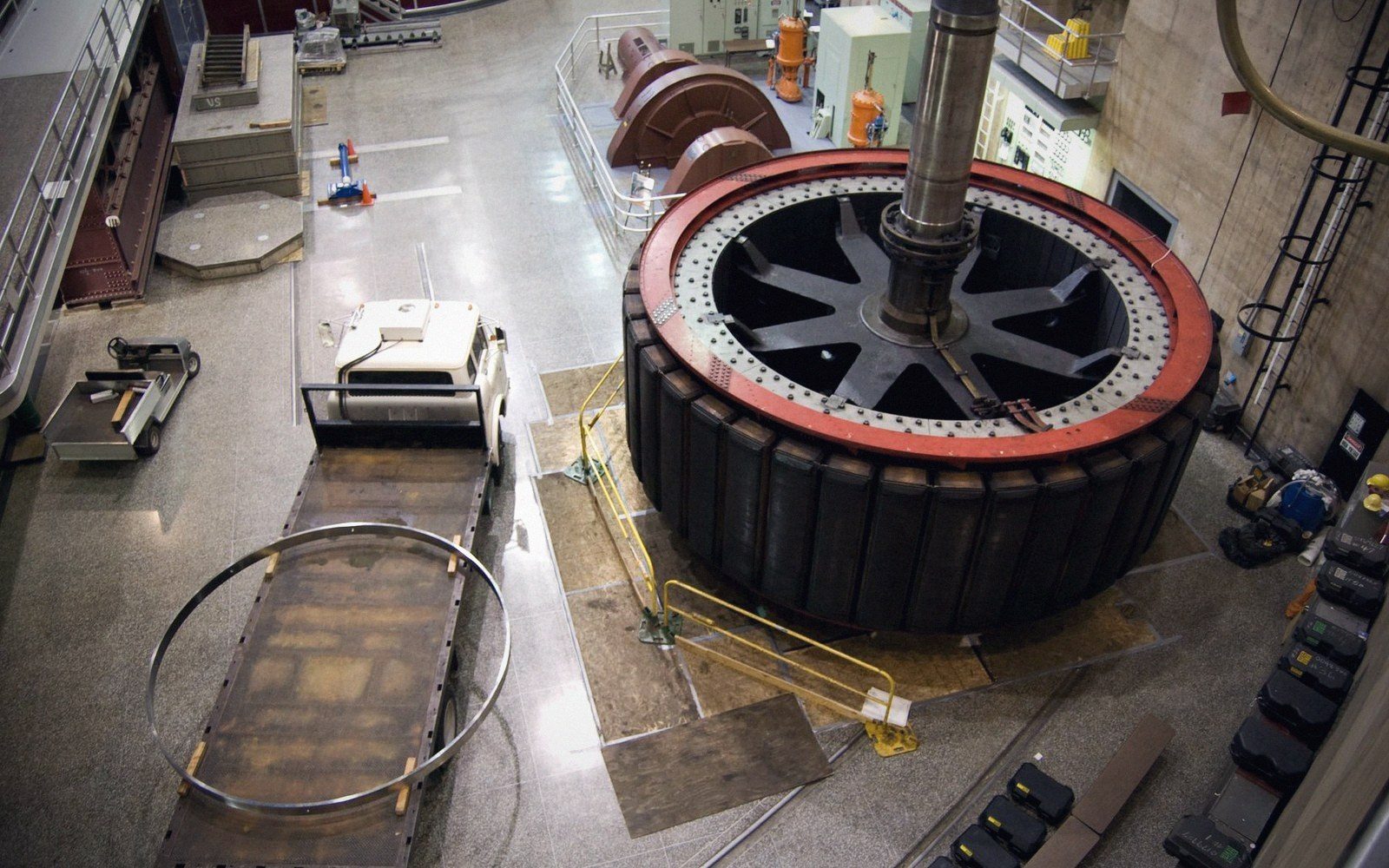
The distinction between a river and a reservoir is, in the end, a distinction between nature setting the schedule and the operator setting it. For a grid that needs to follow demand, that difference is decisive.