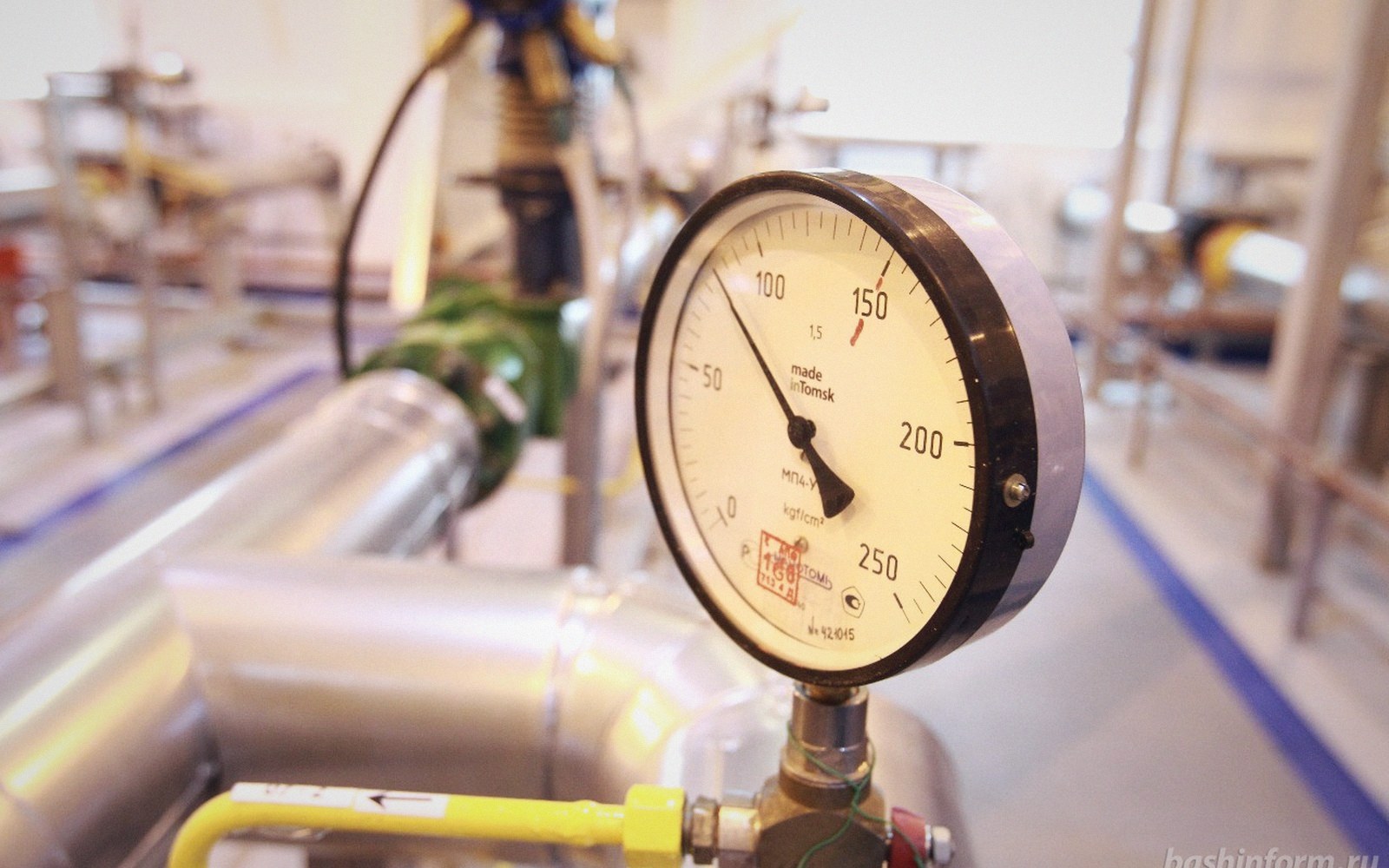
The Machine in the Middle
Italy's electricity demand does not stay still. It rises with the morning commute, peaks in the early evening, collapses after midnight. Solar and wind push generation up and down on a different schedule entirely. Something has to absorb the mismatch — not just generate, but throttle. In Italy, that something is predominantly combined-cycle gas turbine plant, CCGT for short.
A CCGT is two thermal machines in series. A gas turbine fires first, driving a generator; its exhaust, still hot enough to raise steam, feeds a heat-recovery boiler that runs a second, steam turbine. At full load a modern unit achieves electrical efficiency around 58–60 percent — high for a thermal plant. At part load, that efficiency falls. Run the machine at 50 percent output and you are burning more gas per kilowatt-hour than the nameplate figure implies. Flexibility, in other words, carries a fuel penalty.
Ramp Rates and What They Buy
The number that matters for grid balancing is not capacity but ramp rate — how many megawatts per minute the plant can add or shed. A large CCGT can typically ramp at somewhere between 10 and 30 MW per minute depending on design and operating state. Starting from cold takes longer still: a hot start after a brief shutdown might need 30–40 minutes to reach full output; a cold start from ambient can take several hours. This is why plant operators keep units in warm standby — idling at low load, burning fuel, ready to climb — even when the power would cost less to leave ungenerated.
Terna, the transmission system operator, procures this readiness through ancillary services markets: spinning reserve, fast reserve, replacement reserve. Gas plant wins these auctions because nothing else on the Italian system in comparable volume can respond as quickly. Pumped hydro can respond faster but the stored volume is finite. Open-cycle gas turbines — simpler, cheaper, less efficient — can start in minutes but burn roughly a third more gas per unit of output. The system holds both, using them for different windows of need.
What "Swing" Means in Practice
Picture a winter weekday. Pre-dawn demand is moderate; the overnight gas fleet is running at part load. Sunrise brings a slow demand rise and, in the south, the first solar generation. Gas output eases back. By mid-morning solar is covering a significant share; some CCGT units reduce further or shut down. Then the evening ramp begins — solar drops away, demand holds or climbs, and gas plant must recover lost megawatts inside an hour or two. The units that shut at noon now restart; the units on standby climb their ramp curves. The grid operator is orchestrating this in near real-time.
That orchestration is not free. Fuel burned in standby, wear from thermal cycling, starts that accelerate maintenance intervals — all of this is priced into what gas generators bid for their services. The market reflects a real physical cost: metal fatigues when it heats and cools repeatedly. A peaking unit that starts 300 times a year ages faster than a baseload unit running continuously. Flexibility is a service, not a side-effect.
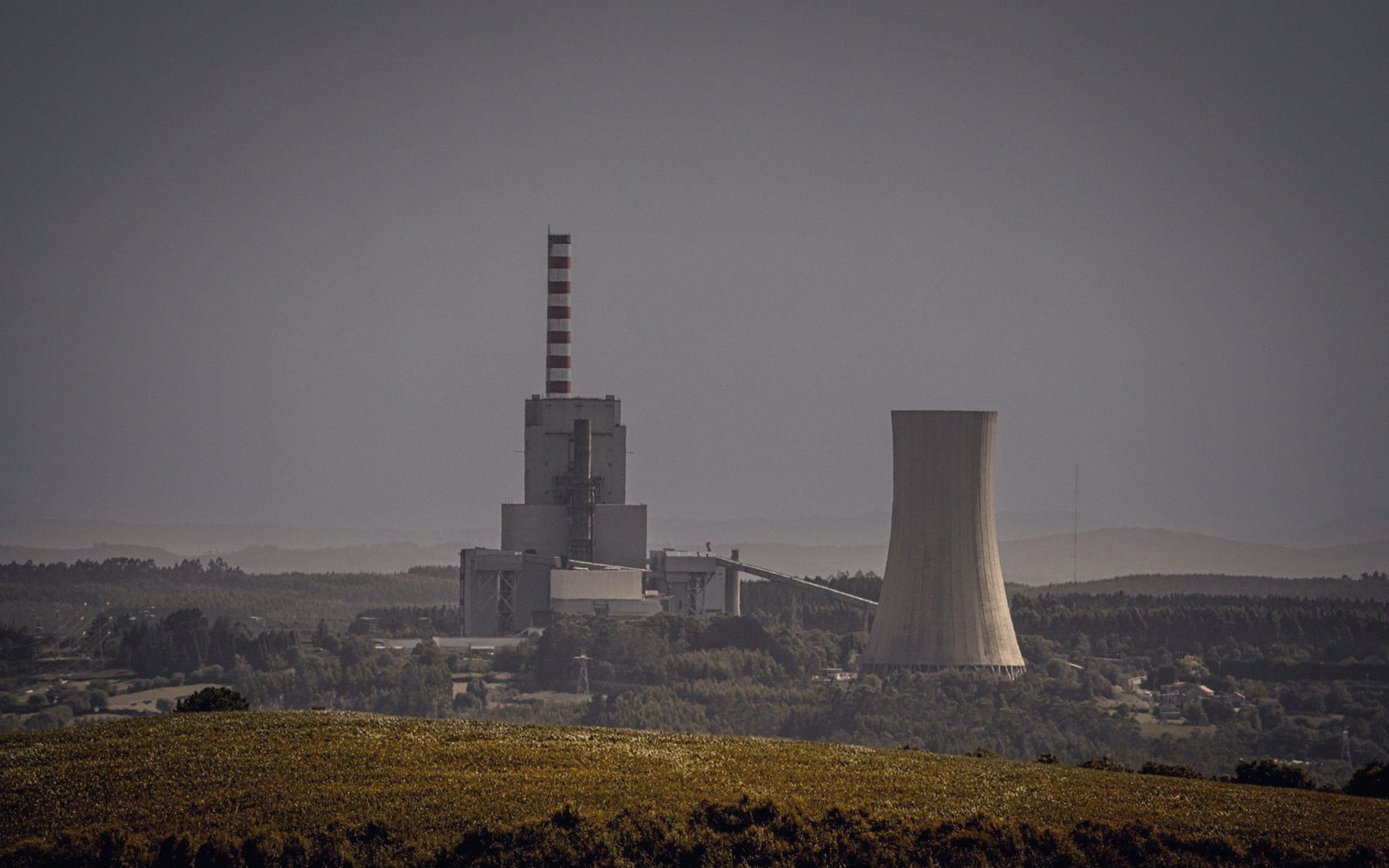
Italy's coal closures — the last large coal capacity at Civitavecchia left the system as the programme advanced — shifted yet more swing responsibility onto gas. The question the grid now carries is whether storage, demand response, and additional interconnection can gradually absorb the role that gas currently plays: not the cheapest generator, but the one that shows up precisely when everything else cannot.
Chronology of pressure on gas
- Coal closures at Civitavecchia and other stations progressively removed the only other large dispatchable thermal fleet
- Rapid solar build (especially post-2010) steepened the evening ramp gas must cover
- Growing pumped hydro and battery capacity beginning to share the swing role, but volumes remain limited