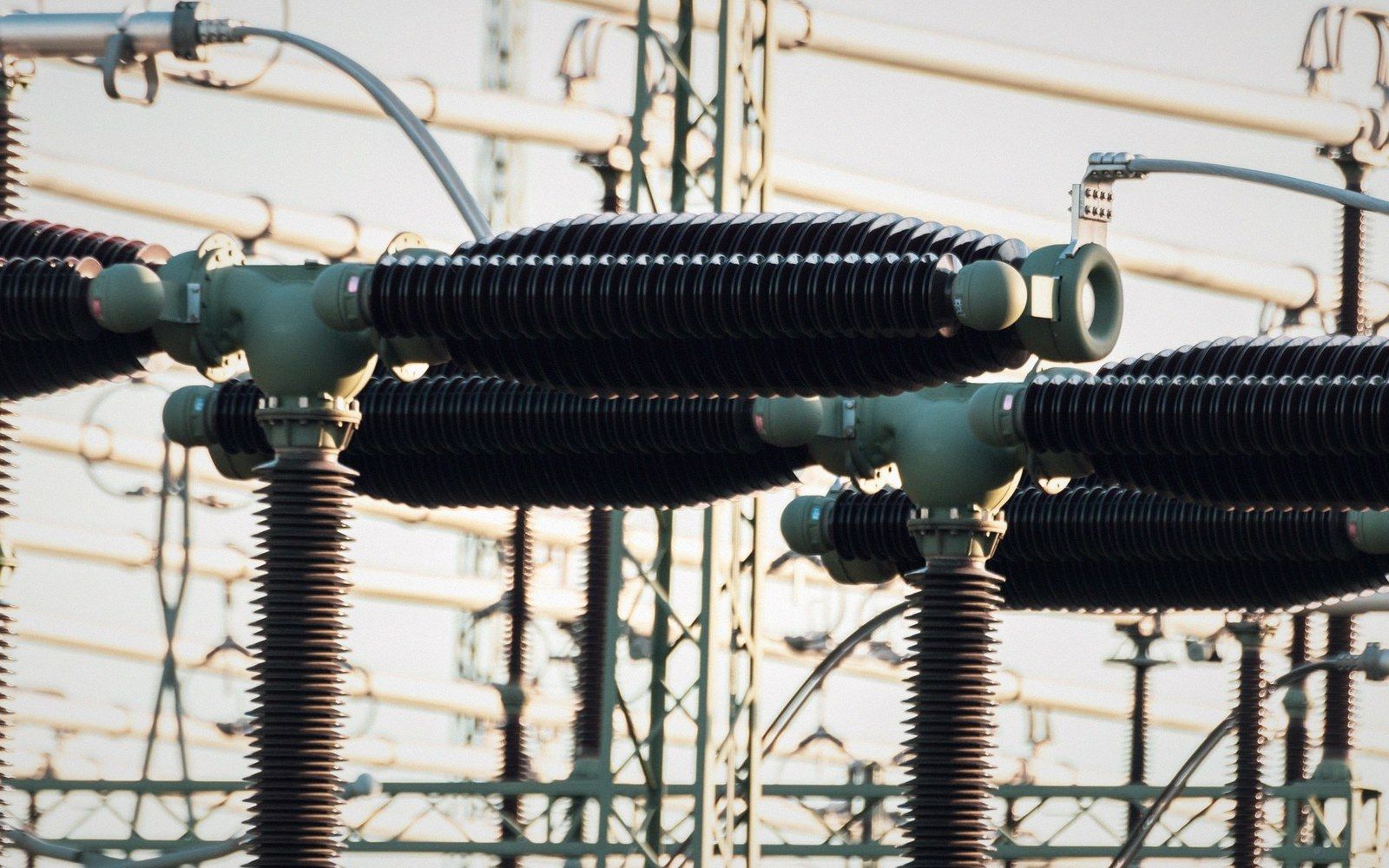
Over the Alps and Under the Sea
Italy sits at the end of a peninsula, but its northern border touches France, Switzerland, Austria and Slovenia — and every one of those crossings carries electricity in both directions, though mostly southward into Italy. The aggregate import capacity across these Alpine and pre-Alpine routes runs to roughly 7 gigawatts in the direction of import; the actual flow in any given hour depends on what neighbours have available and what it costs.
The Swiss and French interconnectors carry the largest volumes. France's nuclear fleet produces a large, relatively flat output, and when French wholesale prices are low — off-peak nights, high wind periods — that power flows into northern Italy through high-voltage alternating-current lines that cross the Mont Blanc and Fréjus corridors. Switzerland is itself a transit country as well as a hydro-heavy generator; its reservoir plants can deliver quickly, which makes the Swiss link useful not just for energy but for balancing. Austria feeds in through lines crossing the Brenner and Reschen corridors, again predominantly hydro. The Slovenian link is smaller but connects Italy to the broader central European market.
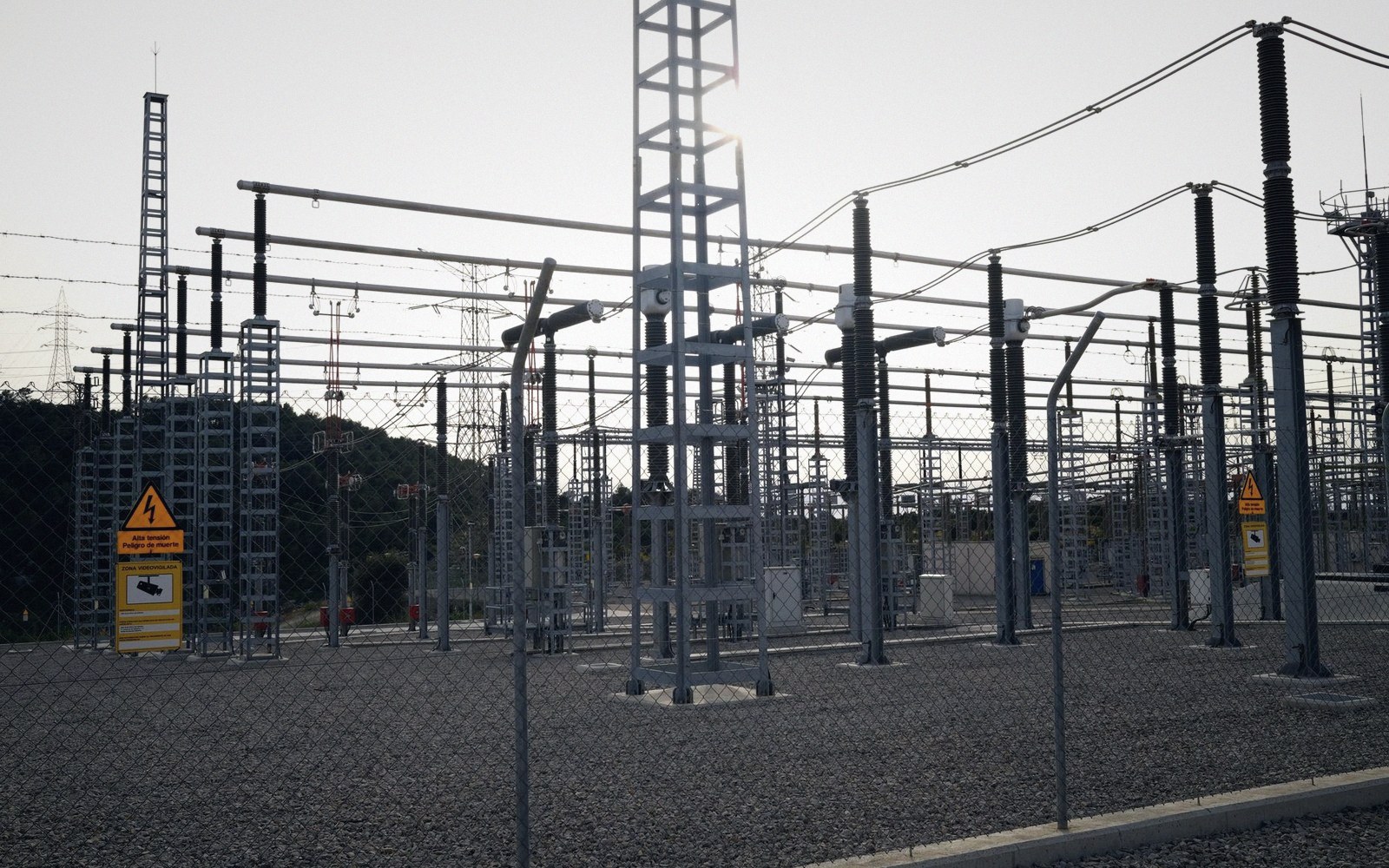
Italy has been a net importer for decades. In a normal year the country imports between 40 and 50 terawatt-hours, which represents roughly 15 percent of total national consumption. That is not a vulnerability in the engineering sense — the grid operator, Terna, manages it as a planned and priced flow — but it is an exposure in the economic sense. When French nuclear output fell sharply during 2022, because an unusually large number of reactors were offline for maintenance and stress-corrosion inspection, French export prices spiked, and Italy paid more for the same electrons it had been importing cheaply for years.
What the Capacity Constraint Actually Means
Interconnector capacity is not a simple pipe. It is governed by the available transfer capacity declared for each border section in each direction, and trading happens through capacity auctions coordinated at European level. When the auction price for import capacity itself is high — bidders competing for the right to move cheap power to an expensive market — that spread tells you something useful: there is a price differential large enough to make traders pay just for the access. Italy's wholesale market, the Mercato Elettrico, has historically cleared at higher prices than France or Germany, which means the interconnectors are almost always commercially attractive in the import direction.
The constraint is not always the cable; it can be the internal Italian grid. Power arriving at the northern border still has to travel to demand centres in the Po Valley, Milan and beyond. The north-south corridor inside Italy has its own congestion characteristics, and Terna manages those separately. The interconnectors deliver power to the border; what happens inside is a domestic network problem.
There is one non-Alpine link worth noting: the SAPEI cable between Sardinia and the mainland, and the older SACOI cable linking Sardinia, Corsica and the Italian mainland. These are high-voltage direct-current submarine links, technically different from the AC mountain crossings but part of the same interconnected picture. Sicily and Sardinia carry their own constraints once power arrives.
Looking ahead, several interconnector upgrade projects are in planning or construction, including enhanced capacity on the French border. Every additional gigawatt of cross-border transfer capacity is, in effect, another option for the system operator — another source to call on when Italian generation is short, and another export route when it is briefly long.
Austria feeds in through lines crossing the Brenner and Reschen corridors, again predominantly hydro.