The Ramp Nobody Talks About
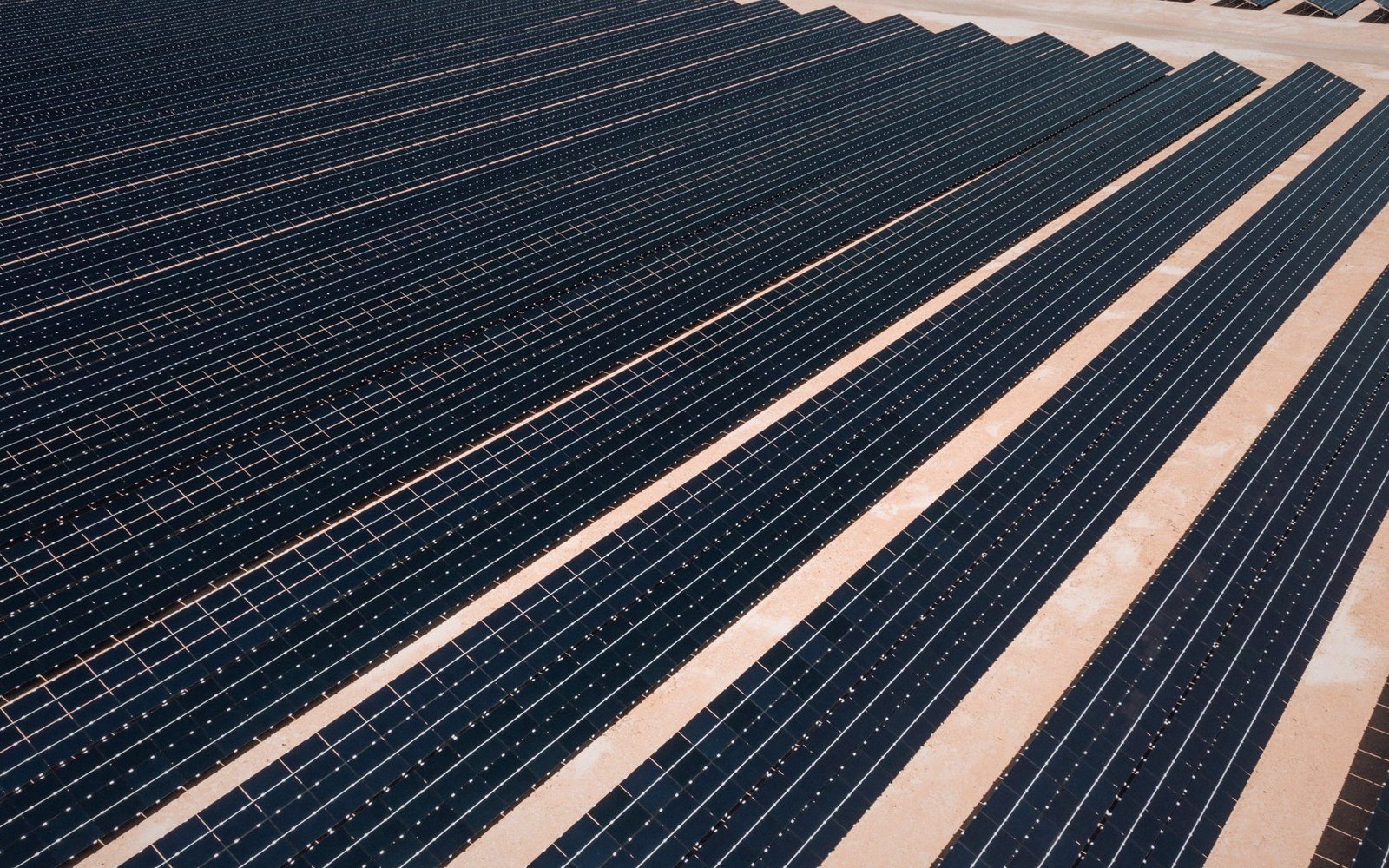
Spend a moment with any half-hourly output trace from Italy's grid on a cloudless summer day and you will see the same shape: solar generation climbs through the morning, peaks somewhere around midday, and then begins its long fall toward zero by early evening. The curve is predictable to within a few percent. Forecasters can call it hours ahead. None of that makes it easy to manage.
The problem is timing. On a July evening, solar output can drop by three or four gigawatts in the space of ninety minutes — a substantial fraction of Italy's total generation — at exactly the moment when residential demand is peaking: cooking, cooling, lighting all arriving together as the working day ends. Demand emerges from its own afternoon lull and climbs again. Solar falls simultaneously. The net call on everything else on the system steepens sharply.
This is the duck curve, or its Italian cousin. The name comes from the profile's shape when you plot residual demand — total demand minus solar — across the hours of the day. The belly sags at midday when solar is abundant. The neck rises steeply as evening arrives and solar collapses. What has to fill that neck is the real question.
What Actually Steps In
Italy's answer, right now, is gas. Combined-cycle gas turbines are the machinery that follows demand — they can ramp at rates that older plant cannot match, and they sit on part-load ready to accelerate. Terna, the national grid operator, dispatches them to cover the solar drop. A plant that was idling at partial output at three in the afternoon is running hard by seven. The cost of that flexibility is paid for in fuel burn and in carbon, and it is one of the reasons Italy's gas fleet does not simply disappear as solar grows — it becomes, if anything, more necessary to manage the ramp even as its total annual hours fall.
Pumped-storage hydro, largely Alpine, provides a second tool. Water held in an upper reservoir through the solar hours can be released through the turbines as solar retreats. The round-trip is not lossless — pumped storage returns something less than the electricity used to fill the reservoir — but it is fast, it is controllable, and its fuel is free. Italy's Alpine reservoirs are among the continent's most significant stores of dispatchable energy; on steep-ramp evenings, they earn their place.
Battery storage is the third instrument, newer and still small in absolute terms. Grid-scale batteries installed alongside solar plants, or connected independently, can be charged through peak solar hours and discharged into the evening ramp. Their contribution is growing as costs fall, but at the scale Italy is dealing with — a ramp measured in gigawatts sustained across an hour or more — batteries are a supplement rather than a solution yet.
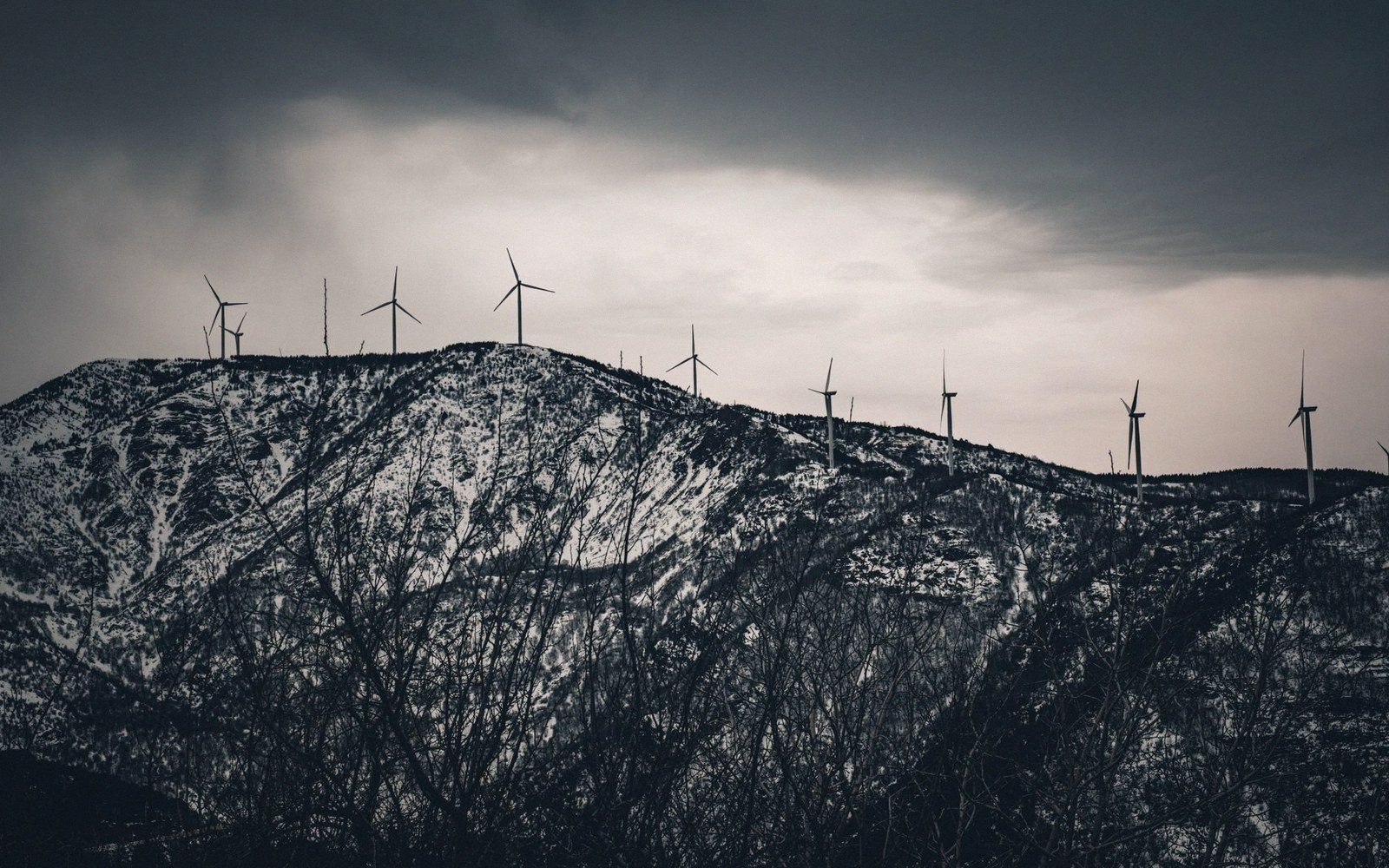
Wind does not reliably fill the gap. Ridge-site wind in Italy blows according to its own meteorology, not according to the solar calendar. Sometimes it strengthens in the evening; often it does not. Where Italian wind is sited keeps it valuable but structurally independent of the solar timing problem.
The Question the Numbers Raise
As Italy's installed solar capacity continues to grow, the ramp steepens. More solar at noon means a bigger drop by seven in the evening. The grid does not care about installed capacity at midnight; it cares intensely about what can be scheduled, started and ramped in the window around dusk. Capacity is not the same as energy, and neither of them is the same as ramp capability.
The name comes from the profile's shape when you plot residual demand — total demand minus solar — across the hours of the day.
This is why storage and gas are not alternatives in any simple sense — they are answering the same question from different directions, with different speeds, different costs and different carbon intensities. The evening ramp is where that tension lives, and it will sharpen before it eases.