One Number to Defend
The job, at its core, is maintaining 50 Hz — the frequency of the Italian grid. Physics links frequency directly to the balance between generation and consumption: when demand exceeds supply, generators slow under the load and frequency falls; when supply outruns demand, frequency rises. The tolerance is narrow. Italian regulations require Terna — the national transmission system operator — to keep frequency within ±200 millihertz of 50 Hz under normal conditions. That is a band of just ±0.4 percent around a single number, held continuously, around the clock, across a country where demand swings by several gigawatts between three in the morning and midday.
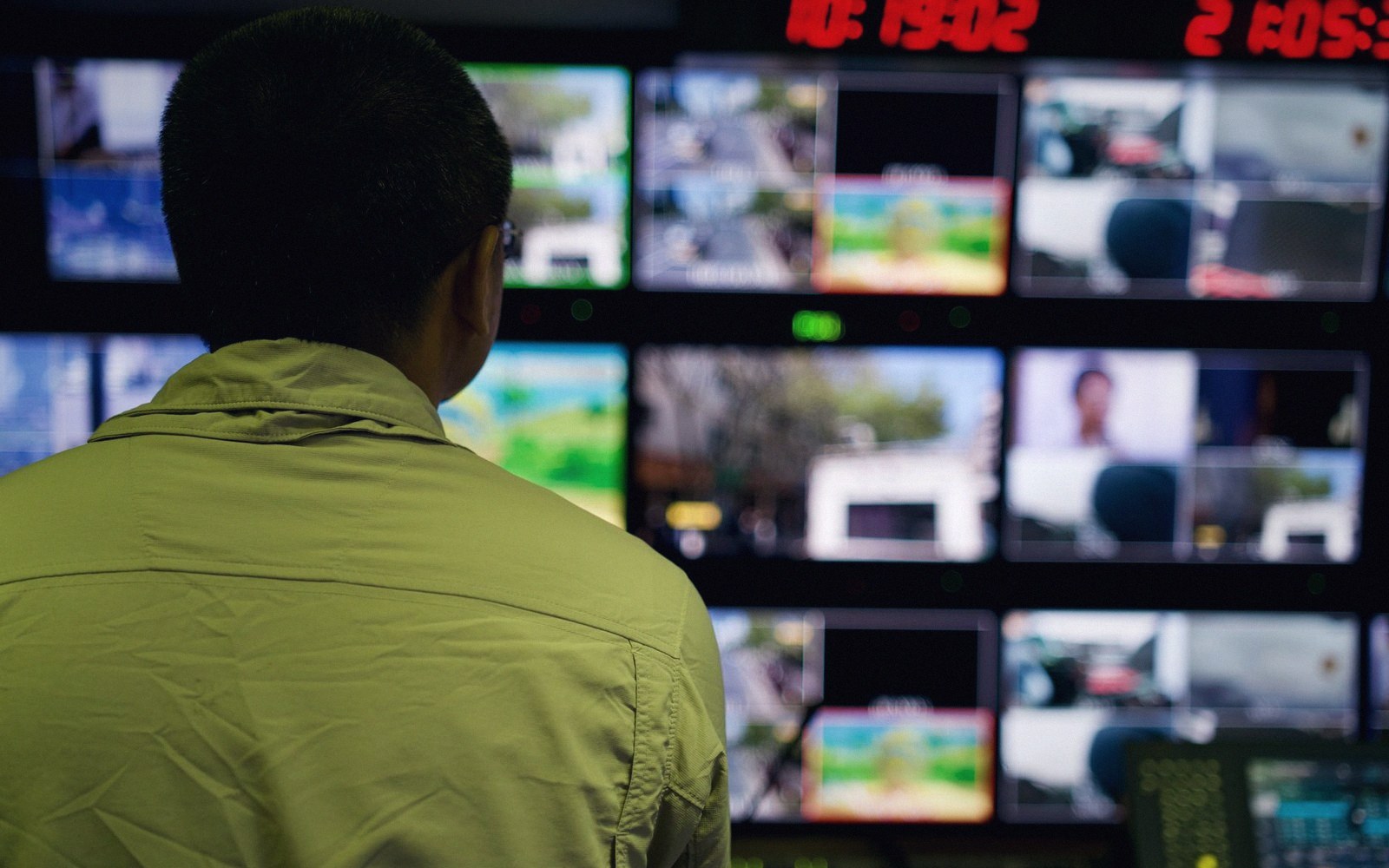
Terna's national control centre sits in Rome. From there, engineers watch real-time frequency measurements, generator outputs, line flows and interchange across the border interconnectors simultaneously. The data updates in seconds. The decisions have to be faster than the problem.
What Keeps Frequency Stable
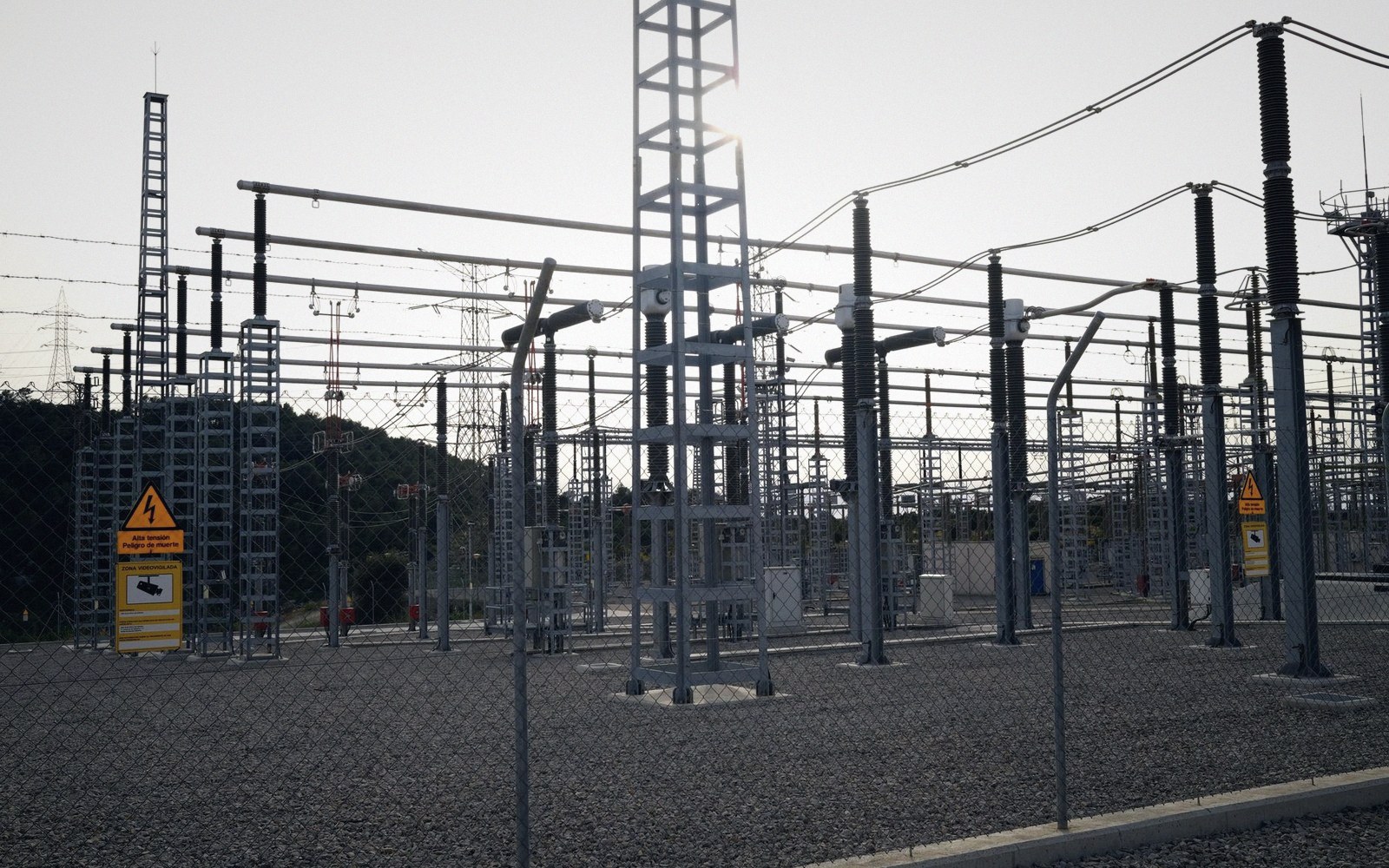
Reserve is the operational tool. Terna procures and manages several overlapping layers of it, each responding on a different timescale.
The first layer is automatic. Primary frequency response — called primary regulation in Italian practice — is built into individual generators: their governors detect a frequency deviation and adjust output within seconds, without a signal from the control room. A gas turbine or a hydro unit running below its maximum can provide this service; a solar panel running at full output cannot. This is why generators are sometimes dispatched deliberately below their ceiling, holding headroom they can release instantly if frequency dips.
The second layer is also automatic but coordinated at the European level. Secondary regulation — automatic generation control, or AGC — operates over a timescale of roughly thirty seconds to several minutes and brings frequency back toward exactly 50 Hz after primary response has arrested the deviation. Italy's secondary reserve is centred on dispatchable plant, principally combined-cycle gas turbines and Alpine hydro, whose reservoirs allow rapid ramp-up in a way that run-of-river plants cannot.
The third layer involves deliberate manual dispatch: tertiary reserve, sometimes called replacement reserve. This is slower — tens of minutes — but handles larger and longer imbalances. Terna activates it by calling on specific plants in an order determined by the results of the day-ahead and intraday electricity markets.
The Day as a Sequence of Problems
A system operator's working day is not a steady watch: it is a series of distinct challenges that arrive on schedule.
The morning load ramp — demand rising by several gigawatts in the space of two or three hours — requires plant to be ready before it is needed, which means Terna secures the capacity the evening before through the ancillary services market, the Mercato dei Servizi di Dispacciamento (MSD). Forecasting when and how fast demand will rise is itself a technical task, drawing on historical patterns, weather data, temperature and the day of the week.
From there, engineers watch real-time frequency measurements, generator outputs, line flows and interchange across the border interconnectors simultaneously.
By midday in summer, solar is flooding the system, depressing wholesale prices in the south and loading the transmission lines that run northward. The control room watches line flows to prevent thermal overloads and, where the north-south corridor is constrained, may redispatch — instructing one plant to reduce and another to increase — to keep currents within cable ratings.
Late afternoon brings the inverse problem. Solar output falls while demand holds and then spikes as households return home. The ramp rate required of dispatchable generation — primarily combined-cycle gas, and whatever hydro storage is available — can reach several hundred megawatts per minute across the system. The control room will have called on its tertiary reserve capacity hours earlier to ensure that plant is warmed up and capable.
Then there is the overnight question: four in the morning, low demand, often low wind, no sun. The system needs enough generation running to cover inertia requirements and respond to sudden losses, but not so much that it tips into oversupply. Too much generation at night is not just wasteful; it drives frequency high and requires generators to be curtailed or, on the interconnectors, to export abroad.
Contingency and the N-1 Rule
Beyond the routine, the control room manages for failure. European grid codes require that the transmission system operate securely under the loss of any single large element — one generator, one major transmission line — without that loss causing cascading failures. This is the N-1 criterion. Satisfying it means Terna must always have spinning reserve available to cover the sudden disappearance of its largest in-feed, a figure that can approach three gigawatts depending on what is running.
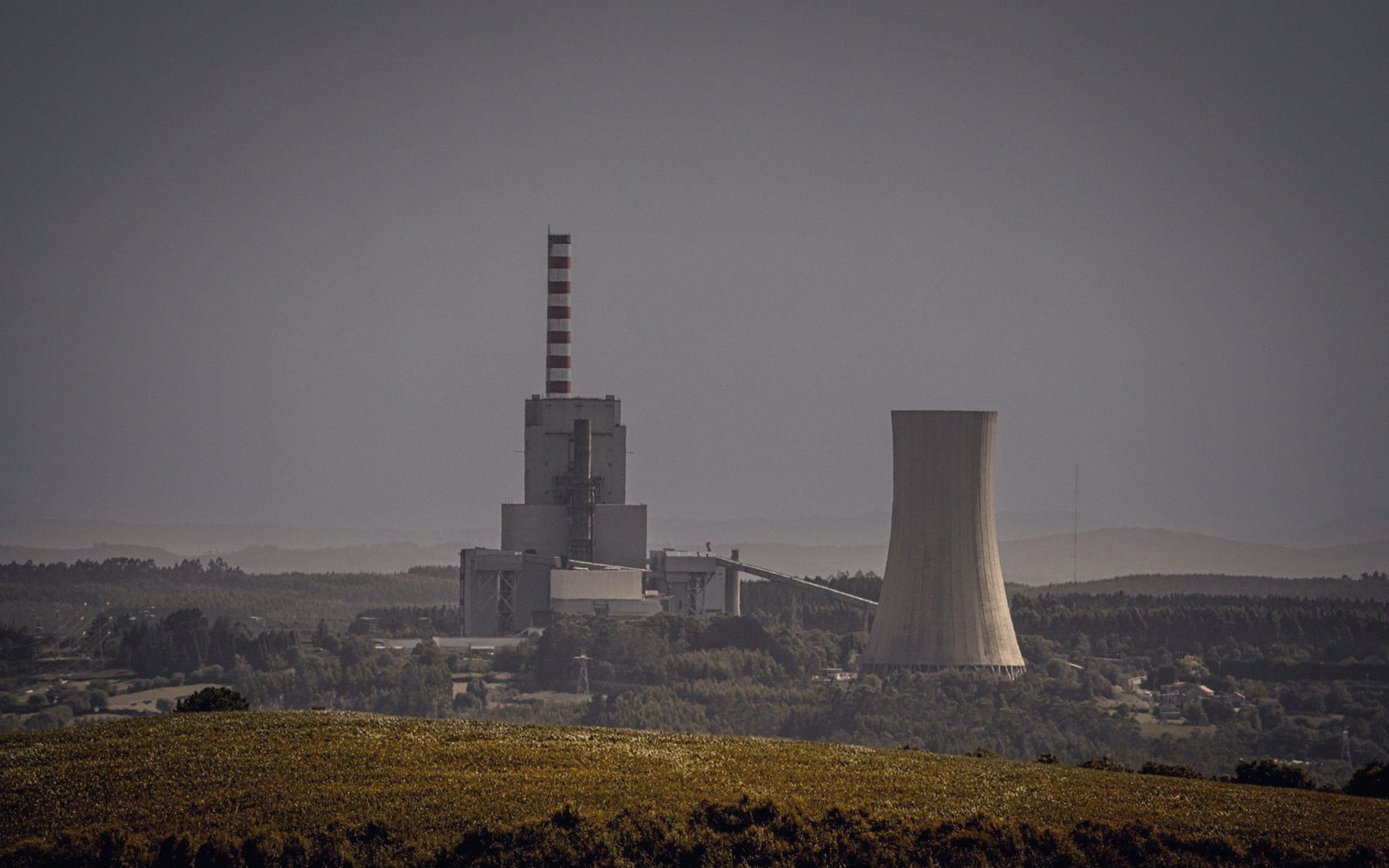
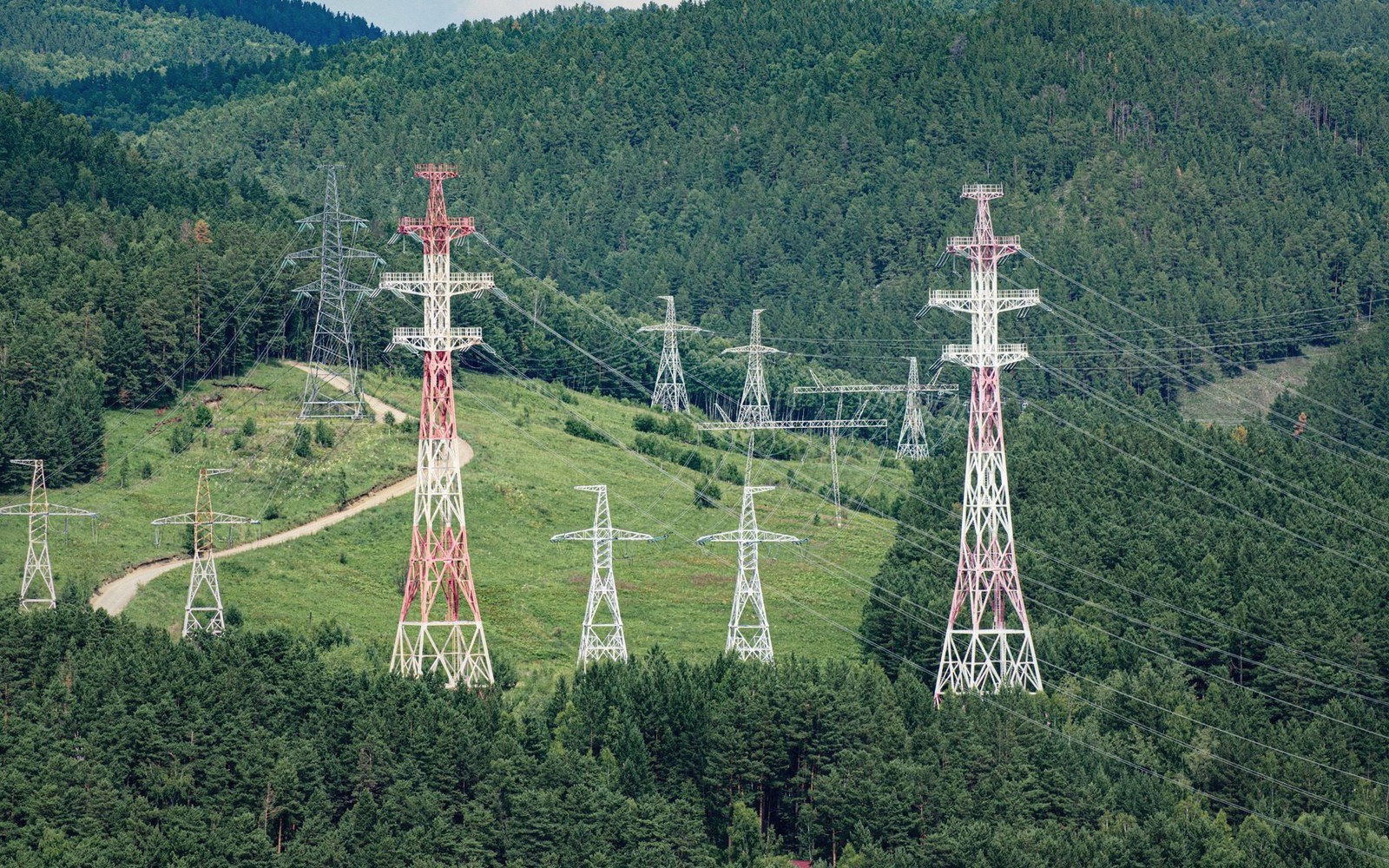
Managing that margin is not a background task; it shapes which plant the operator runs and at what level every hour of the day. It also shapes how Italy uses its interconnectors — the Alpine border ties that can import or export several gigawatts depending on the hour — because a cross-border trip counts as a contingency too.
The result of all of this, when it works, is an invisible outcome: lights on, appliances running, frequency sitting so close to 50 Hz that nobody outside the control room has any reason to notice. That invisibility is, precisely, the measure of how well the job is being done.