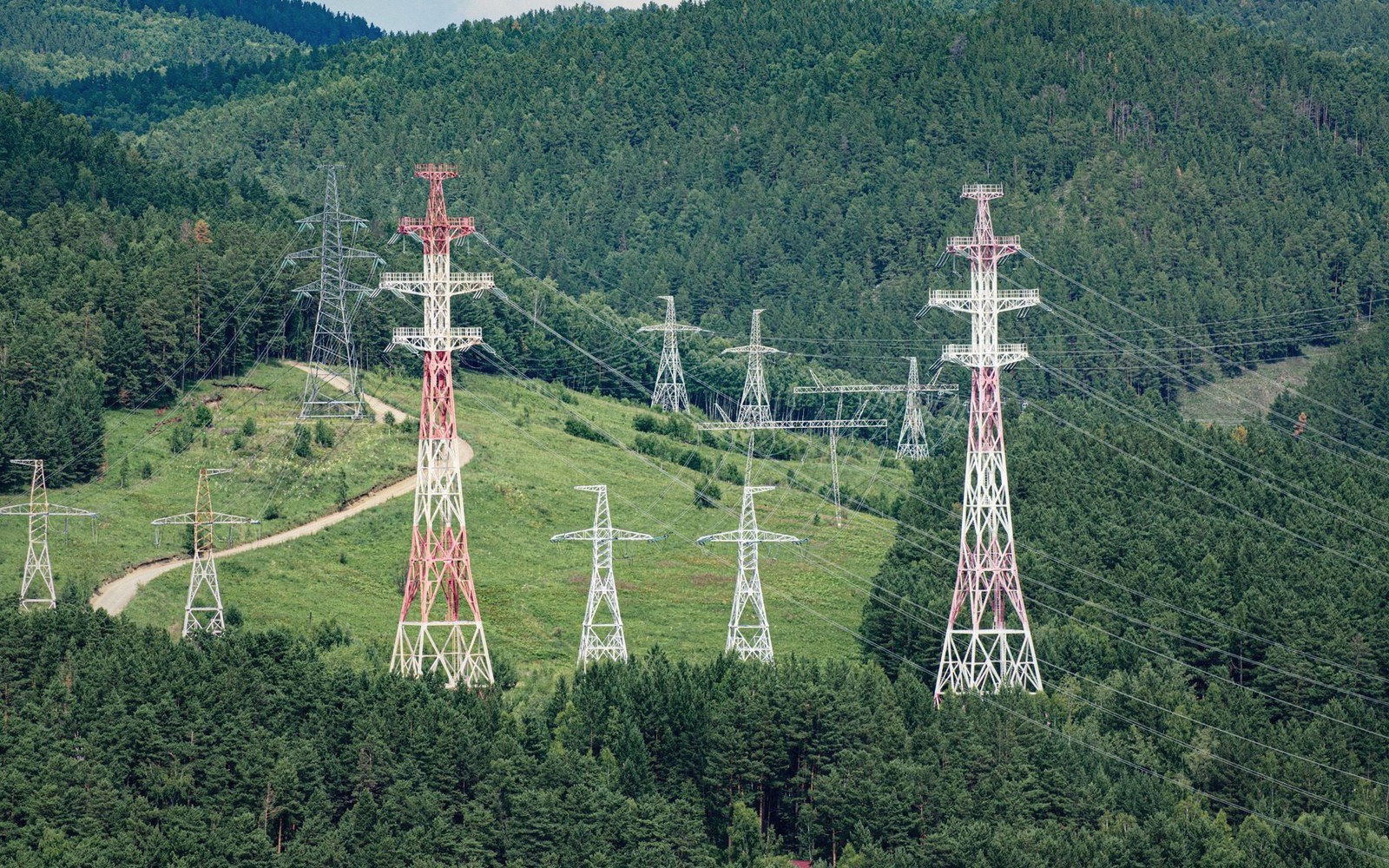
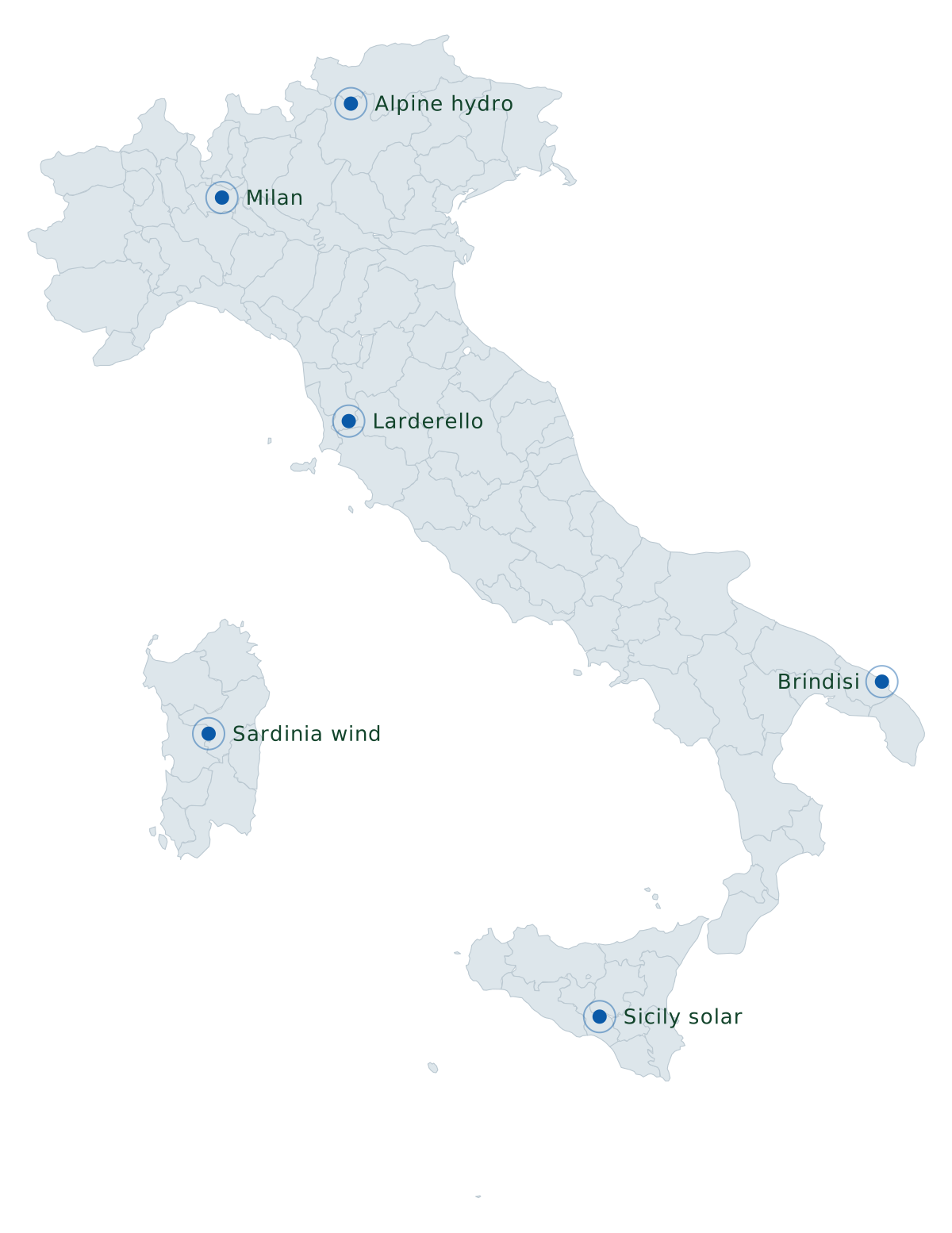
Italy's electricity system has a structural tension baked into its geography. Industrial demand sits in the north — the Po Valley, Milan, Turin, the manufacturing belt that accounts for the largest share of national consumption. For most of the twentieth century, this was also roughly where a good deal of the generation sat: Alpine hydro, gas-fired plant near the refineries at Marghera, thermoelectric stations close to the industrial load. The grid was built to reflect that logic.
Then the south filled up with solar panels and wind turbines.
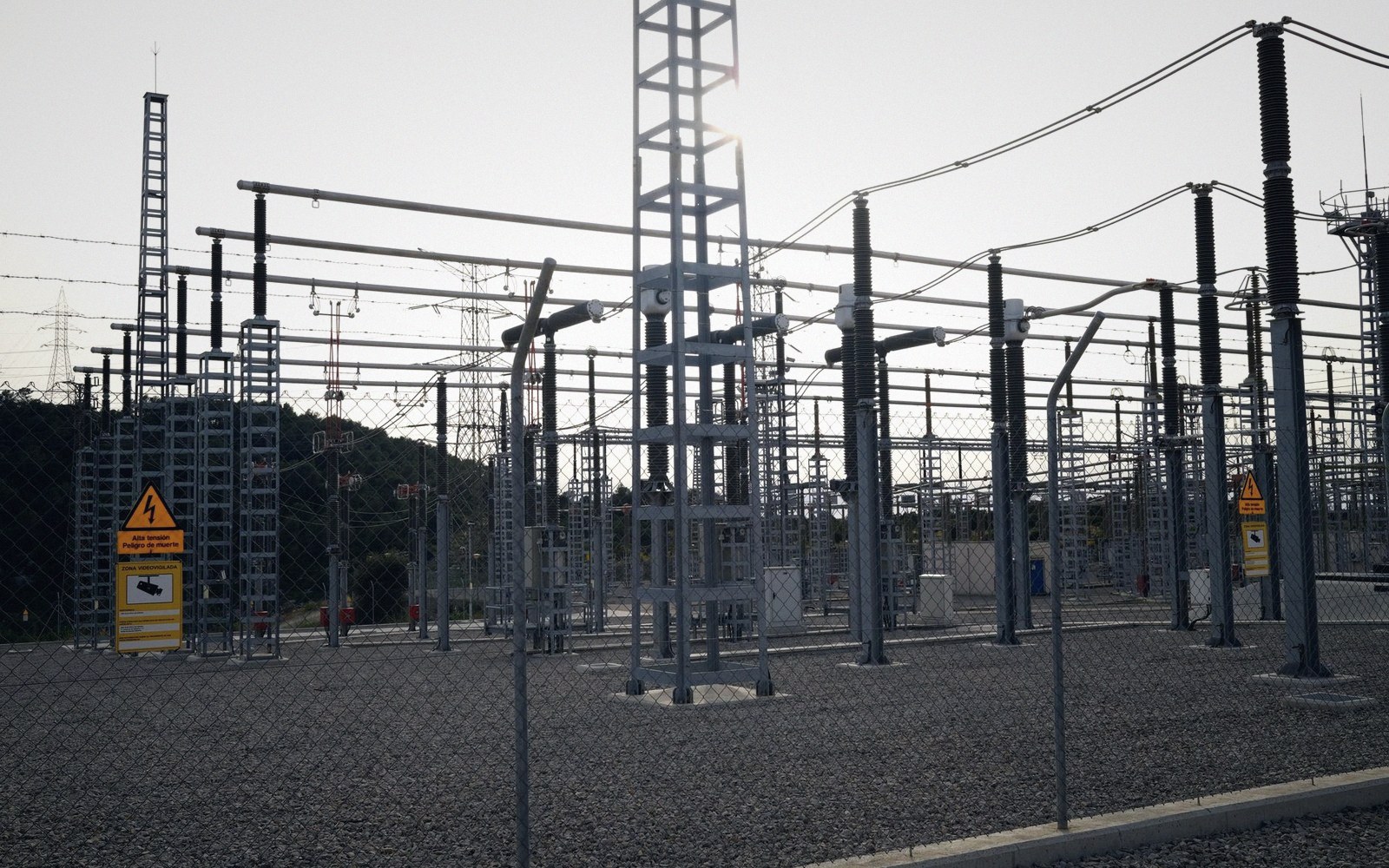
The transformation was not subtle. The Mezzogiorno now hosts the overwhelming majority of Italy's utility-scale photovoltaic capacity, drawn there by irradiance figures that make the south one of the best solar resources in Europe. Wind lives on the ridges of Calabria, Basilicata and Campania, and across Sicily and Sardinia. Collectively, these southern and island regions generate far more electricity than they consume locally. The surplus has to move — north, across a transmission network that was never designed to carry this volume of power in this direction.
The line cannot always follow the electrons
Transmission grids are sized for the generation mix they were built alongside. Italy's high-voltage backbone, operated by Terna, was engineered for a system that had its heavy generation in the north and centre and its thermal plant distributed close to demand. Reinforcing that backbone is not simply a question of stringing more wire: a new high-voltage line requires site surveys, environmental impact assessments, planning consents from multiple layers of regional and national government, and frequently years of legal challenge from local authorities and landowners. A 200 MW solar farm can be permitted and built in the time it takes a major transmission reinforcement to clear its first round of public consultation.
When the wire is full
This mismatch produces congestion — the condition where electrons want to flow through a corridor faster than physics allows. When a transmission line is loaded to its thermal limit, the system operator cannot simply send more power down it without risking a fault. Instead, Terna must redispatch: curtailing cheap renewable generation in the south that would overload the line, and simultaneously calling up more expensive thermal generation in the north to cover the demand that the southern power cannot reach. The consumer pays for both ends of this manoeuvre through the balancing costs embedded in system charges. The southern generator earns less, or nothing, for output it could have produced. Nobody wins cleanly.
Curtailment figures illustrate the scale of the problem. In years of high renewable output, significant volumes of solar and wind generation in Sicily and southern mainland regions have been constrained off the system — not because there was no demand for the energy, but because there was no headroom on the lines to move it. This is capacity and energy confusion made physical: installed megawatts that cannot be converted to delivered megawatt-hours because the wire is full.
The north-south seam
The critical bottleneck runs roughly across the width of the peninsula between the centre and south, and across the Strait of Messina to Sicily. Terna's development plans have identified these corridors for reinforcement for more than a decade. The Tyrrhenian Link — a high-voltage direct-current submarine cable project that would connect Sicily to Campania and Sicily to Sardinia — represents one of the largest infrastructure commitments in the current grid development plan. HVDC (high-voltage direct current) is the right technology for long submarine runs: it loses less energy per kilometre than alternating current and can control power flow precisely, which matters when you are trying to manage congestion rather than simply add capacity.
The economics of HVDC justify themselves when two conditions are met: the distance is long enough that AC line losses compound, and the power flows are large and reasonably predictable in direction. The southern-to-northern flow of Italian renewables satisfies both. HVDC also allows the cable to act as a firebreak — it does not propagate frequency disturbances between the connected AC systems the way a standard line does, which is a secondary benefit for system stability.
Collectively, these southern and island regions generate far more electricity than they consume locally.
Sardinia already has HVDC connections to the mainland (the SAPEI cable, at 1,000 MW, is among the longest submarine HVDC cables in Europe). Sicily's connection to the south of the peninsula exists but is a constraint point. The Tyrrhenian Link, when complete, will not eliminate congestion, but it will substantially change the north-south carrying capacity of the system.

Why lines take longer than plants
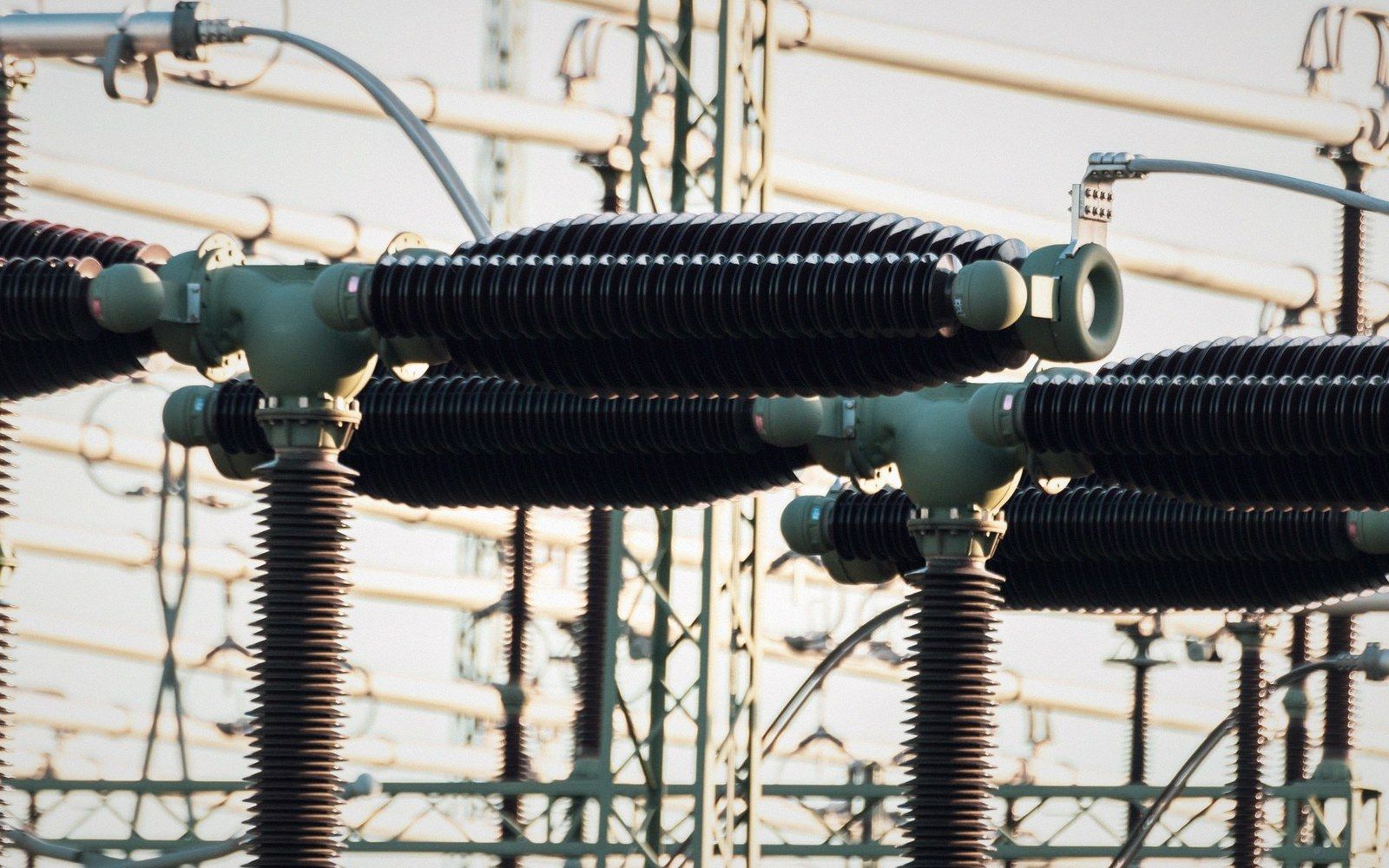
There is a structural asymmetry in the planning system that no grid operator can fully work around. Generation projects — particularly solar, which has no moving parts, modest foundations and a well-understood supply chain — can mobilise capital and reach construction quickly once permitted. Transmission projects share the permitting burden but have a fundamentally different footprint: a 400 kV overhead line crosses dozens of municipalities, traverses land under multiple ownership regimes, and raises objections at every crossing. Even submarine cables must come ashore, and landfall points generate their own disputes.
The result is a planning queue that consistently runs behind the deployment queue. Terna publishes multi-year grid development plans and maintains a queue of connection requests from generators; in recent years, the volume of connection requests has far exceeded the near-term grid capacity to absorb them. A generator granted a grid connection offer faces a system that may ask it to wait for a reinforcement that is itself waiting for planning.
Italy is not unusual in this respect — it is a version of a problem visible in Germany, Britain, Texas and wherever renewable deployment has outrun transmission build. But the Italian geography sharpens it: a long, narrow peninsula with major mountain ranges blocking direct east-west routes, and two large islands that can only be reached by submarine cable. There is less slack in the topology than in a wide-area continental grid with multiple alternative paths.
What the operator does while the lines are being built
While reinforcement proceeds slowly, Terna manages the existing network through a combination of redispatch, market-based congestion management, and increasingly through smart use of available assets. Pumped-storage hydro in the north — which can absorb or release power quickly — provides some buffer. The interconnectors across the Alps give the northern demand centres access to supply that does not need to traverse the domestic north-south bottleneck at all.
None of this fully resolves the constraint. Southern renewables are curtailed in high-output periods; northern consumers pay for balancing; the investment case for new southern generation is marginally undermined by uncertainty over how much of its output will actually reach the market. The transmission backbone is not a passive infrastructure problem sitting in the background — it is an active shaper of how Italy's energy transition proceeds, and how fast, and at what cost. Building it faster would not just move power more efficiently. It would make the economics of the transition make sense in both directions.
Chronology of the structural shift
- 20th centuryItalian grid built around northern industrial demand and generation: Alpine hydro, Po Valley thermal plant
- 2010sLarge-scale solar and wind deployment concentrates in the south and islands, reversing historic generation geography
- OngoingTerna's grid development plans repeatedly identify north-south corridor as the critical reinforcement priority; planning and build timelines remain substantially longer than those for generation