The Word That Does Too Much Work
"Intermittent" is probably the most weaponised word in any argument about electricity. It gets deployed to mean variable, undependable, unpredictable, dangerous to the grid, and structurally incapable of running a modern system — sometimes all at once, in the same sentence. Most of those meanings are wrong, or at least imprecise enough to be useless. Grid engineers use the word in a specific, technical sense, and the gap between that sense and its popular meaning is where most of the argument goes astray.
Start with what intermittent actually describes: a source whose output is not constant. Solar generates when the sun is up. Wind generates when the air moves. Neither is dispatchable — you cannot instruct them to produce more on command the way you instruct a gas turbine. Output varies across hours, days and seasons according to conditions the plant cannot control. That is intermittency, and it is a real engineering challenge that the grid has to absorb.
But intermittent is not the same as unreliable. Reliability, in grid engineering, refers to something different: whether a unit delivers what it is supposed to deliver, or fails when it was expected to run. A coal station that trips offline at 07:00 on a cold January morning is unreliable. Its full rated capacity disappears in seconds, without warning, and the system operator has to find replacement power faster than any weather forecast demanded. A wind farm that tapers from full output to near zero over six hours as a weather system passes is intermittent — but the system operator knew it was coming, planned for it, and had replacement capacity ramping up before the wind dropped.
That temporal difference — planned variation against unplanned failure — is the thing the argument almost always collapses.
What Forecastability Actually Buys You
Modern numerical weather prediction can give a grid operator a usable wind power forecast twelve to thirty-six hours ahead, and solar forecasting is tighter still, because the geometry of the earth's relationship to the sun is known to extraordinary precision. Clouds introduce noise, but short-interval forecasting — looking fifteen to sixty minutes forward — has become accurate enough that most major grid operators treat near-term solar and wind variation as largely foreseeable. Italy's system operator, Terna, runs continuous balancing across the day using exactly these tools: it dispatches faster-response resources — gas combined-cycle turbines, hydroelectric storage, imports across Alpine interconnectors — to cover the ramp that it can already see in the forecast.
This is fundamentally different from how a grid handles the sudden, unplanned loss of a large thermal unit. Every power system is engineered to survive the loss of its single largest generator at any moment — this is the N-1 security standard, the rule that says one failure must not cascade into a blackout. In Italy's case, that means holding reserves sufficient to replace a large block of capacity, on timescales of seconds to minutes, before a human being has made any deliberate decision. That standing reserve costs money, it occupies gas turbines and pumped-storage plant that could otherwise be doing something else, and it exists because thermal plant trips without warning.
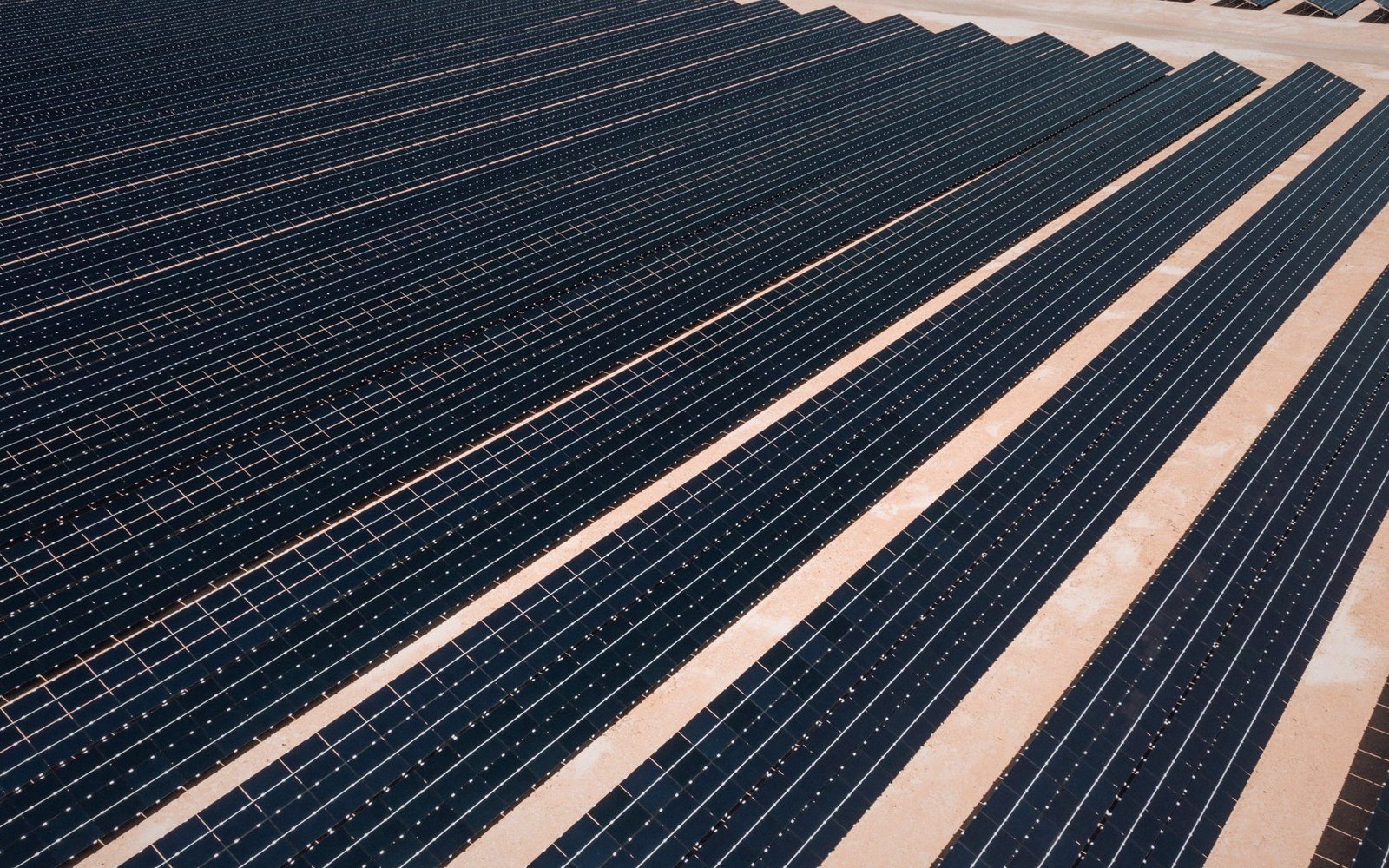
Wind and solar do not trip. They ramp. And the system does not respond to a ramp the same way it responds to a trip. A ramp is absorbed by secondary reserves — resources that can follow a predictable, continuous change in supply. A trip demands primary reserves — inertia, automatic governor response, fast-start capability — that must react before the cause is even diagnosed. Secondary reserve is cheaper than primary reserve. Managing a ramp is, in engineering terms, easier than managing a sudden loss. The grid absorbs both, but they are not the same problem, and conflating them is what makes so many popular arguments about intermittency misleading.
None of this means high penetrations of variable renewables are cost-free or simple. They are neither. But the costs are specific and manageable ones: adequate reserve capacity, sufficient transmission to move generation from where it is to where it is needed, and enough flexible response — storage, demand flexibility, fast-responding gas — to track the variation. Italy already has much of this infrastructure, partly by historical accident: the Alpine hydro network and pumped-storage capacity that exists primarily to manage seasonal demand also turns out to be exactly the flexible resource a high-solar grid needs.
Start with what intermittent actually describes: a source whose output is not constant.
Two Different Demands on the System
What intermittency and unreliability each demand of a grid is structurally different, and worth spelling out clearly.
A variable renewable source requires the system to hold more flexible capacity — generation or storage that can ramp up and down quickly as wind and solar output moves. How much depends on the degree of variability, the geographical spread of the fleet, and the sophistication of the forecasting. A highly concentrated wind fleet in a single corridor will cause larger, faster swings than a dispersed fleet across many ridge lines and coastal zones. Italian wind is spread across the southern Apennines, Sicily and Sardinia, and while those are not perfectly uncorrelated, their aggregate output is smoother than any individual site. Scale and geography are natural hedge instruments.
A thermally-dominated system with aging plant, by contrast, faces a reliability problem that requires standing reserve against sudden loss — capacity that is simultaneously online and unused, kept ready in case the unit that is running trips. This is not a small cost: conventional reserve margins, the buffer of installed capacity over peak demand, historically ran at twenty to thirty percent precisely because individual large units could and did fail without warning. The hidden cost of thermal reliability has always been paid; it simply does not appear in discussions that treat conventional plant as the baseline and variable renewables as the disruption.
There is, though, one area where the intermittent/unreliable conflation causes genuine policy error: capacity credit. When a government or system operator is deciding whether new solar and wind capacity reduces the need for other firm capacity, they need an honest answer to the question: how much does this new plant contribute to meeting peak demand on the worst evening of the year? The answer for solar is straightforwardly low — peak grid demand in Italy, as in most temperate countries, occurs after sunset in winter, when panels produce nothing. Wind is more location- and season-dependent; Italian wind tends to be weakest in summer and can be low on still winter evenings. High capacity credit is not what variable renewables offer, and claiming otherwise is a mistake that leads directly to underbuilding the flexible backup that the system genuinely needs.
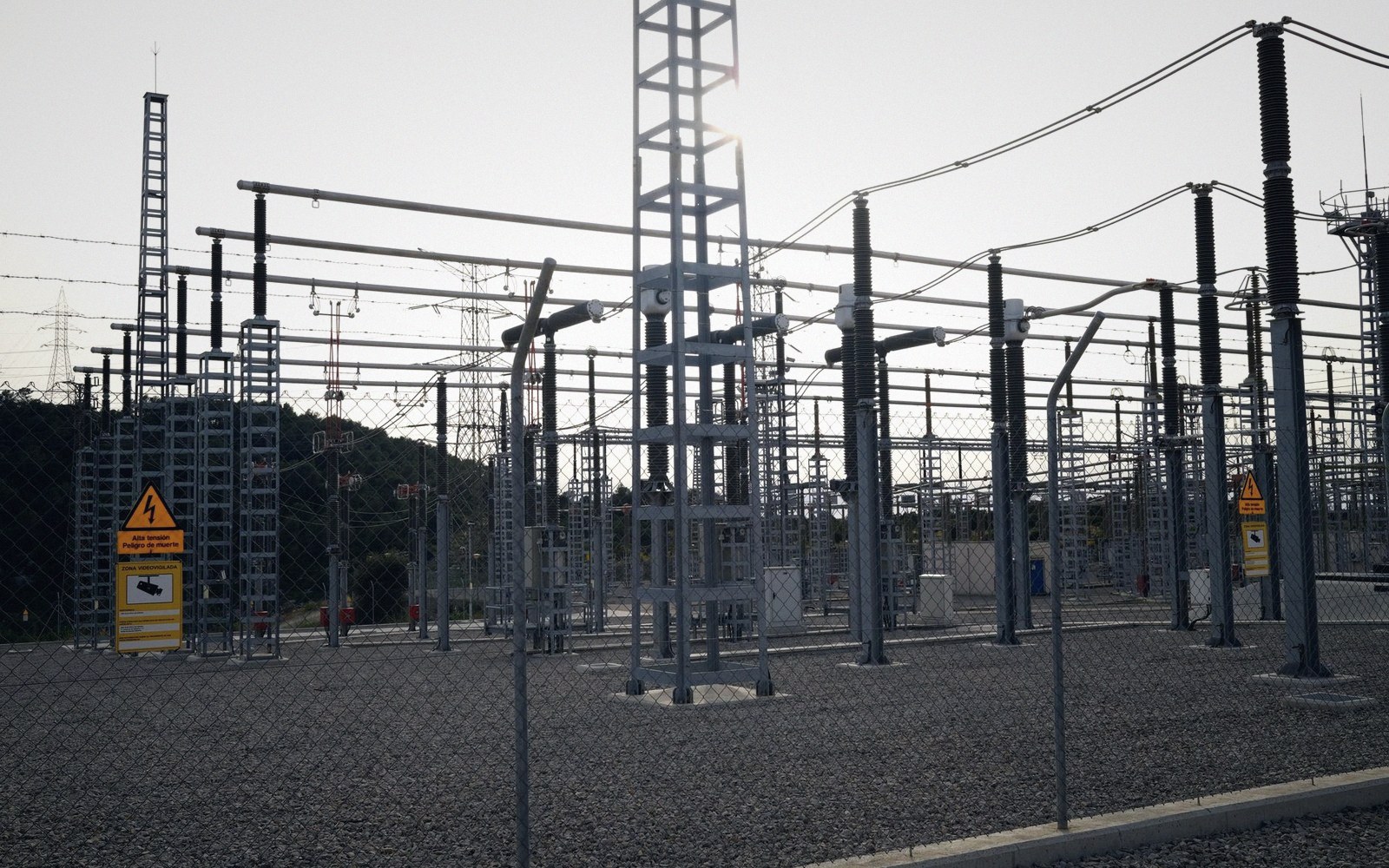
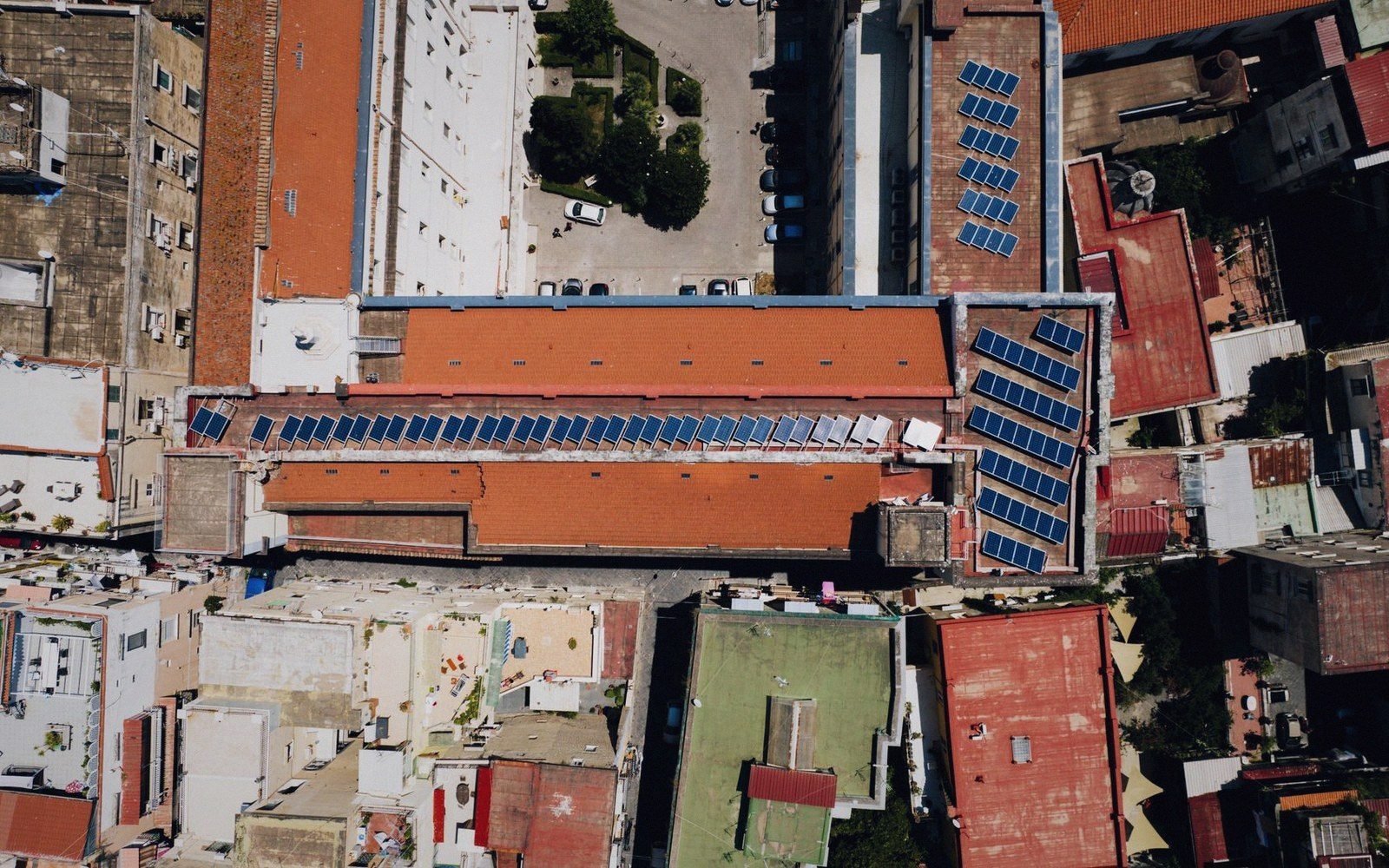
What variable renewables do offer is energy — large quantities of low-marginal-cost electricity across many hours of the year, displacing fuel consumption and reducing carbon emissions at those hours. The grid challenge is matching that pattern of generation to the pattern of demand, across hours and seasons. That challenge is about the evening ramp, about storage, about interconnection and about the relationship between geography and generation profile. It is not about the word "intermittent" suggesting these sources are fundamentally ungovernable.
The serious version of the grid integration question is not "can intermittent sources run a grid?" but "what mix of flexibility, storage, backup capacity and interconnection does a high-renewable grid require, and what does that cost against the fuel and capital cost of alternative systems?" That is a tractable engineering and economic question. Italy is working through its version of it now — with the geothermal baseload in Tuscany, the hydro storage in the Alps, the coal stations closing in the north, and solar growing fast in the south while demand sits in the north. The details are complicated and specific. The language does not have to be.