The size of the shortfall
Italy's hydroelectric capacity sits around 22 GW, most of it in the Alps. In a normal year that fleet delivers roughly 40–45 TWh — something close to 15 percent of total national electricity consumption. But hydro output is not a fixed number. It is a function of precipitation, snowpack, and reservoir carry-over from the previous winter. In a dry year, output can fall by 10–15 TWh compared to the long-run average. That is not a rounding error. It is the equivalent of several large gas-fired combined-cycle plants running flat out for a year.
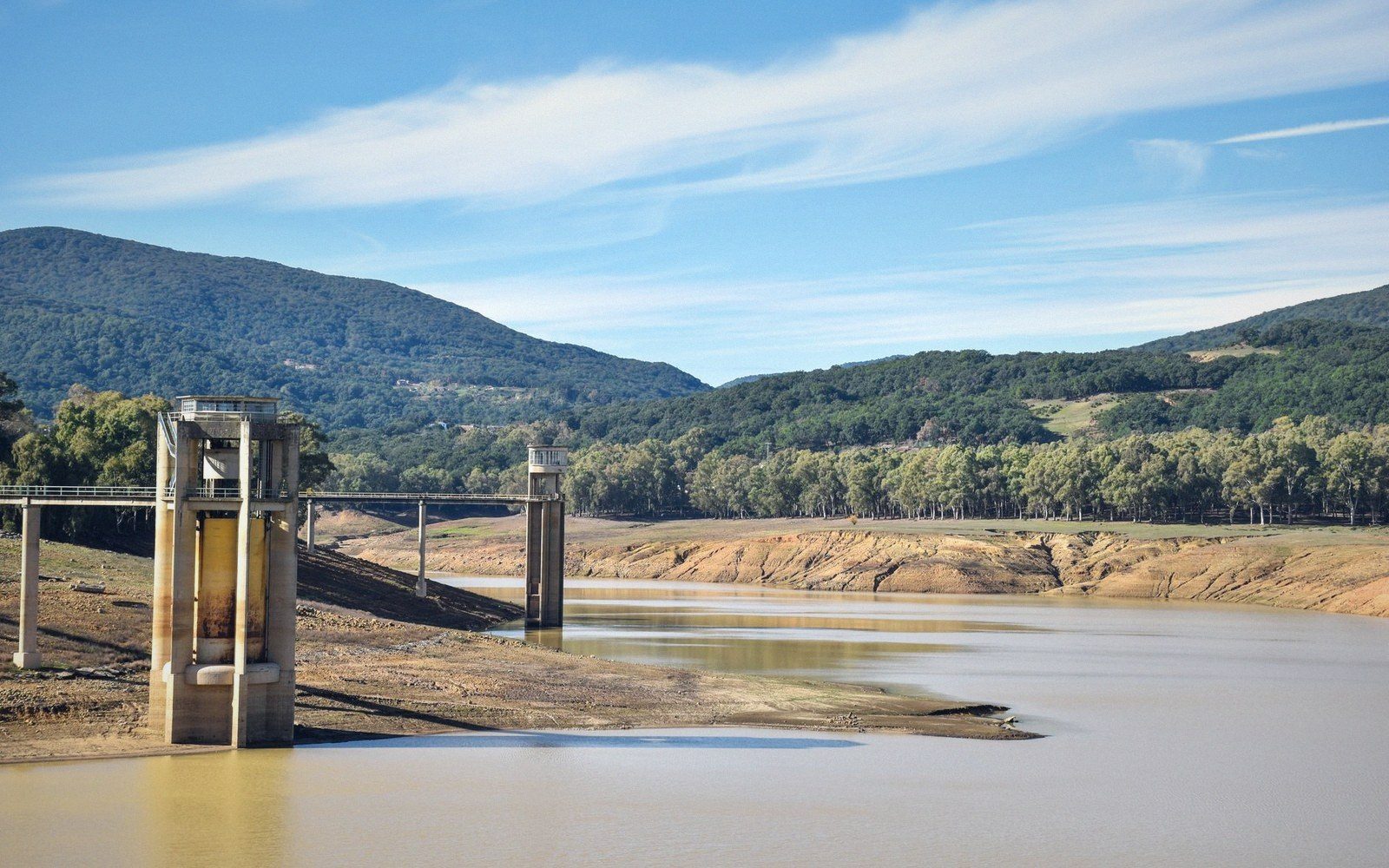
The 2022 drought made the stakes concrete. A winter with well-below-average snowfall in the Alps combined with a dry spring stripped reservoirs that are normally replenished by snowmelt through May and June. Hydroelectric output that year dropped sharply at exactly the moment when a gas supply crisis was already straining the European system. Italy found itself short of two resources simultaneously.
How the gap gets covered
The system operator, Terna, cannot schedule rain. What it can do is increase the call on every other dispatchable source. In practice, a hydro shortfall is filled by some combination of four things.
Gas-fired generation takes the largest share. Combined-cycle plants are the marginal source of firm power in Italy, and when hydro output falls they run more hours and at higher load factors. This is not a failure mode — it is exactly the role gas is designed to play — but it has a direct cost in both fuel spend and emissions. In 2022 that cost arrived during an episode of extreme gas prices, which is why a climatic event translated so quickly into an economic one.
Key numbers
Imports across the interconnectors provide a second lever. Italy's Alpine transmission links to France, Switzerland and Austria carry power in both directions, and when domestic hydro is weak, net imports tend to rise. The constraint is that a dry year in the Po Valley and the southern Alps is often part of a broader southern European drought, meaning French and Swiss hydro may also be running low. The cushion the interconnectors provide is real but not unlimited.
Thermal plant lower in the merit order — older gas turbines, the remaining oil-fired capacity — can be called on for capacity that would otherwise sit idle. This is expensive generation that the market normally never reaches.
Demand-side responses and efficiency play a marginal role in the short run. Industrial interruptibility contracts let Terna shave peaks, but they cannot replace missing baseload terawatt-hours across a full season.
What the system cannot easily do is substitute non-dispatchable renewables directly for the missing hydro. Solar and wind add energy, but not the same kind — intermittent is not the same as reliable firm capacity available at the operator's call. Pumped storage helps at the margins, moving cheap overnight power to the evening peak, but pumped storage is a battery with limited charge, not an independent energy source.
A winter with well-below-average snowfall in the Alps combined with a dry spring stripped reservoirs that are normally replenished by snowmelt through May and June.
The deeper lesson from a dry year is structural. Hydro's value to the Italian grid is not just its terawatt-hours but its dispatchability — the ability to respond within minutes to a frequency event or a demand spike. When precipitation removes that block of controllable generation, the system becomes more exposed, more expensive to balance, and more dependent on fuel it imports. Climate projections suggest the Mediterranean basin is drying on a long trend. That is not a forecast about renewable energy targets. It is a forecast about reservoir levels.