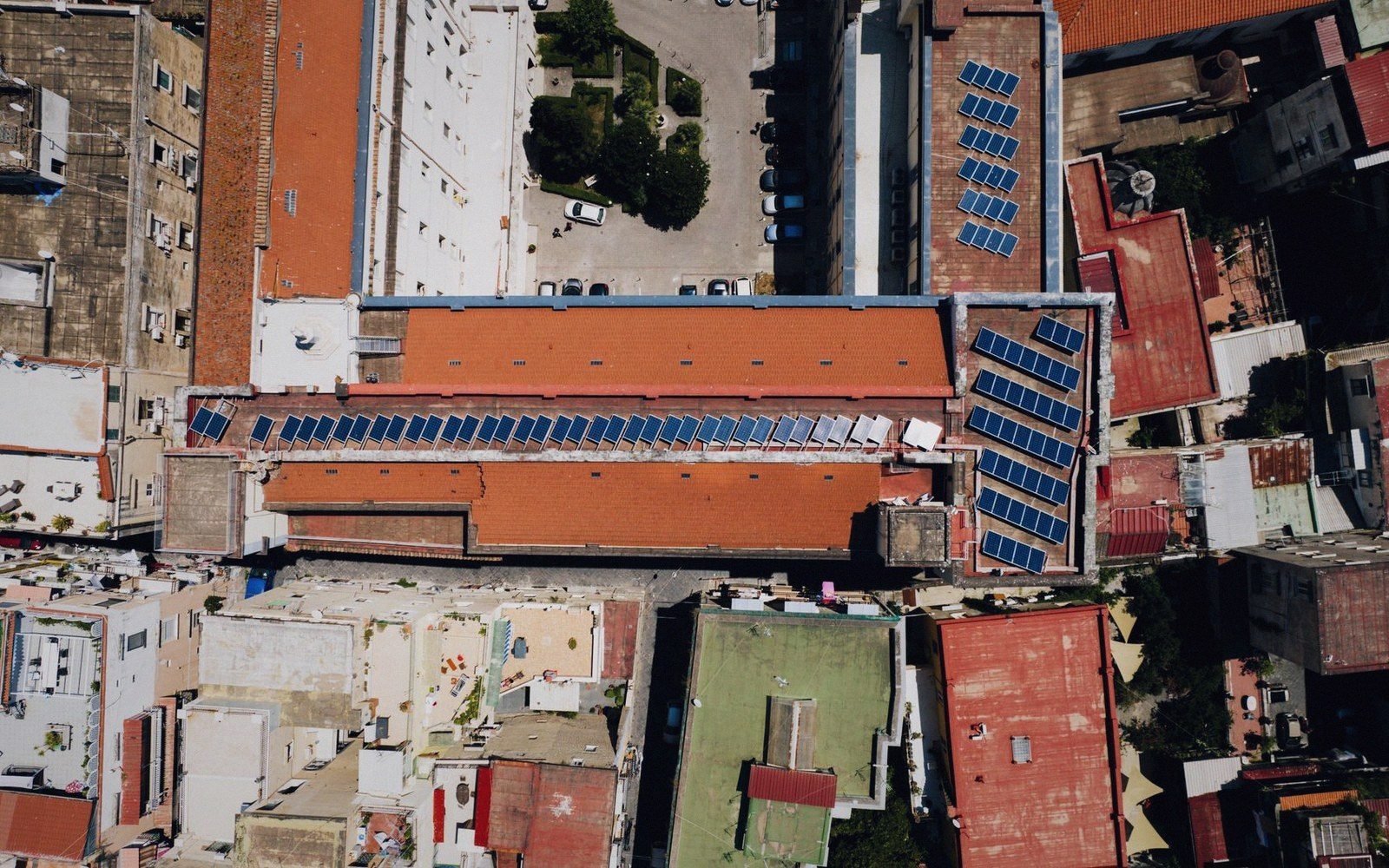
Italy receives more solar irradiance per square metre in Puglia and Sicily than almost anywhere else in continental Europe. A rooftop in Lecce captures roughly forty percent more energy per year than one in Milan. The physics is simple: latitude, fewer cloudy days, cleaner air over the heel of the boot. The economics followed the physics, and so did the planning permissions. By the early 2020s, the overwhelming majority of Italy's utility-scale photovoltaic capacity sat in the Mezzogiorno — the south, including the islands — while the country's largest industrial loads, its steel mills, chemical plants and automotive supply chains, remained anchored in Lombardy, Piedmont and Emilia-Romagna. Two maps laid on top of each other with almost nothing in common: generation where the sun is, demand where the factories are.
This is not a flaw in the plan. It is the plan working as physics dictates. But it creates an immediate and concrete question: how does the electricity get from where it is made to where it is needed, across a peninsula that is long and narrow and whose transmission backbone was designed, decades ago, around a very different flow of power?
The irradiance gradient, and what it actually means for installed capacity
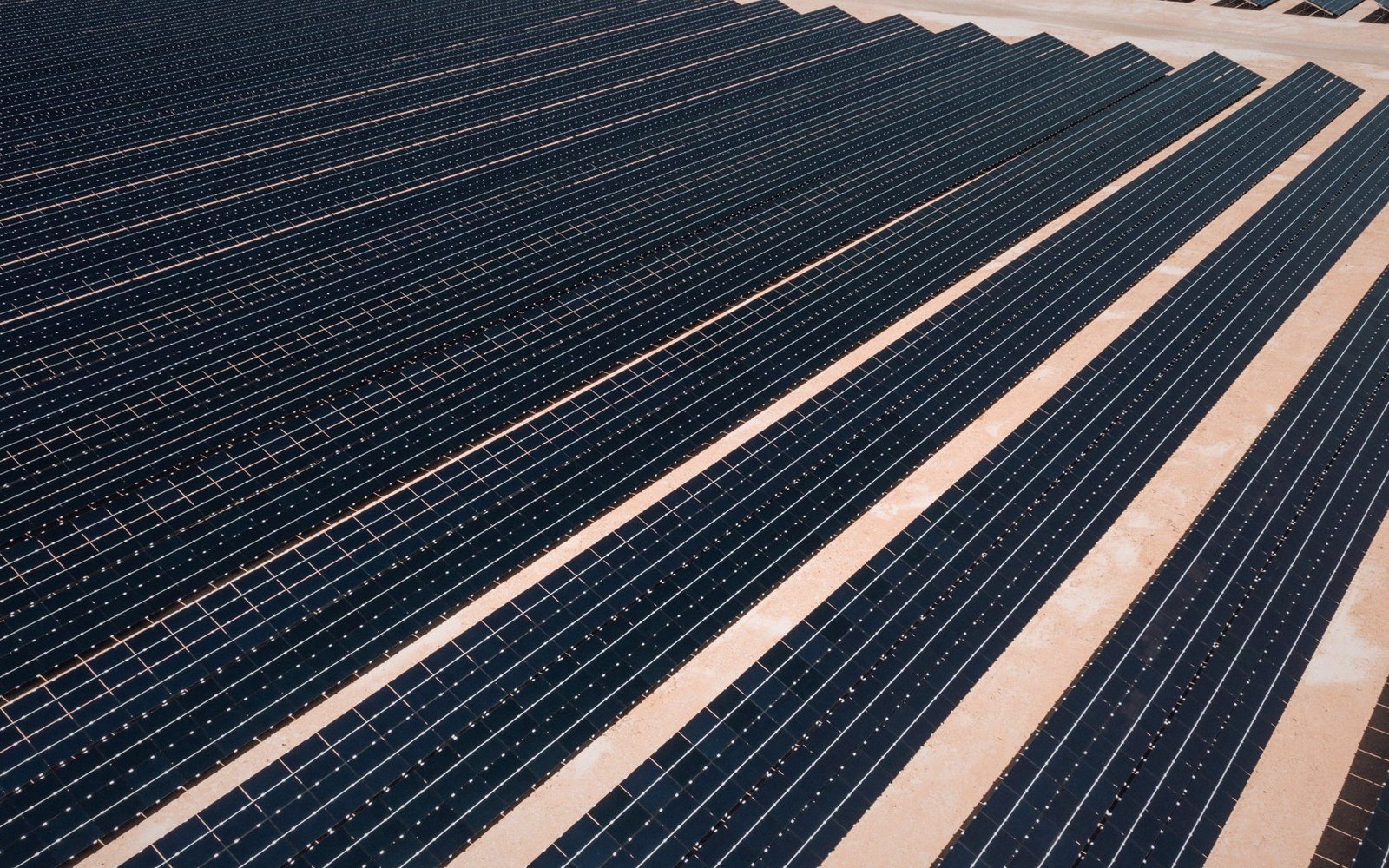
The difference in solar resource between northern and southern Italy is large enough to change investment decisions substantially. A plant built in Sardinia or on the Sicilian plain operates at a higher capacity factor than one of identical nameplate size built in the Po Valley — it generates more kilowatt-hours per kilowatt of panel, year after year, because the sun hits harder and longer. Developers and investors follow that arithmetic. The result is a geographic concentration that Terna, Italy's transmission system operator, must treat not as a temporary aberration but as the structural condition of the grid for the foreseeable future.
Capacity factor is the ratio that translates the headline figure — installed gigawatts — into actual energy delivered. A gigawatt of panels in northern Apulia, running at perhaps eighteen or nineteen percent annual capacity factor, yields substantially more annual energy than a gigawatt in Lombardy. Understanding capacity and energy as distinct things is the first step to reading any generation statistic sensibly. In the south, both the capacity and the energy output per unit of capacity are concentrated together. That doubles the transmission obligation.
A long, narrow peninsula and an asymmetric grid
Italy is shaped like a boot for a reason that matters here: it is a very long country relative to its width, and its transmission system follows that shape. High-voltage lines run north along both coasts and through the Apennine spine, but the carrying capacity of those corridors is limited by the physical infrastructure built when the generation mix was different — when large thermal plants in the north and centre supplied most demand, and the south was a net consumer rather than a net producer.
The shift to large-scale southern solar has partially reversed that flow. On a clear afternoon in July, Puglia and Calabria produce more than they consume locally. The surplus must travel north. At the same time, the Sicilian and Sardinian systems — each an island — face their own version of this problem, amplified by geography. Both islands generate substantially from renewables, both have significant peak solar output, and both connect to the mainland by undersea cables whose capacity sets a hard ceiling on how much surplus can move at any given moment. Sicily and Sardinia operate under constraints that the peninsula does not face: when the cable is saturated and local demand is low, curtailment is not a policy choice but a physical necessity.
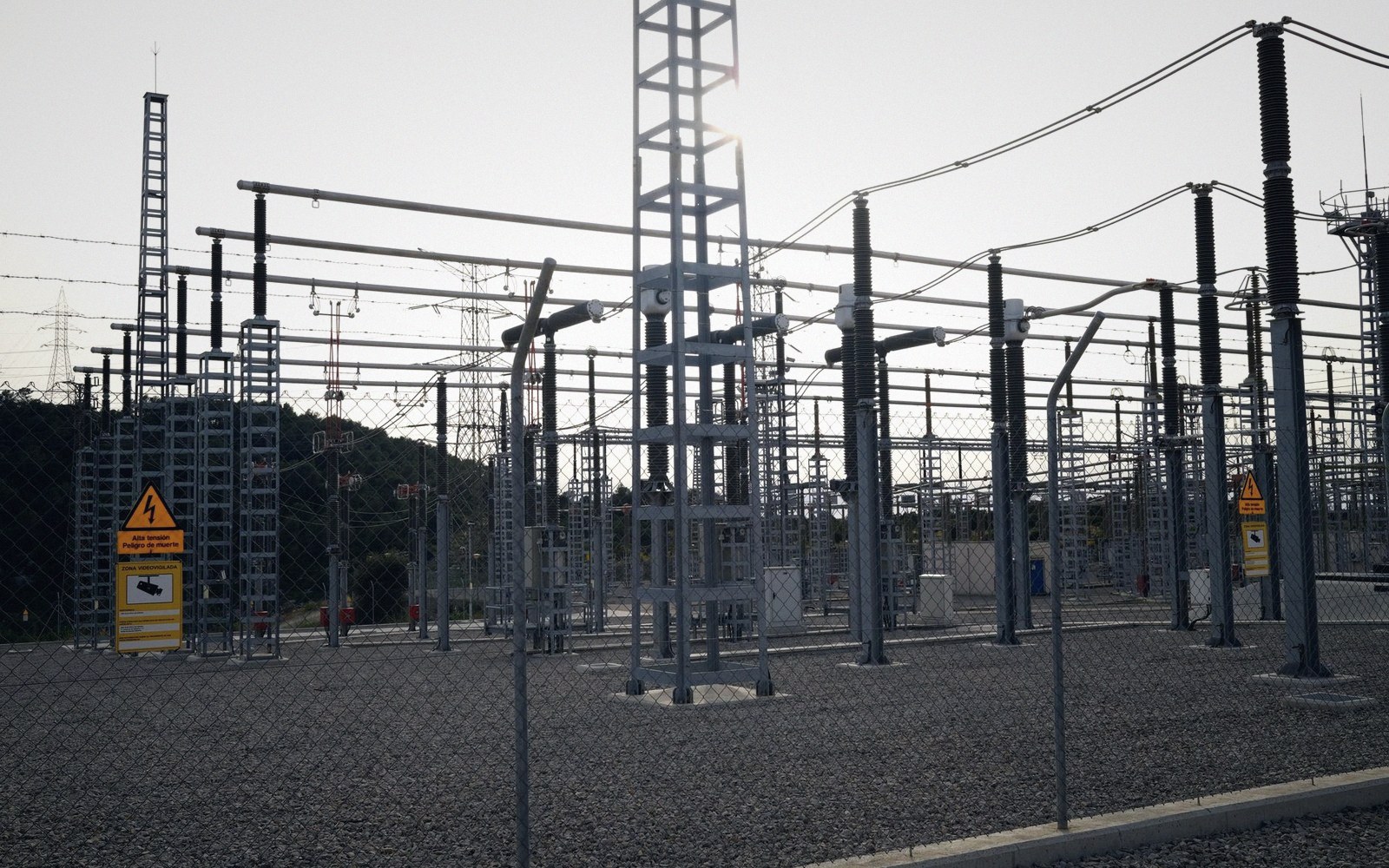
On the peninsula, the constraint is less acute but still real. The north-south transmission corridors have rated transfer capacities that Terna monitors continuously, and on days of high southern solar output combined with moderate northern demand, those limits can bind. The consequence is sometimes curtailment — solar plants told to reduce output — not because there is no demand for the electricity, but because there is no room to carry it to where the demand is.
What happens when the sun stops
Solar's contribution to the south is enormous in daylight hours and precisely zero after dark. This is not a criticism; it is a physical description. The evening ramp — the period after solar output collapses when demand has not yet fallen — is the moment the grid must cover with something else. In the south, that something else is mostly gas-fired combined-cycle plant and, increasingly, imports of power from the rest of the peninsula via the same congested corridors that were sending power north a few hours earlier. The directionality of flow through the north-south interconnections can reverse across the course of a single day. Terna's dispatchers manage this routinely; the hardware managing it is a different matter.
The difference in solar resource between northern and southern Italy is large enough to change investment decisions substantially.
The evening ramp problem is sharp enough to be a standing concern in grid operations. What solar does to the demand curve once you subtract it is visible in any hourly market price series for Italian electricity: midday prices suppressed by solar abundance, late-afternoon prices spiking as the resource withdraws faster than demand falls. In the south, this effect is stronger than anywhere else in the country, because the solar resource is larger and more concentrated.
Storage is the obvious partial answer. Battery installations are growing, and most of the policy discussion about where to site them centres on the south precisely because the mismatches are largest there. A battery in Puglia can absorb midday generation that would otherwise be curtailed and release it into the evening gap — solving two problems simultaneously. But the scale of storage needed to materially shift the flow patterns, rather than trim their edges, is still far beyond what is installed or immediately planned.
The network question is not secondary — it is the question
The temptation in writing about southern solar is to focus on the panels — their efficiency, their cost, their coverage of agricultural land, the arguments about agrivoltaics. All of those are real. But the more fundamental challenge is the wire. Italy cannot simply add solar capacity in Puglia and Campania and Basilicata and assume the electricity will reach Turin. Grid infrastructure takes longer to permit and build than generation does. Terna's national development plans include substantial new and reinforced transmission corridors running north through the peninsula, and upgrades to the cross-strait cables to Sicily and Sardinia. These projects are measured in years to completion.
In the meantime, the north-south power flow and its constraints represent the real binding limit on how fast Italy can integrate southern renewables into a nationally balanced energy system. Capacity can be announced and installed faster than cable corridors can be authorised, built and energised. The south carries the sun; the question is what it takes to let the rest of the country use it.
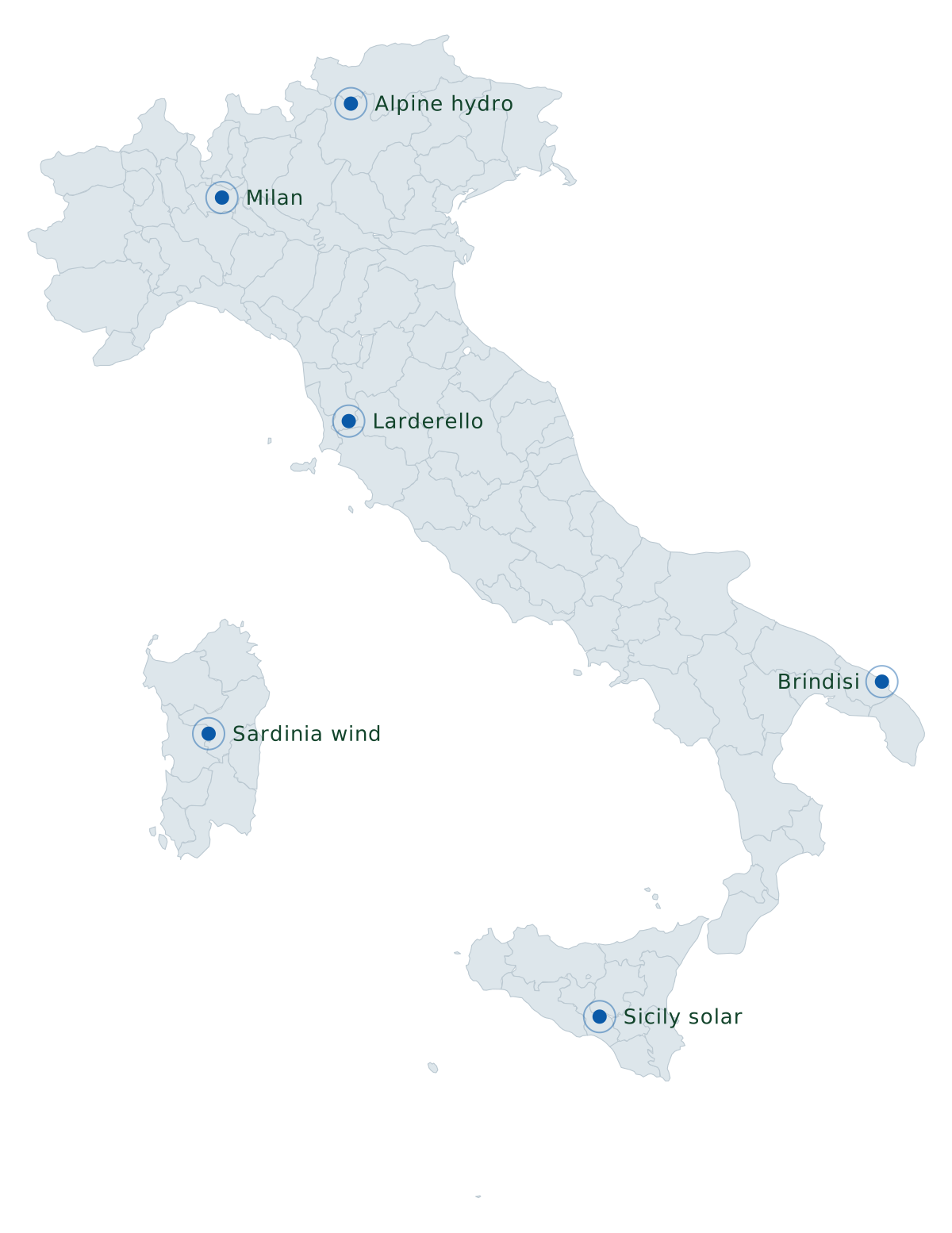
There is something clarifying about looking at Italy's energy transition through the lens of geography rather than targets and percentages. The irradiance maps and the load maps do not align. The transmission system is a legacy infrastructure being asked to carry a new kind of flow, in a new direction, at a scale its designers did not anticipate. Southern Italy is in the position of being the most productive part of the grid and, simultaneously, the part most constrained in exporting what it produces. Fixing that is an engineering and regulatory problem, not an aspirational one — and it will determine, as much as any solar panel, how much of that southern sun Italy actually gets to use.