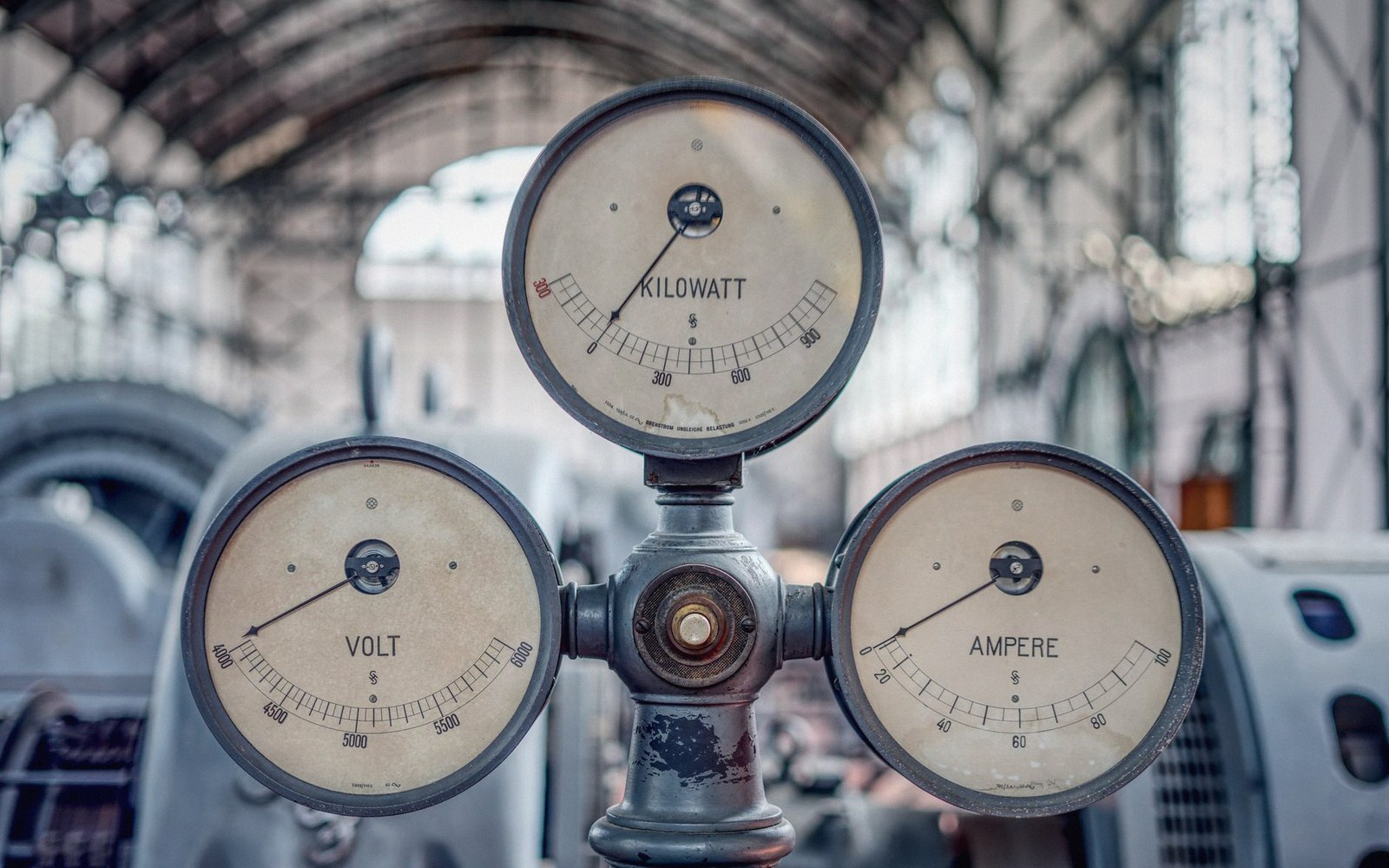
The Number That Gets Quoted
Every new solar farm, every wind announcement, every coal closure comes with a number in gigawatts or megawatts. That number is installed capacity — the maximum rate at which the plant can convert fuel or flow or sunlight into electricity under ideal conditions. It is a useful engineering fact. It is not a promise.
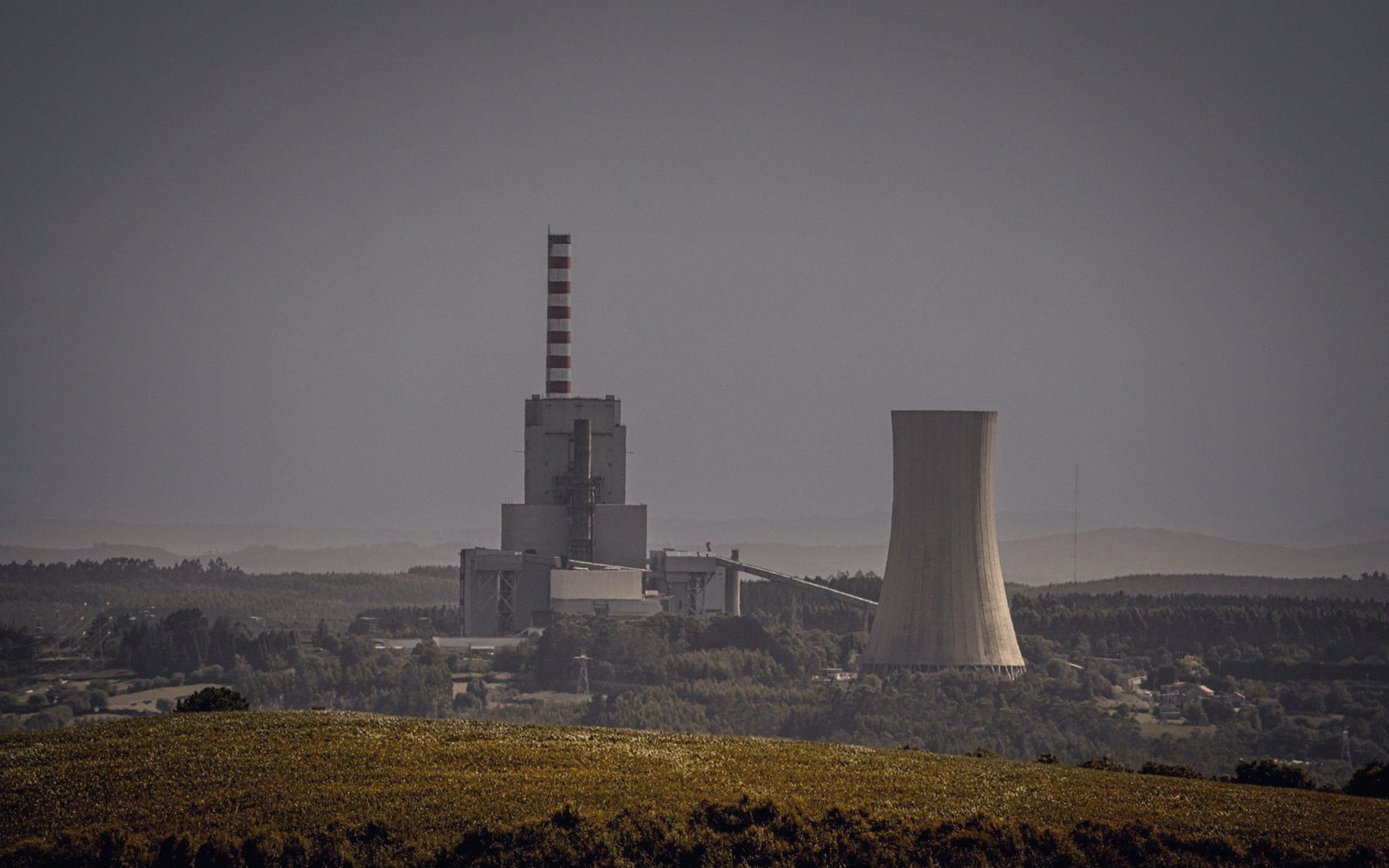
Energy, by contrast, is capacity multiplied by time. A 1 GW plant running flat-out for one hour delivers 1 gigawatt-hour. Running for a thousand hours, it delivers 1 terawatt-hour. The same nameplate, completely different contribution to the grid — and the difference is everything when you are asking whether the lights stay on.
The ratio of actual output to theoretical maximum is called the capacity factor. A combined-cycle gas turbine in Italy, dispatched whenever the system needs it, might achieve a capacity factor of 40–50 percent in a normal year. A ridge wind turbine in the Apennines might average 25–35 percent. A utility-scale solar field in Sicily gets intense sun but only during daylight hours, so its annual capacity factor rarely exceeds 20–25 percent. A geothermal unit at Larderello runs almost continuously, day and night, season to season, and hits 85–90 percent — which is why geothermal is worth so much to a grid despite its modest nameplate figure.
The numbers behind the argument
Why the Confusion Persists
Capacity is what gets announced at a ribbon-cutting. It is the number that fits a press release: large, round, impressive. Energy is what appears on the electricity bill and what the system operator tracks second by second. Reporters and politicians quote capacity; engineers and grid operators argue about energy and hours.
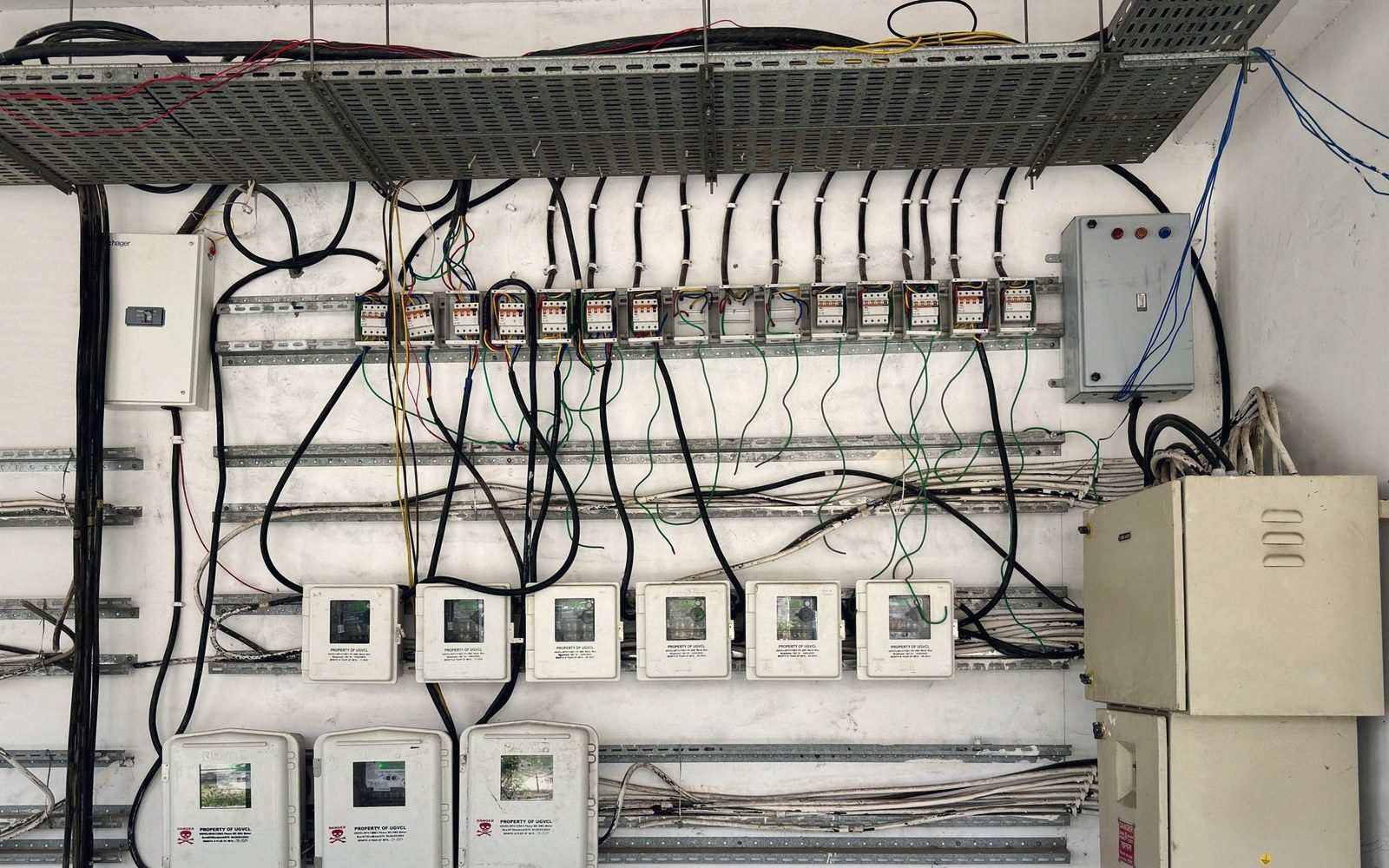
The gap is sharpest with solar. Italy has added solar capacity rapidly, particularly in the south, and the headline numbers are striking. But a panel generates nothing at night and little on a cloudy December afternoon. Add up those missing hours across a year and the actual electricity delivered is a fraction of what the rated capacity, run continuously, would imply. This does not make solar useless — far from it. It means you cannot substitute a gigawatt of solar for a gigawatt of gas and call the job done. The gas plant is available on a January evening at seven o'clock; the solar farm is not.
The same arithmetic explains why coal closures require careful replacement planning. When Italy retired its remaining coal capacity, the capacity figure removed from the system understated the actual generation gap, because coal stations were running at high load factors — delivering energy reliably across thousands of hours per year. Replacing that with an equivalent nameplate in wind and solar replaces the peak rate but not the hours, not the dispatchability, not the contribution at four in the morning.
Every new solar farm, every wind announcement, every coal closure comes with a number in gigawatts or megawatts.
What Capacity Is Actually Good For
None of this makes capacity figures worthless. Peak capacity determines whether the grid can meet maximum demand — the stressed afternoon in August when air conditioning loads spike simultaneously. A system that can call on enough gigawatts at that moment avoids blackouts, regardless of what those gigawatts have been doing all month. Capacity margins, the buffer above expected peak demand, are a genuine and important metric. The system operator, Terna, publishes them and takes them seriously.
But peak adequacy and annual energy supply are two different problems, and conflating them produces bad analysis. A grid can be adequately peaked and still chronically short of energy across the winter. It can have surplus capacity on paper and still need imports across the Alps overnight. Italy has been in both positions at different points in its grid history, and understanding which problem is live at any moment requires looking past the nameplate number to what actually runs, for how long, and when.
Installed capacity is the start of the question. Energy — hours, load factors, dispatch patterns — is the answer.