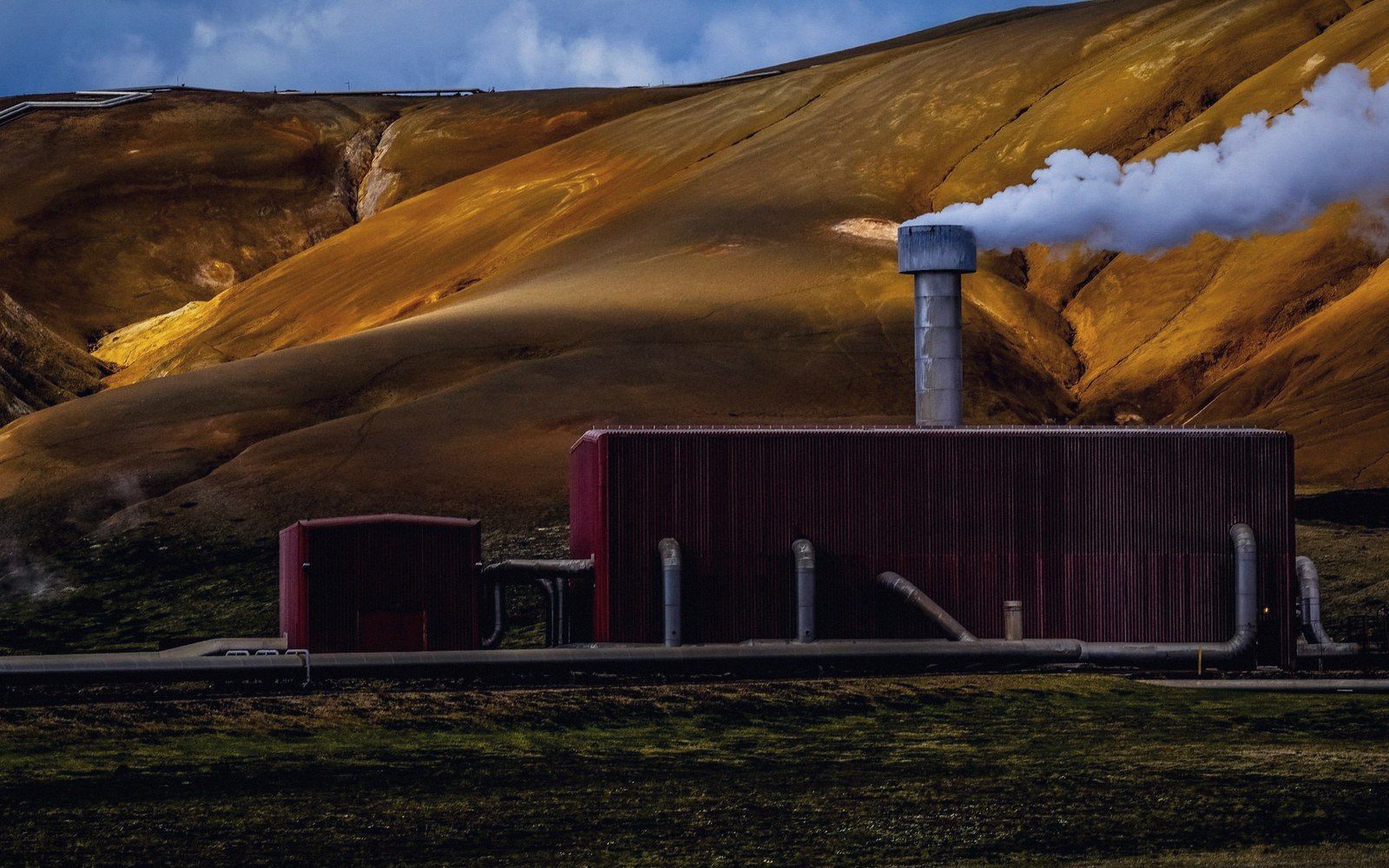
The romantic image of geothermal energy is steam rising from the Tuscan hills. The engineering reality is more interesting: a dense arrangement of valves, separators, scrubbers and pipes that take a chaotic mixture of superheated fluid from a fracture in the earth and turn it into something a turbine can use without destroying itself. The wellhead is where that conversion begins.
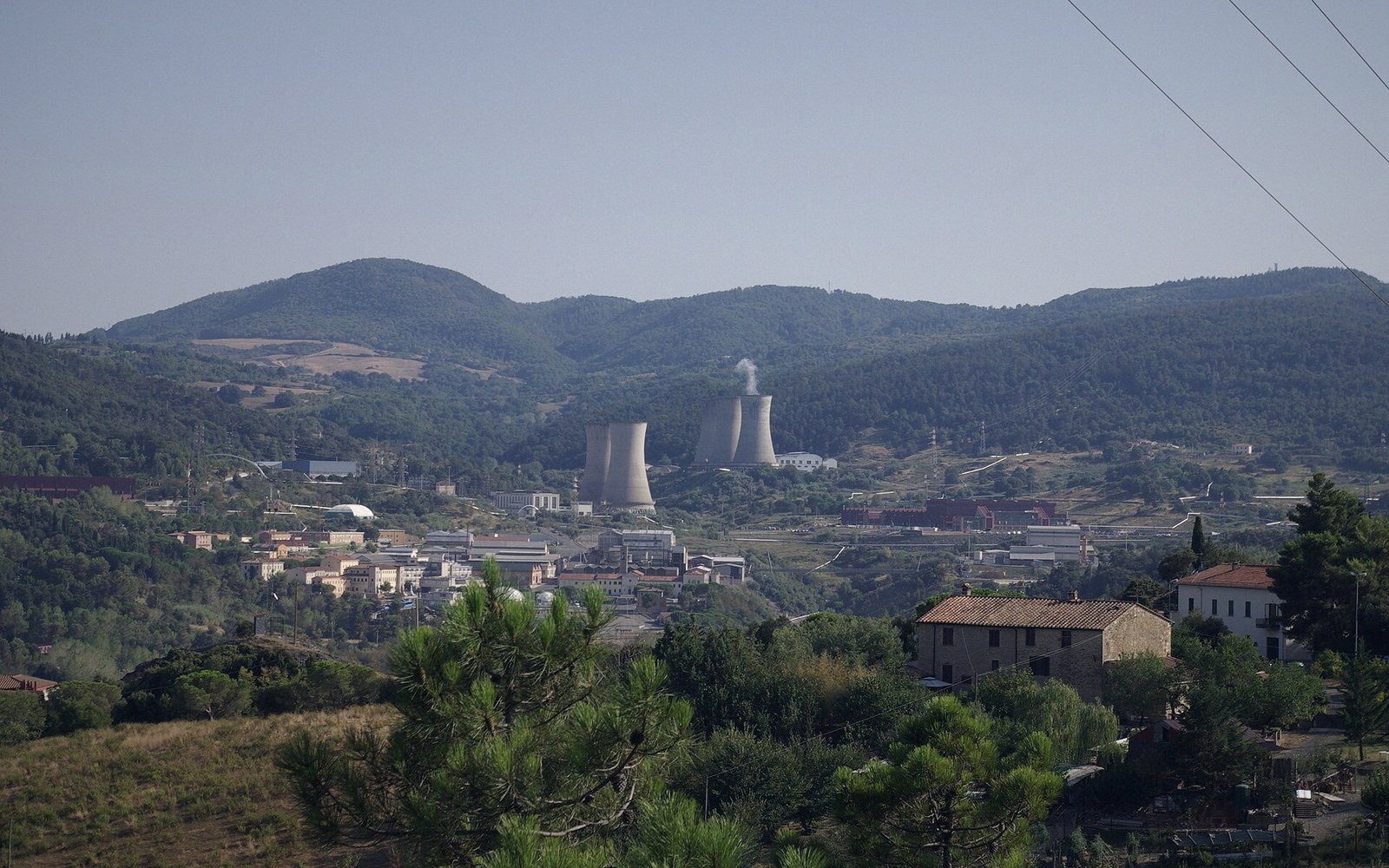
Fluid rising from a geothermal reservoir arrives at the surface under its own pressure — the rock above it has been compressed for millennia, and the pressure gradient drives the flow upward without pumping. At Larderello, Italy's main production field in Tuscany, the reservoir fluid is predominantly dry steam, which is unusual; most geothermal fields worldwide produce a mixture of steam and hot brine. Either way, the fluid reaches the wellhead at temperatures well above 150 °C and at pressures that would destroy an uncontrolled connection to the atmosphere.
The wellhead's first job is control. A Christmas tree — the industry name for the valve assembly bolted to the top of the casing — allows operators to regulate flow, shut the well in an emergency, or close it entirely for maintenance. These are not exotic components: they are heavy-duty valves of the kind used in oil and gas production, adapted for the corrosive chemistry of geothermal brines and steam. Hydrogen sulphide, carbon dioxide and trace heavy metals travel with the fluid, and every fitting downstream must be specified to tolerate them.
Once past the Christmas tree, the fluid enters separation. Even in a nominally dry-steam field like Larderello, some liquid fraction — condensate, dissolved minerals — accompanies the steam. A centrifugal separator spins the flow, throwing the liquid fraction outward while letting steam continue axially toward the turbine. The liquid that falls out carries silica and other minerals that would, if they reached the turbine blades, deposit and erode them. Separation is not optional; it is the step that protects the machine downstream from what the earth sends up.
The separated steam still contains non-condensable gases, mainly carbon dioxide and hydrogen sulphide. These gases do not condense in the turbine's condenser the way steam does, so if they accumulate they raise the condenser pressure and reduce the turbine's ability to expand steam across its pressure ratio — which directly cuts output. Gas extraction systems, typically vacuum ejectors or compressors, pull the non-condensables out of the condenser continuously. At Larderello's plants, the hydrogen sulphide extracted this way is processed through AMIS — the abbattimento mercurio e idrogeno solforato (mercury and hydrogen sulphide abatement) system — before release, a requirement that has shaped the field's environmental compliance for decades.
Only after separation does steam reach the turbine stop-valves. These are the final gatekeepers: large, fast-acting valves that can isolate the turbine from the steam supply in milliseconds if a fault is detected. Beyond them, the steam expands through the turbine stages, transferring its enthalpy to the shaft, which drives the generator. The turbine exhaust — now low-pressure, wet steam — passes into the condenser, where cooling water or a cooling tower collapses it back to liquid. That condensate is collected and, in the Larderello system, returned to the reservoir through injection wells rather than discharged, which preserves the resource and reduces surface water use.
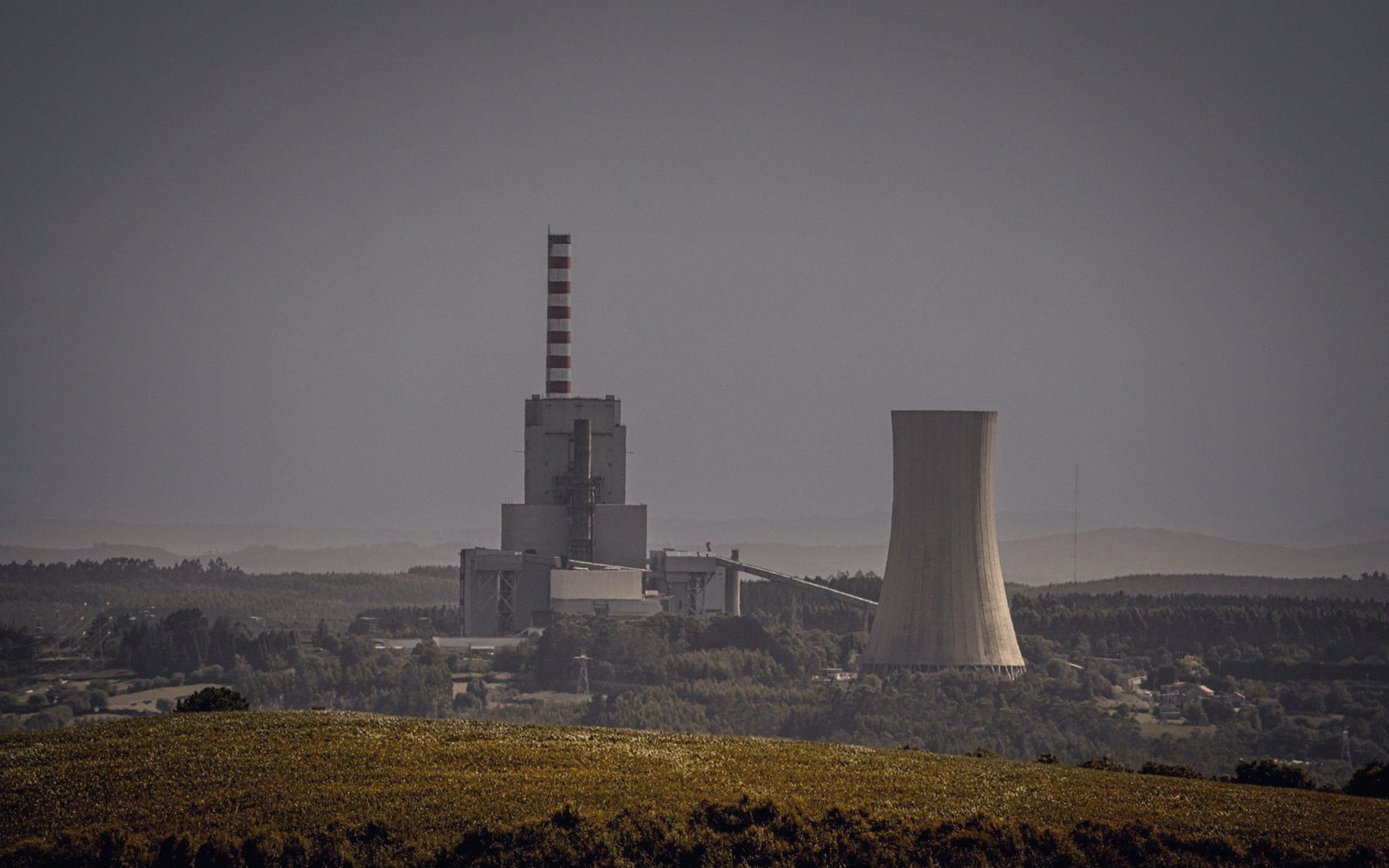
The entire circuit from wellhead to condenser return is closer in spirit to an industrial process plant than to a power station in the conventional sense. There is no fuel delivery, no combustion chamber, no flue — but there is continuous chemistry management, a corrosion regime that the operators watch daily, and mechanical wear on components that live inside a flow of mineral-laden fluid. The geothermal field at Larderello has been generating since 1904, and the accumulated knowledge of how to keep these plants running is as much metallurgical and chemical as it is electrical. The wellhead is the first piece of plumbing in a chain that spans kilometres underground and ends at the grid connection. Getting that plumbing right is what makes the electricity.