The Accident of Geology
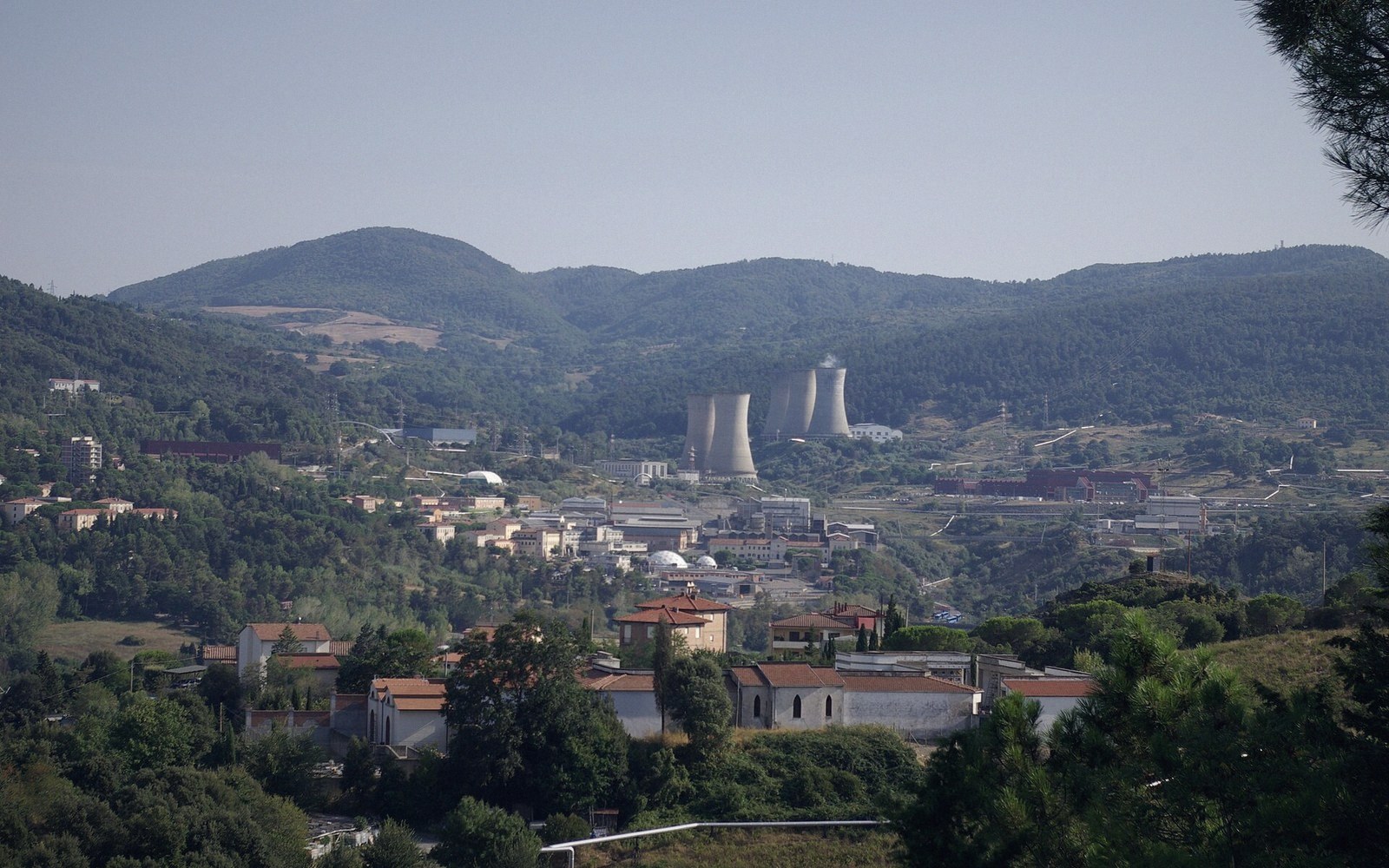
There is a patch of Tuscany, roughly centred on the town of Larderello in the province of Pisa, where the Earth's crust is thin enough, and the magmatic intrusions beneath shallow enough, that superheated steam rises through fractured rock and accumulates in reservoirs close to the surface. This is not a metaphor. The soffioni — the natural steam vents that gave the area its industrial history — have been issuing scalding vapour for centuries. Locals boiled boric acid from the condensate. The smell of hydrogen sulphide hangs in the air. The landscape is pale and lunar, bleached by mineralised water and the slow work of geochemical alteration.
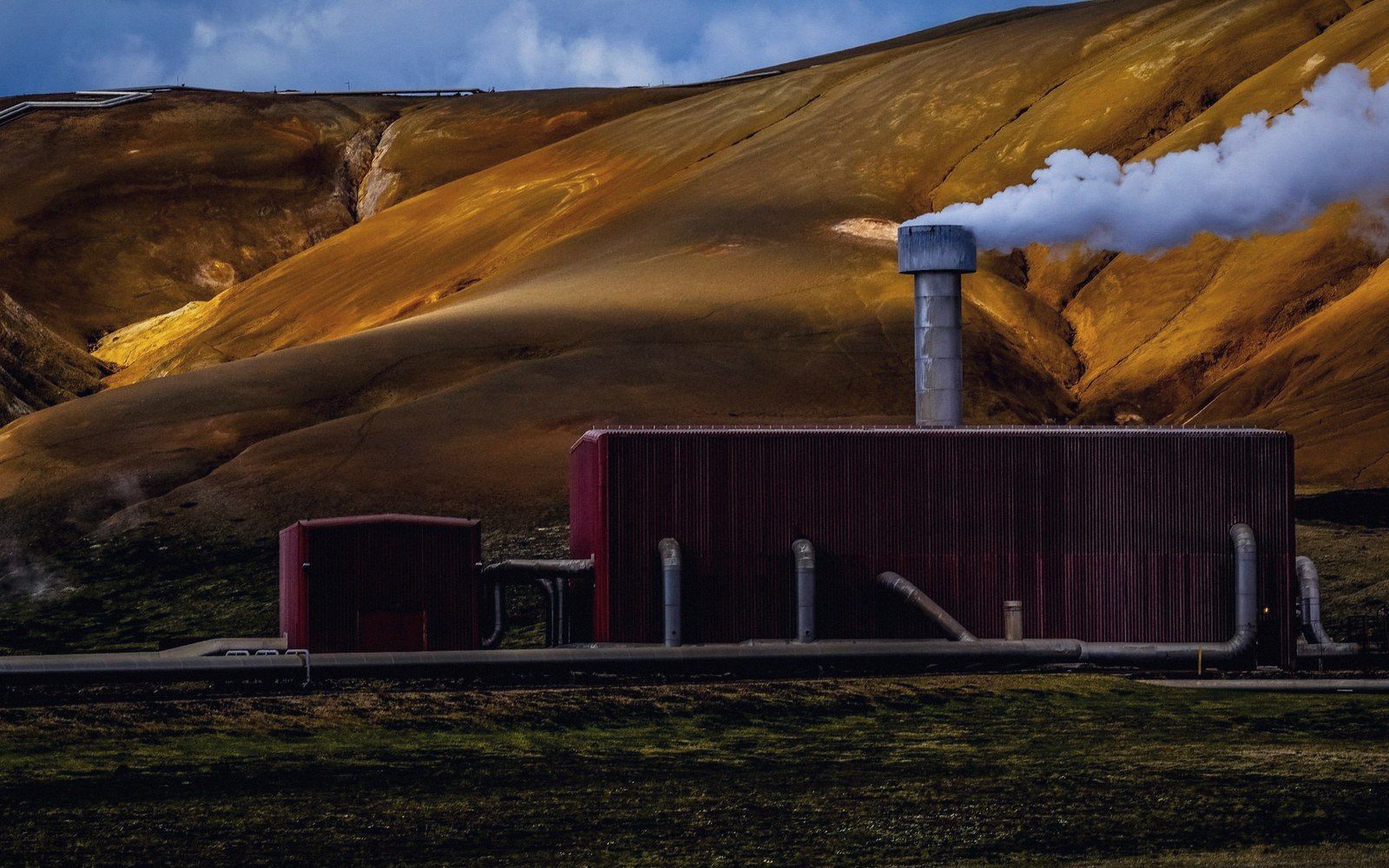
What sits beneath Larderello is a dry-steam field, one of only a handful confirmed anywhere on the planet. The distinction matters enormously. Most geothermal resources produce a mixture of hot water and steam under pressure; when that fluid reaches the surface and pressure drops, some of it flashes to steam, but the process is messier and the energy density lower. A dry-steam field delivers steam directly — no flash tank, no liquid separation, none of the scaling and corrosion problems that hot brine imposes on every wetted surface. You drill, you pipe, you spin a turbine. The engineering is comparatively clean.
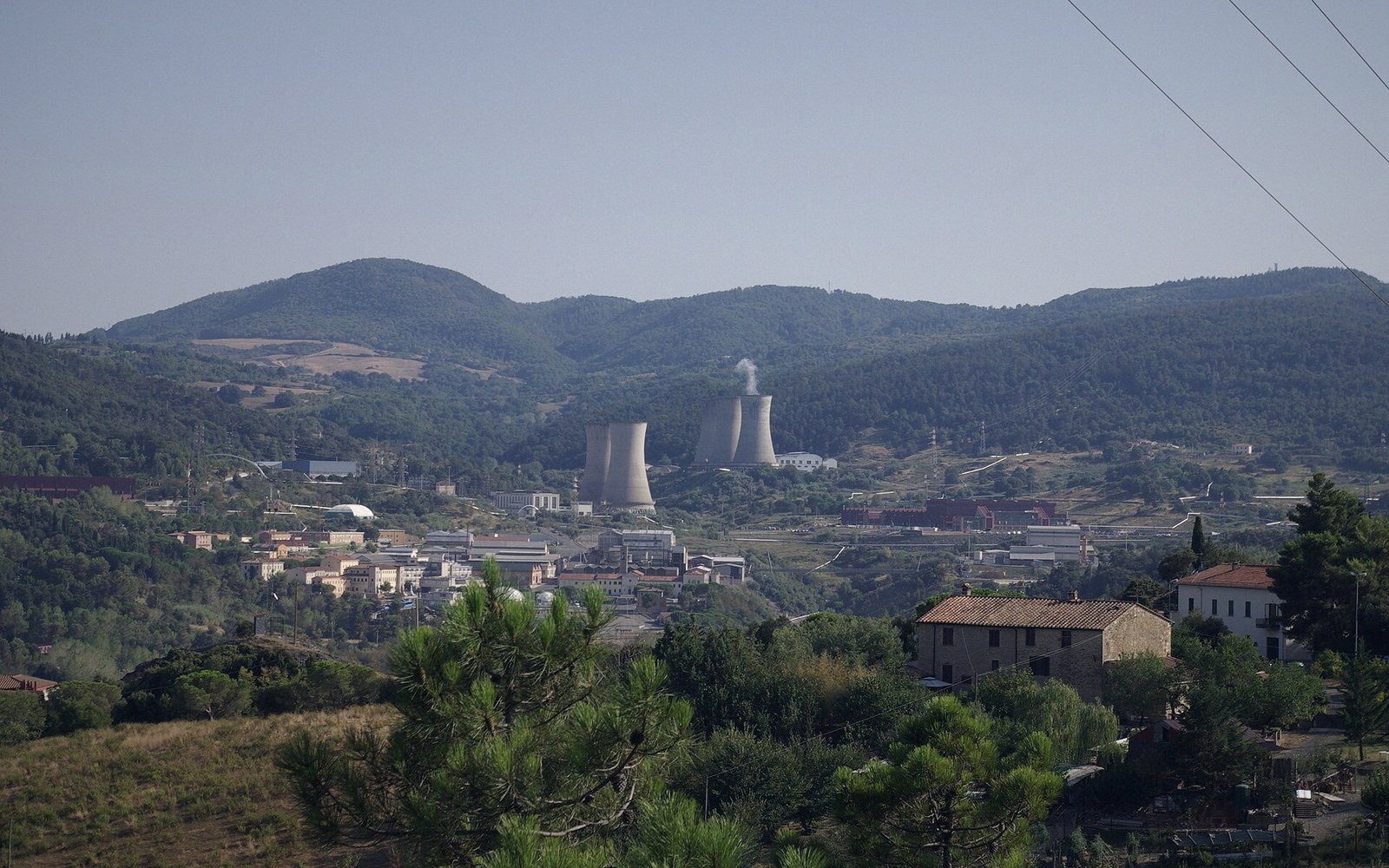
The geology that creates a dry-steam field requires a specific coincidence: a heat source close enough to the surface to vaporise groundwater entirely before it can pool, permeable fractured rock that allows steam to migrate and collect, and an impermeable cap rock that holds pressure until a well punches through. At Larderello, all three conditions are met by a buried granite intrusion that re-melted surrounding limestone and schist, leaving a fractured, hydrothermally altered reservoir beneath a seal of clay-rich rock. The reservoir sits at depths that varied historically between a few hundred metres and, in more recent deep wells, several kilometres — deeper drilling from the 1970s onward opened a second, hotter productive zone that substantially extended the field's life.
The First Watt
On 4 July 1904, Piero Ginori Conti connected a small reciprocating engine fed by natural steam from the soffioni to a dynamo and lit four light bulbs. It was a demonstration, not a power station, but it was unambiguously the first time geothermal steam had generated electricity anywhere on Earth. The larger, more serious step came in 1911, when the first proper geothermal power plant began operation at Larderello — again a world first — delivering power commercially, initially to the local boric acid industry and then, as capacity grew and a transmission line was built, to the regional railway system. By the time the Second World War ended and Italian industry began its postwar reconstruction, Larderello was already a mature industrial field with decades of operational knowledge embedded in its workforce and infrastructure.
Key numbers and dates
The field was nationalised in 1962 when Italy created ENEL, the national electricity utility, as part of the same legislation that brought the whole Italian electricity sector under public ownership. Larderello became an ENEL asset, and it remains operated by Enel Green Power — ENEL's renewables subsidiary — to this day. The continuity of ownership and management over more than a century is itself unusual, and it has allowed systematic long-term monitoring of reservoir behaviour that is rare in the geothermal industry globally.
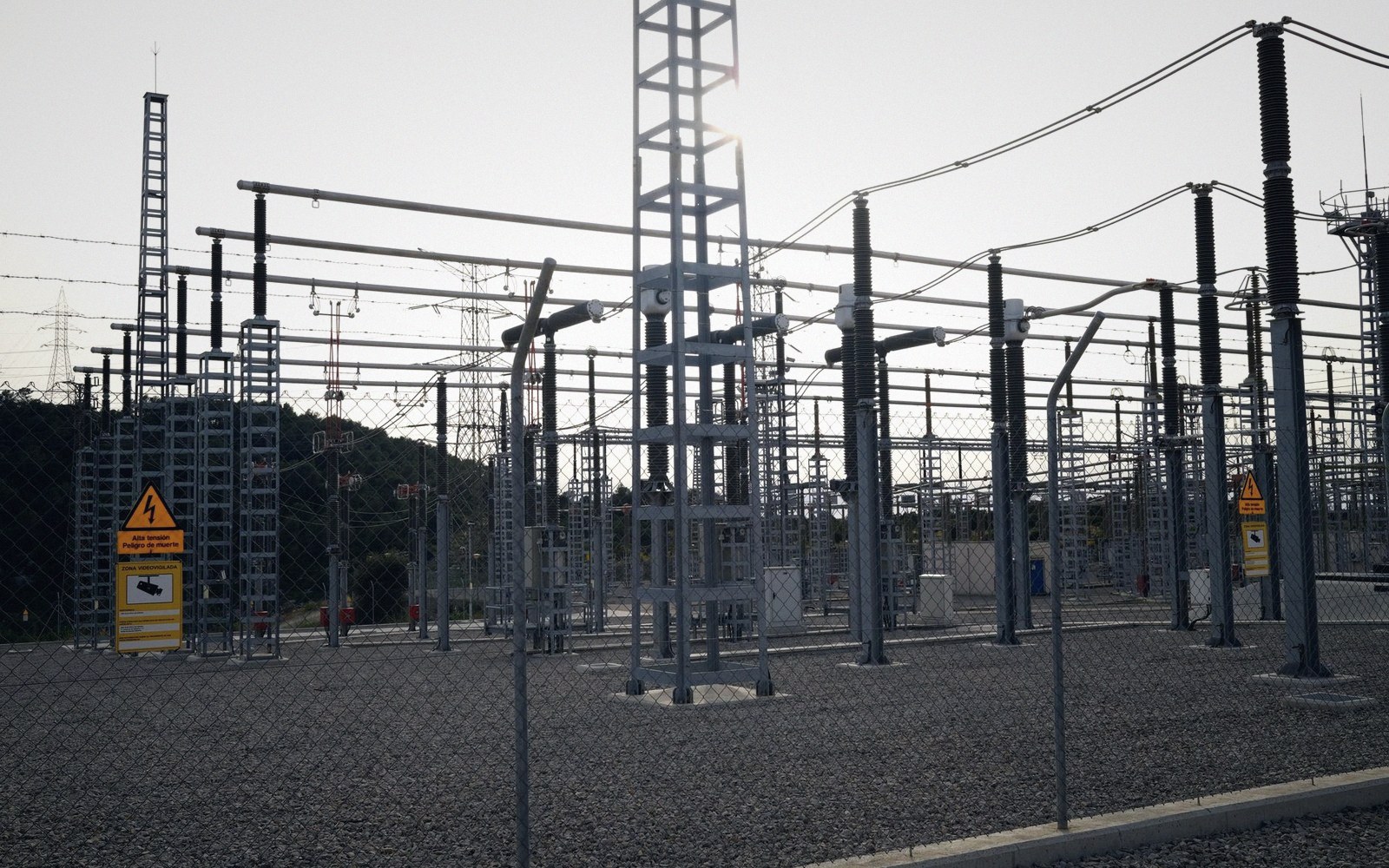
Today, the installed generating capacity across the Larderello field and the adjacent Monte Amiata and Travale-Radicondoli fields — all part of the same broader geothermal province in southern Tuscany — is around 900 megawatts. Annual output runs to roughly 6,000 gigawatt-hours, making this single cluster of fields responsible for nearly all Italian geothermal electricity and covering something above two percent of national demand. Because geothermal runs all night, that output is flat, continuous, and largely indifferent to weather — characteristics that make those gigawatt-hours worth considerably more to the grid than the same number of gigawatt-hours from a source that only appears when the sun shines.
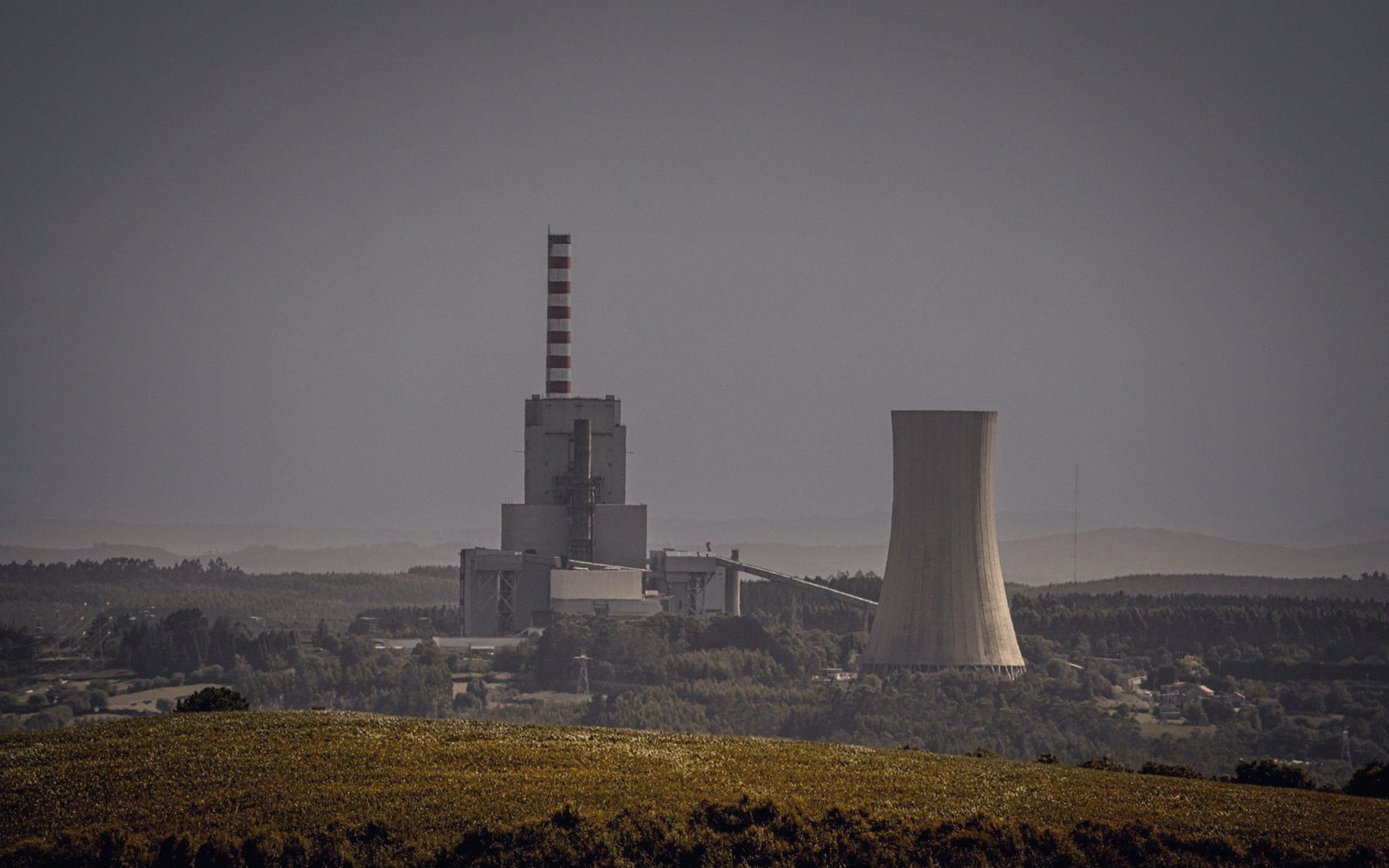
Wells, Steam, and Why the Field Did Not Shrink
Managing a dry-steam reservoir is not a matter of drilling and walking away. Steam extraction removes mass from the reservoir, and if withdrawal rates outpace natural recharge, pressure falls and output declines. At Larderello, production began outrunning natural recharge by the mid-twentieth century, and reservoir pressure dropped measurably across several decades of intensive extraction.
The response was reinjection: returning the condensate — the water that forms when spent steam cools in the condenser — back into the reservoir via dedicated injection wells. Returning condensate to the reservoir sustains pressure, extends field life, and eliminates the need to dispose of mineralised water at the surface. At Larderello, reinjection now returns a substantial fraction of extracted mass to depth. The result is a field that, while not behaving identically to its early-twentieth-century self, has maintained broadly stable aggregate output for decades — a performance that was far from guaranteed when the practice began.
What sits beneath Larderello is a dry-steam field, one of only a handful confirmed anywhere on the planet.
Individual wells are managed carefully. Steam wells are periodically shut in to allow local pressure recovery. New wells, including some directionally drilled to reach parts of the reservoir not accessible vertically, are brought into service as others decline. The second productive horizon, accessed from the 1970s onwards at depths of several kilometres, is hotter and higher-pressure than the shallower reservoir, and it has underpinned a modernisation of the generating fleet with larger, more efficient turbines. The power stations themselves have been rebuilt or substantially refurbished multiple times; very little of the physical plant running today resembles the structures in century-old photographs, even as the field beneath them remains continuous with what Ginori Conti tapped in 1904.
Why Larderello Stayed Unique
The technology demonstrated at Larderello did not spread the way hydroelectric or fossil-fuel technology spread, because the geology did not spread. There are other geothermal fields in the world — in Iceland, New Zealand, the western United States, Indonesia, Kenya — but dry-steam fields of Larderello's character are extraordinarily rare. The Geysers in California is the only dry-steam field of comparable scale; smaller examples include Matsukawa in Japan and Kamojang in Indonesia. Everywhere else, geothermal development requires flash or binary-cycle technology to work with mixed-phase fluids or lower-temperature resources, and the economics are considerably harder.
The implication for energy policy is worth stating plainly: geothermal electricity at Larderello's scale and quality is not replicable by choosing to replicate it. It exists because of a specific geological event — a shallow magmatic intrusion in a region of crustal extension — that happened to occur beneath a piece of Tuscany and not beneath Milan or Munich. Italy's geothermal advantage is a geological inheritance, not a policy achievement. What policy has done is operate and maintain that inheritance, drill it systematically, and keep it producing. That, in a system increasingly reliant on weather-dependent sources, is more valuable than it has ever been.