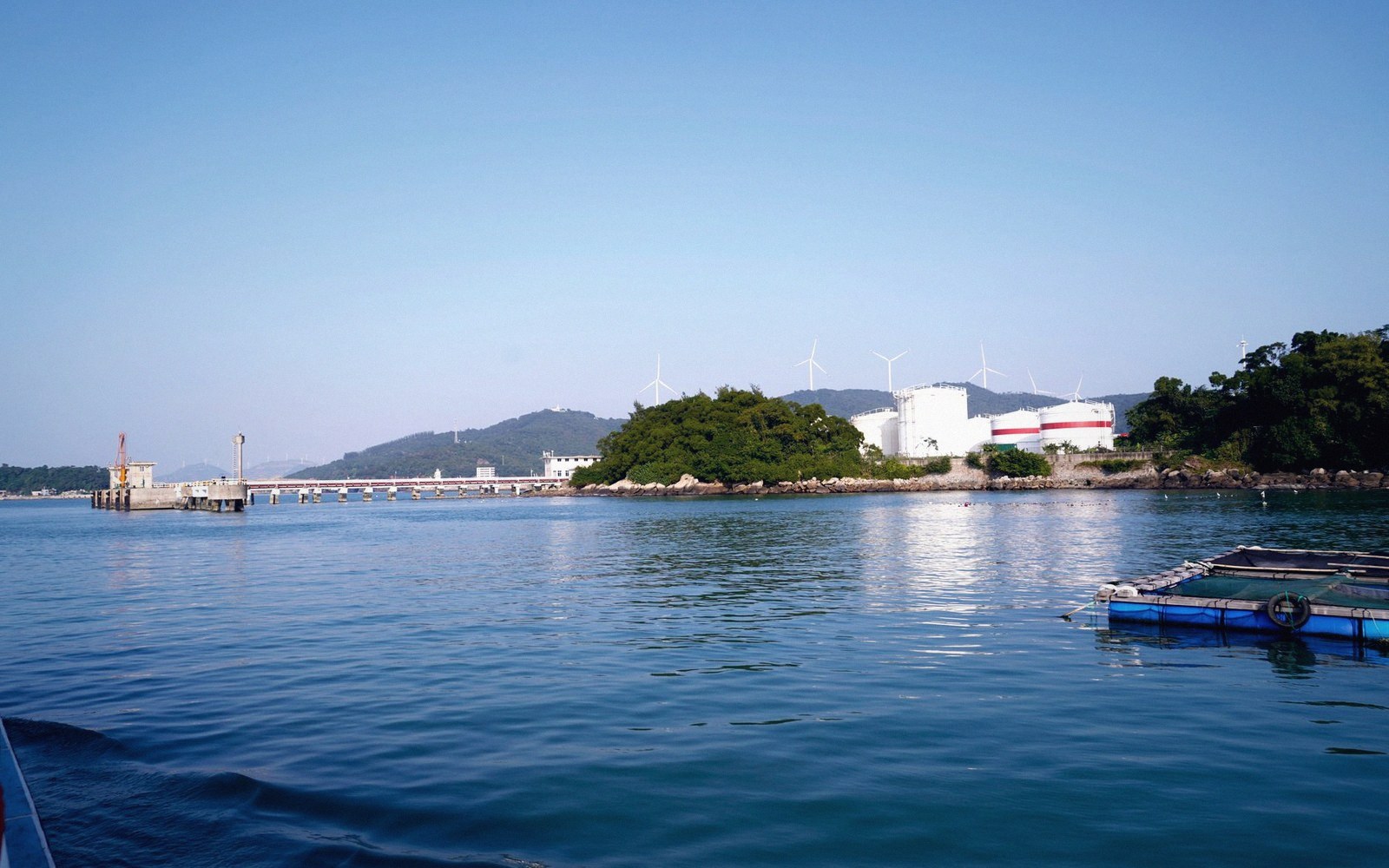
Islands Show You What Connection Is Worth
The Italian mainland's grid is a mesh: generation and demand are knitted together across hundreds of kilometres of overhead line, and a fault on one path reroutes power across another. Sicily and Sardinia cannot do that. Each island is connected to the continental system by a single high-voltage direct-current cable, and outside that cable there is only ocean. The constraint is not political or administrative — it is physics and geography, made visible.
Sicily is linked to the mainland by interconnectors across the Strait of Messina to Calabria, at the toe of Italy. Sardinia's primary umbilical to the mainland is SAPEI — Sardegna–Penisola Italiana — a 420-kilometre high-voltage direct-current submarine cable with a transfer capacity of around 1,000 megawatts, commissioned in 2010. That number sets an absolute ceiling on how much power the island can import in any hour. When wind and solar output is high and local demand low, it also sets the ceiling on exports. Generation above the cable's capacity has nowhere to go.
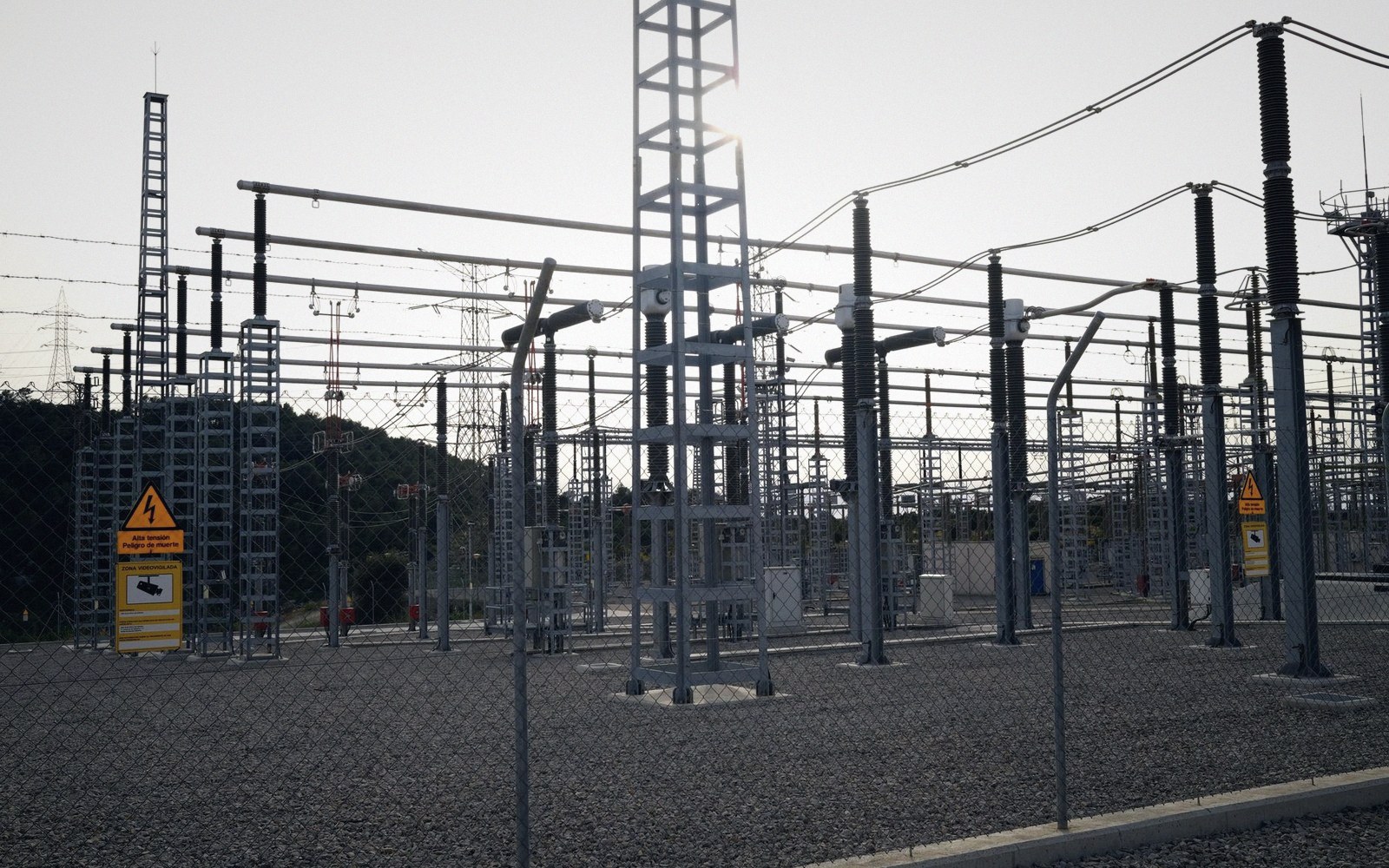
Both islands generate from renewable sources in significant quantities. Sardinia has substantial wind capacity, concentrated in the island's windy centre and south, and growing solar. Sicily has strong solar irradiance — among the highest in Italy — and wind farms on its western ridges. On a bright, breezy spring afternoon, combined renewable output on either island can approach or exceed local demand. The surplus cannot be absorbed; it must be curtailed. Curtailment — the forced switching-off of generators whose power the system cannot use — is a structural feature of island operation, not an edge case.
The flip side is equally constraining. Evening demand, when solar output falls, must be covered by dispatchable generation on the island itself or by imports up to the cable's limit. Both islands still operate gas-fired plant for exactly this reason: thermal capacity that can run regardless of weather provides the security margin that a thin cable connection cannot guarantee alone. Neither island can rely on the mainland the way Lombardy can rely on a hydro-heavy Alpine north or on power flowing from France.
There is a major reinforcement in planning and construction — Tyrrhenian Link, a project to add two new HVDC cables linking Sardinia and Sicily to the mainland, with capacity around 1,000 MW per link. When completed, the additional capacity will ease curtailment, lower the risk of islanding — the condition where a fault isolates the island from continental supply entirely — and allow more renewable generation to reach mainland consumers rather than being wasted. Until then, the constraint is real and the economics reflect it: electricity prices on the two islands have historically diverged from the mainland, because local scarcity and surplus cannot easily be arbitraged away.
Sardinia adds one further complication that is now resolving: it had coal-fired plant at Portovesme and Sulcis, part of Italy's broader closure programme. Removing that baseload without an adequately reinforced cable required careful sequencing — the capacity needed to exist on the island until the renewable and storage alternatives could credibly replace it.
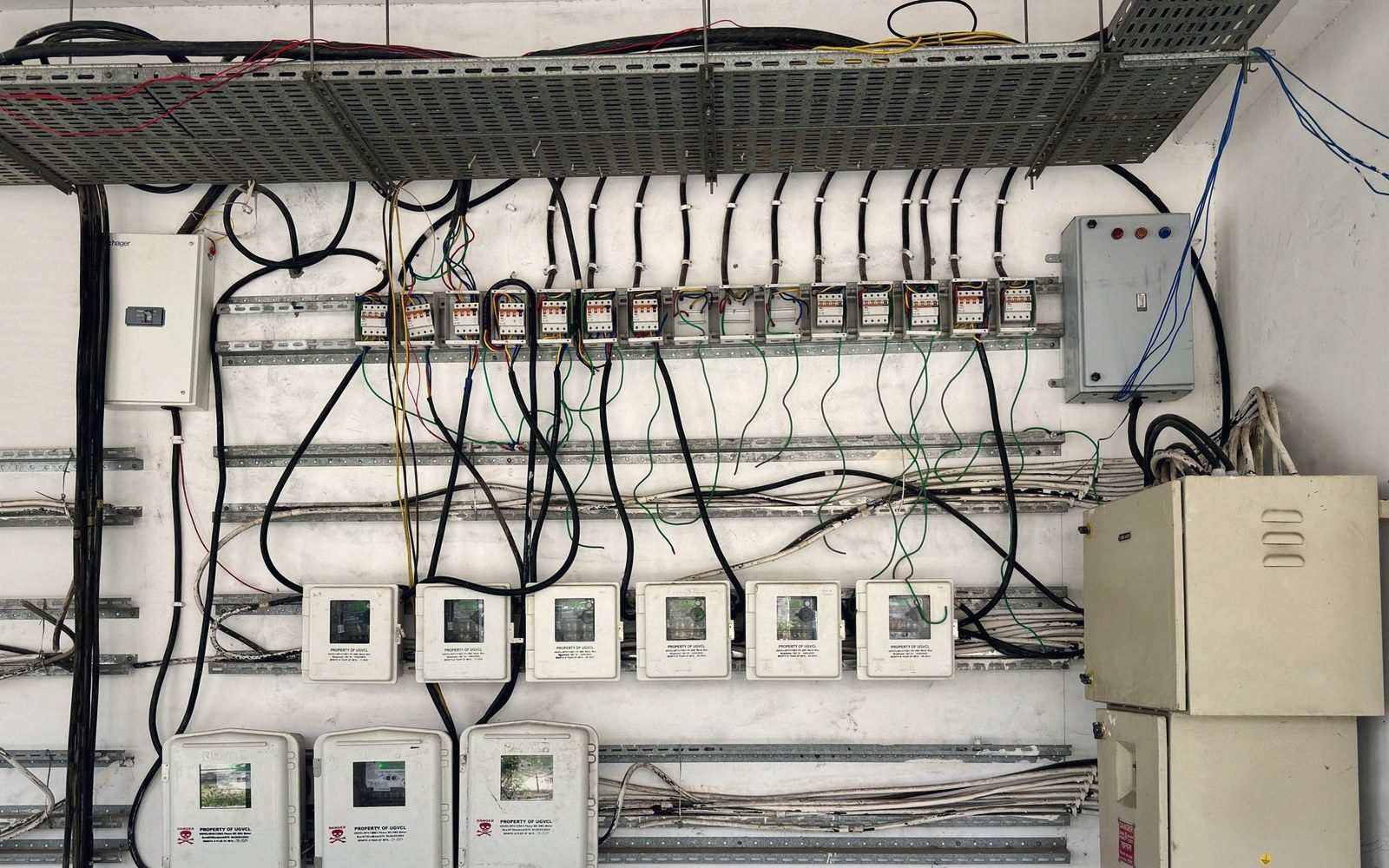
What the islands demonstrate, more plainly than any textbook diagram, is the physical reality of a grid. Connection is not a convenience or a market preference; it is the mechanism by which surpluses and deficits in different places cancel each other out. Strand a system behind a single cable and every imbalance is local, every shortage is real, and every megawatt of curtailment is a resource already built and then wasted.