The Night Has a Floor
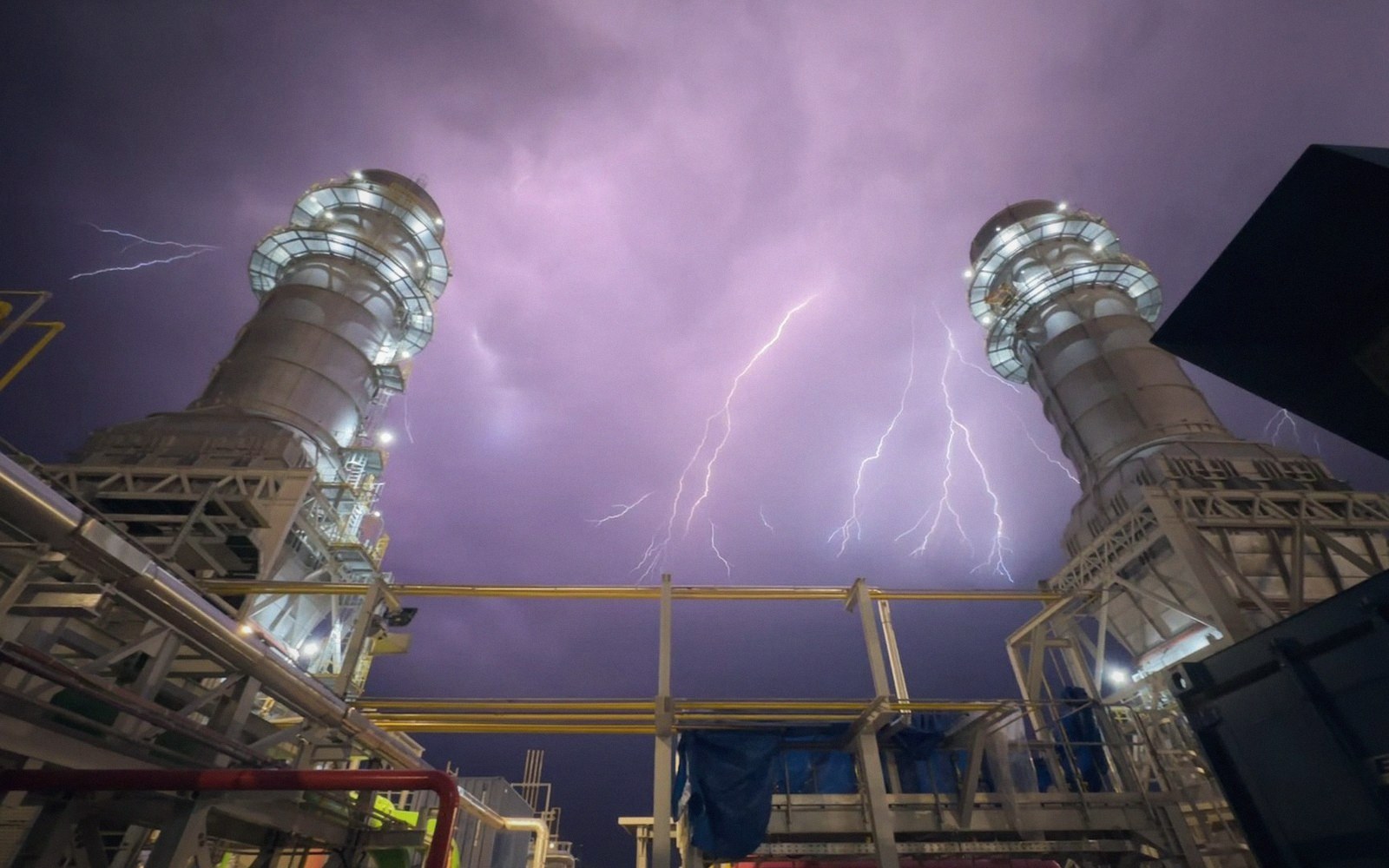
Demand does not go to zero at four in the morning. It drops — substantially, relative to the evening peak — but the floor of consumption is higher than most people imagine. Hospitals stay lit and temperature-controlled. Data centres run at near-full load around the clock. Steel mills on continuous production cycles draw steady, enormous current. The chemical plants along the Po Valley and in Sardinia's Sarroch industrial zone do not pause for the night. Add the trains running on overnight freight schedules, the pumping stations keeping city water pressure up, and the refrigeration load in cold-storage warehouses, and the result is a demand level that Italy must meet reliably at 04:00 every morning of the year regardless of season.
That floor — on a mild night in spring or autumn, when neither heating nor cooling adds to it — sits somewhere between 22 and 27 gigawatts depending on the night. In the coldest winter hours it can rise noticeably higher. The number changes; the problem it poses does not. Whatever is on the system must cover it with enough margin that any single generator tripping off-line does not collapse frequency. The grid operator, Terna, runs the system to hold frequency at 50 hertz within a tolerance of a few tenths of a hertz, and deviating outside that range is not a minor event. Meeting the 04:00 floor, and meeting it with the required spinning reserve on top, is the minimum credible test of Italy's generation mix.
What Is Actually Running
At four in the morning there is no solar generation anywhere on the Italian system. That is not an intermittency problem — it is geometry: the sun is below the horizon. Italy has installed roughly 30 GW of photovoltaic capacity, a figure that is growing quickly and will grow further, but zero of those watts contribute to the overnight floor. This is not a criticism of solar; it is a physical description that has to be part of any honest accounting.
Wind is running, but variably. Italy's wind capacity — concentrated on the Apennine ridges and in Sicily and Sardinia — produces something at nearly all hours, but not the same amount two nights in succession. A calm anticyclonic night in July may yield only a fraction of the system's installed wind capacity; a frontal system pushing through Calabria may yield close to nameplate. The contribution is real but cannot be scheduled in advance with the same confidence as a fuel-burning plant. On an average overnight hour, wind might cover three to five GW nationally, but the operator cannot rely on that figure — only on the minimum it models as statistically dependable.
What is reliably running at four in the morning is a combination of three sources: combined-cycle gas turbines, Alpine hydro storage, and Tuscan geothermal.
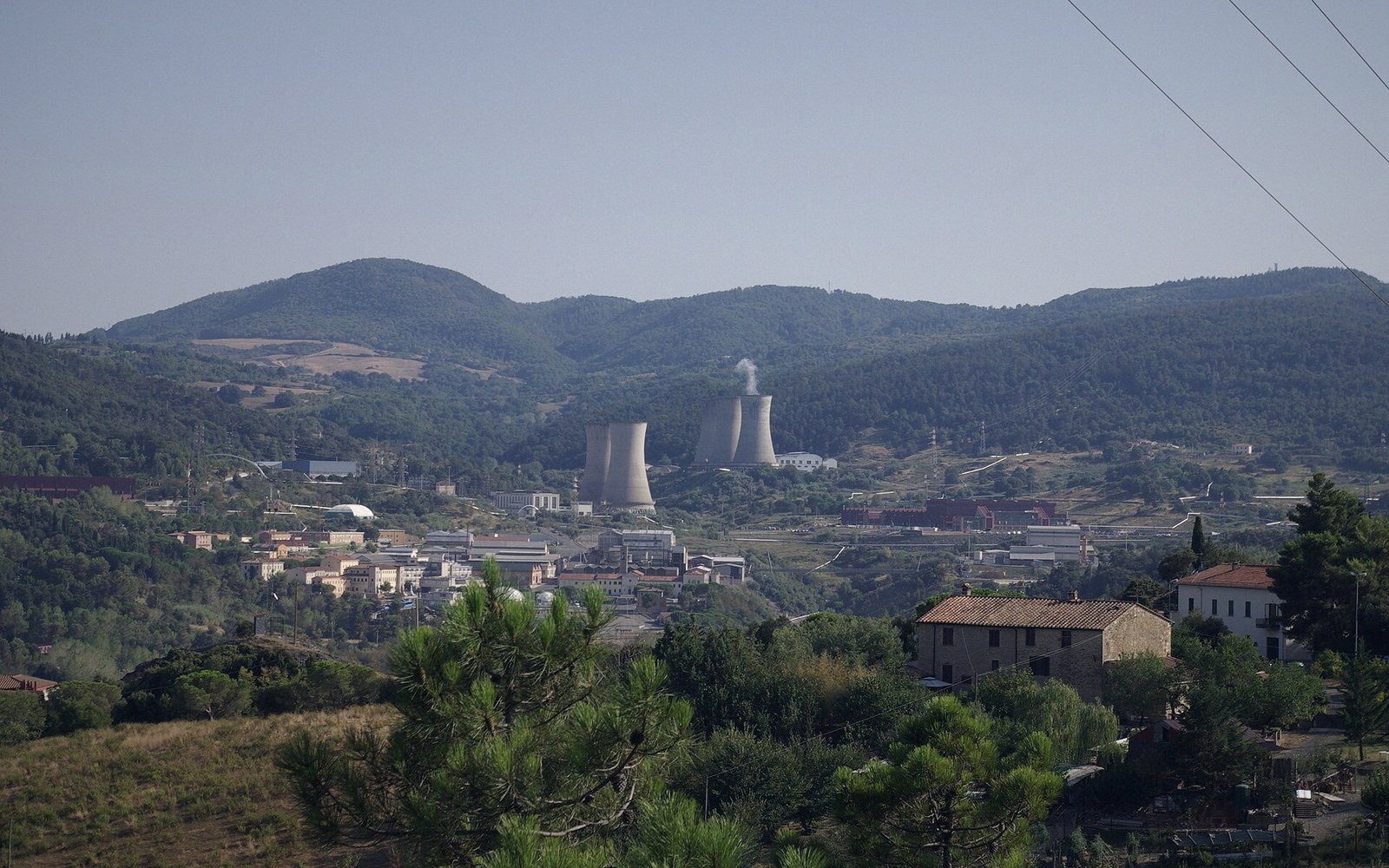
The geothermal plants in the Larderello and Amiata fields produce roughly 800 megawatts continuously, day and night, summer and winter, with availability rates that exceed most thermal plant. They do not bid into the market hour by hour; they simply run. That 800 MW is quiet, constant and structurally important — small relative to total demand but entirely uncorrelated with the weather above ground.
Alpine pumped storage and reservoir hydro is the flexible complement. The large reservoirs in the Val d'Aosta, Valtellina and across the arc of the Alps can release water and generate at relatively short notice, making them ideal for responding to a shortfall or covering the period between predawn and sunrise. Pumped storage in particular is the mechanism that lets wind and solar generated at other hours be physically stored and returned as nighttime generation — the round-trip is imperfect, but the conversion is real. Reservoir output can be throttled precisely; it carries genuine inertia into the grid through its rotating turbines.
The dominant source, however, is still gas. Combined-cycle gas turbines are what Italy leans on to fill the gap between what hydro and geothermal provide and what the overnight floor requires. These plant are running at four in the morning because they were dispatched into economic and technical merit order by Terna's day-ahead and intraday markets, because they offer both the energy and the operating reserve the system needs, and because no cheaper alternative currently exists to do the same job at scale. They are fast — a large combined-cycle unit can ramp several hundred megawatts in minutes — and they are flexible in a way that baseload nuclear never was. For the Italian system as it currently stands, gas is not a transition fuel in the rhetorical sense; it is a structural foundation that the overnight hours make visible.
That floor — on a mild night in spring or autumn, when neither heating nor cooling adds to it — sits somewhere between 22 and 27 gigawatts depending on the night.
What Changed, and What Has Not
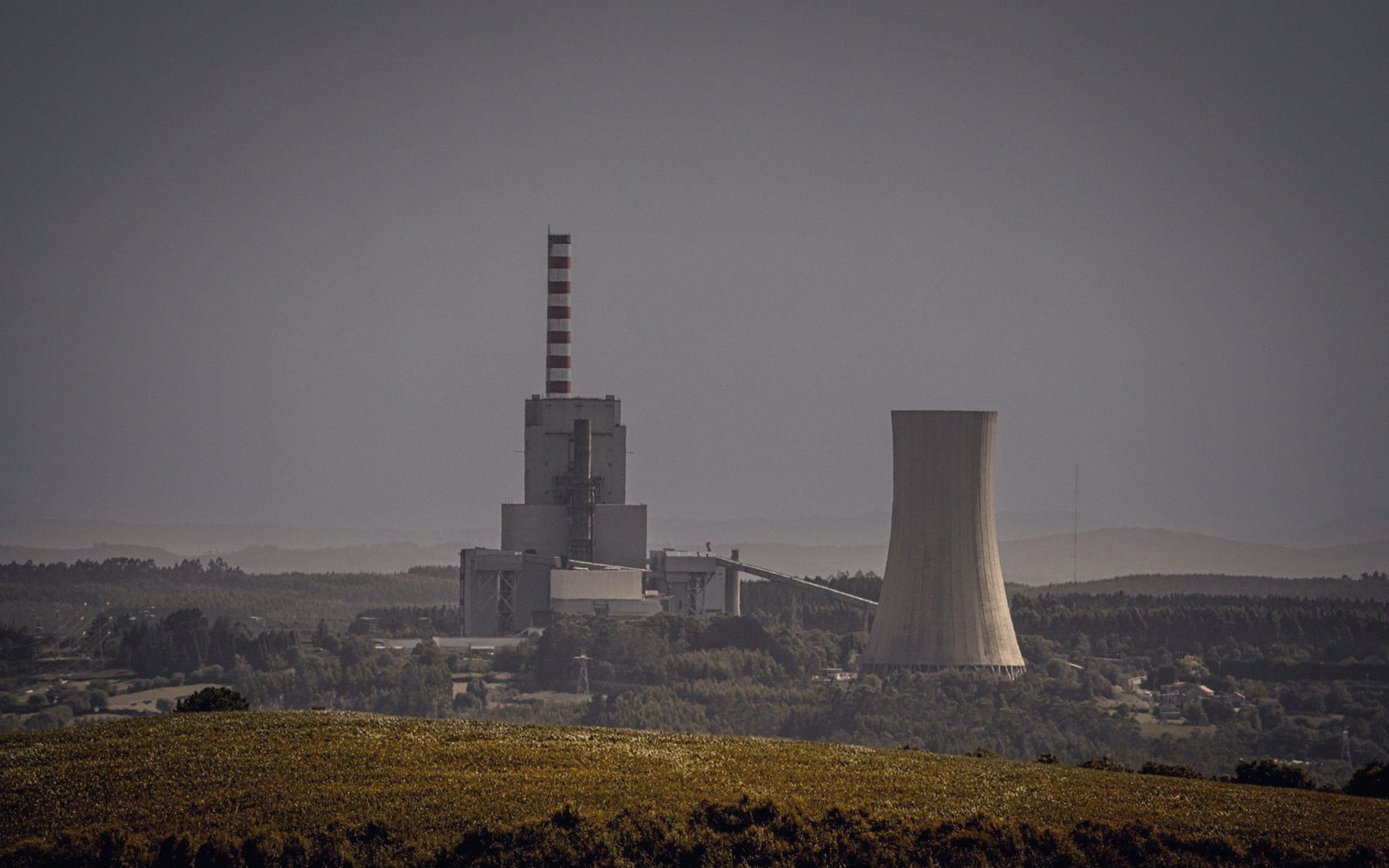
Coal mattered here too, until recently. Italy operated coal-fired plant at Civitavecchia (north of Rome), Brindisi in Apulia, Fusina near Venice, and Portoscuso in Sardinia, among others. These were largely baseload units: slow to ramp, cheap on marginal cost when fuel was cheap, and active through the night because they were expensive to stop and restart. The closure of most Italian coal capacity — a process that accelerated sharply after 2020 and is now substantially complete on the mainland — removed a significant block of inertia and overnight generation from the system. The megawatts were replaced partly by additional combined-cycle gas capacity and partly by the growth of renewable capacity, which altered the shape of the daytime generation stack without fundamentally changing the overnight answer.
What the coal closure did not change is the four-in-the-morning question. Removing a slow, high-carbon baseload source and substituting it with faster, lower-carbon gas moved the system in the right direction. It did not make the overnight floor smaller. Demand has grown modestly overall and will grow more sharply as electrification of transport and industrial heat adds load. The renewable gigawatts installed over the same period that coal closed are mostly solar — maximally useful in the hours the overnight floor does not need them. The gap remains, and gas fills it.
Key numbers
The Honest Measure
The 04:00 floor is the test that targets and headline capacity figures cannot pass for you. Italy has installed over 60 GW of renewable capacity if you count solar, wind, and hydro together. That figure is real and it matters — but it answers a different question than the one the grid poses at night. Capacity is not the same as energy, and energy available only when the sun is shining or the wind is blowing is not available at four in the morning.
An honest assessment of any electricity system's transition runs something like this: look at the overnight minimum demand, look at what sources are actually dispatched to meet it, and look at how that mix changes year by year. By that measure, Italy has made genuine progress — coal is largely gone from the mainland system, geothermal is stable, hydro remains valuable, and renewable penetration during daylight hours is substantial and growing. But by that same measure, gas is still carrying the overnight load, and whatever replaces it — long-duration storage, more interconnection with neighbouring systems, green hydrogen in turbines, demand shifting — has not yet arrived at the scale the floor requires.
That is not reassurance. It is a description. Four in the morning is when the grid shows you what it actually runs on.