The Plants That Burned Coal
Italy never built coal generation on the scale of Germany or Poland, but the stations it did build were large, old, and coastal — sited to receive imported fuel by ship rather than mined from any domestic seam. By the early 2020s the fleet had already shrunk considerably from its peak, but the remaining plants were still significant: Porto Tolle on the Po delta in Veneto, Fusina near Venice, Brindisi Sud in Puglia, Fiume Santo in Sardinia, and Torrevaldaliga Nord at Civitavecchia, north of Rome. Together they represented several gigawatts of capacity — not dominant on a 60 GW-plus system, but meaningful in specific regions and, critically, dispatchable at any hour of any day regardless of weather.
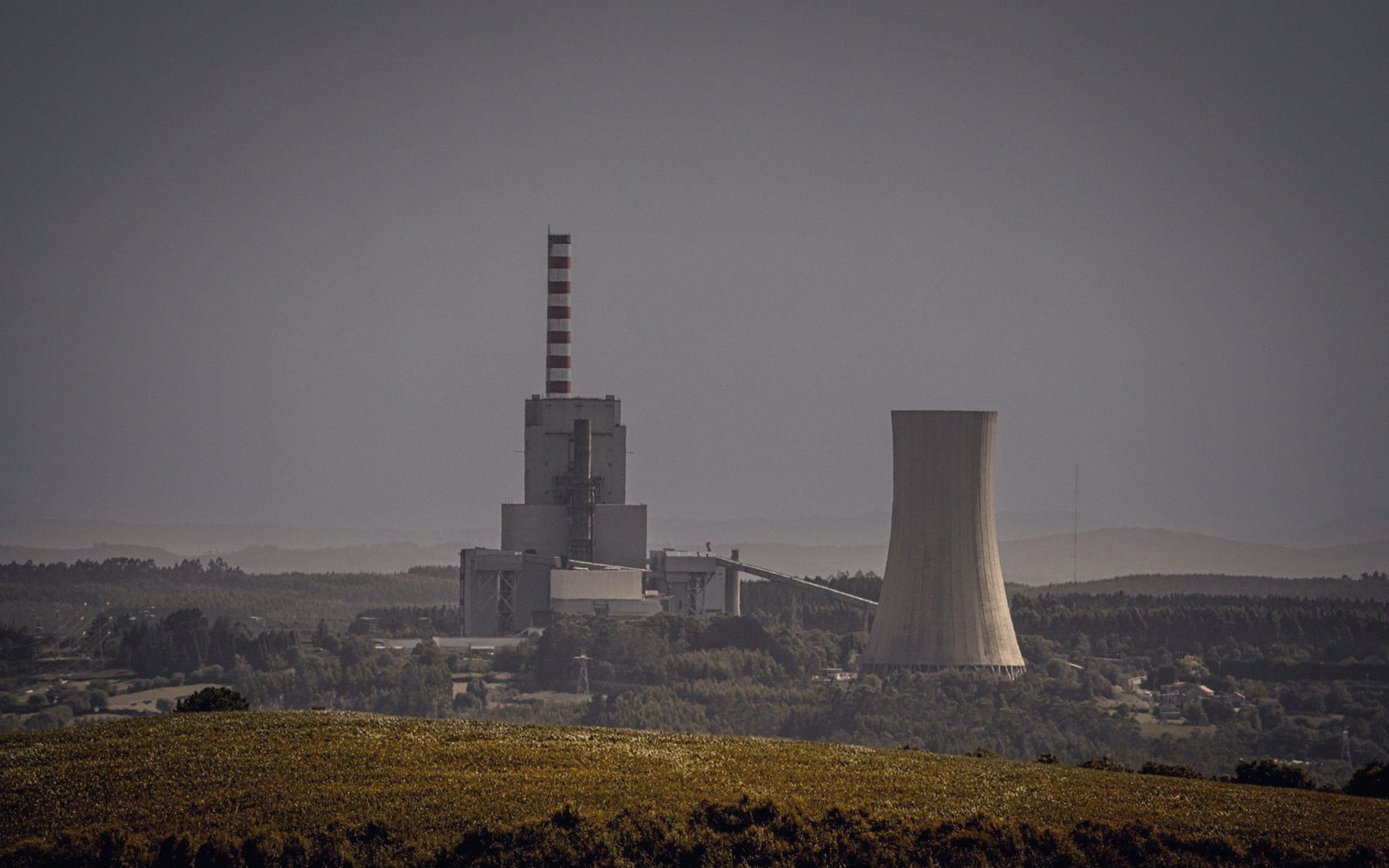
Torrevaldaliga Nord, operated by Enel, was the newest of the group, having been converted from oil to coal and substantially rebuilt in the mid-2000s; it ran three units with a combined capacity of around 1,980 MW. Brindisi Sud, also Enel, was older, larger in aggregate, and had been a persistent air-quality concern for the surrounding area for decades. Porto Tolle had a complex history of its own: long mothballed while a conversion to gas was planned, debated, delayed, then eventually abandoned. Each station had a different owner, a different vintage, and a different role in its regional grid.
The government's formal commitment to coal exit came in the National Integrated Energy and Climate Plan — the PNIEC, Italy's plan submitted to the European Commission under EU governance rules — which set 2025 as the target date for closing all coal generation on the mainland, with Sardinia, where the grid is islanded and the alternatives were harder to deploy, given until 2028. That distinction between mainland and island is not a political concession; it reflects a physical reality about how quickly an isolated system can absorb new capacity without threatening frequency stability.
What Left the Grid, and When
Closures were phased rather than simultaneous. Fusina, the smaller Venetian station, went first among the significant plants. Porto Tolle's units wound down without the gas conversion that had been promised for years; the site became a candidate for a very different kind of future. Brindisi Sud reduced operation progressively as gas and renewables took a larger share of dispatched generation in the south. Torrevaldaliga Nord kept running longer than some had expected, partly because the Rome metropolitan area's demand made its output genuinely useful during peak periods and partly because replacing 1,980 MW of firm capacity anywhere near the capital requires something concrete to replace it — not a promise of offshore wind in 2030.
The mechanism for managing the transition was not simply switching stations off and hoping the market filled the gap. Terna, the Italian transmission system operator, used capacity market auctions — mercato della capacità — to procure firm generation for years ahead, and several of the coal plants participated in these auctions through their final operating periods, collecting payments in exchange for guaranteed availability. This let the system operator plan the exit with some confidence that replacement capacity would arrive on schedule. Whether it always did is a separate and more uncomfortable question.
What the grid gained in those years was principally solar and, to a lesser extent, wind. Italy's solar build-out accelerated sharply after 2020, adding gigawatts of photovoltaic capacity mostly in the south and on islands — where irradiance is highest — though increasingly in the centre and north as well. The raw capacity numbers from solar installations concentrated in the south look impressive against the gigawatts lost from coal. The mismatch is temporal: coal burned at two in the morning in January; photovoltaic panels do not. Every megawatt of solar that replaced a coal megawatt on paper also required something else to cover the hours when the coal would have run and the solar cannot.
That something else is predominantly gas. Combined-cycle gas turbines built new or operated at higher load factors stepped into the dispatchable role that coal had occupied. Italy already had a large and relatively modern gas fleet, so the transition did not require building from scratch — it required running existing plant harder, and in some cases constructing additional capacity at sites where grid connection already existed. The result is a system that has largely stopped burning coal for power but has not stopped burning fossil fuel; it has substituted one for another, gaining lower carbon intensity per kilowatt-hour and dramatically lower particulate and sulphur emissions, while deferring the harder question of what happens to overnight demand when gas too has to go.
What Becomes of the Sites
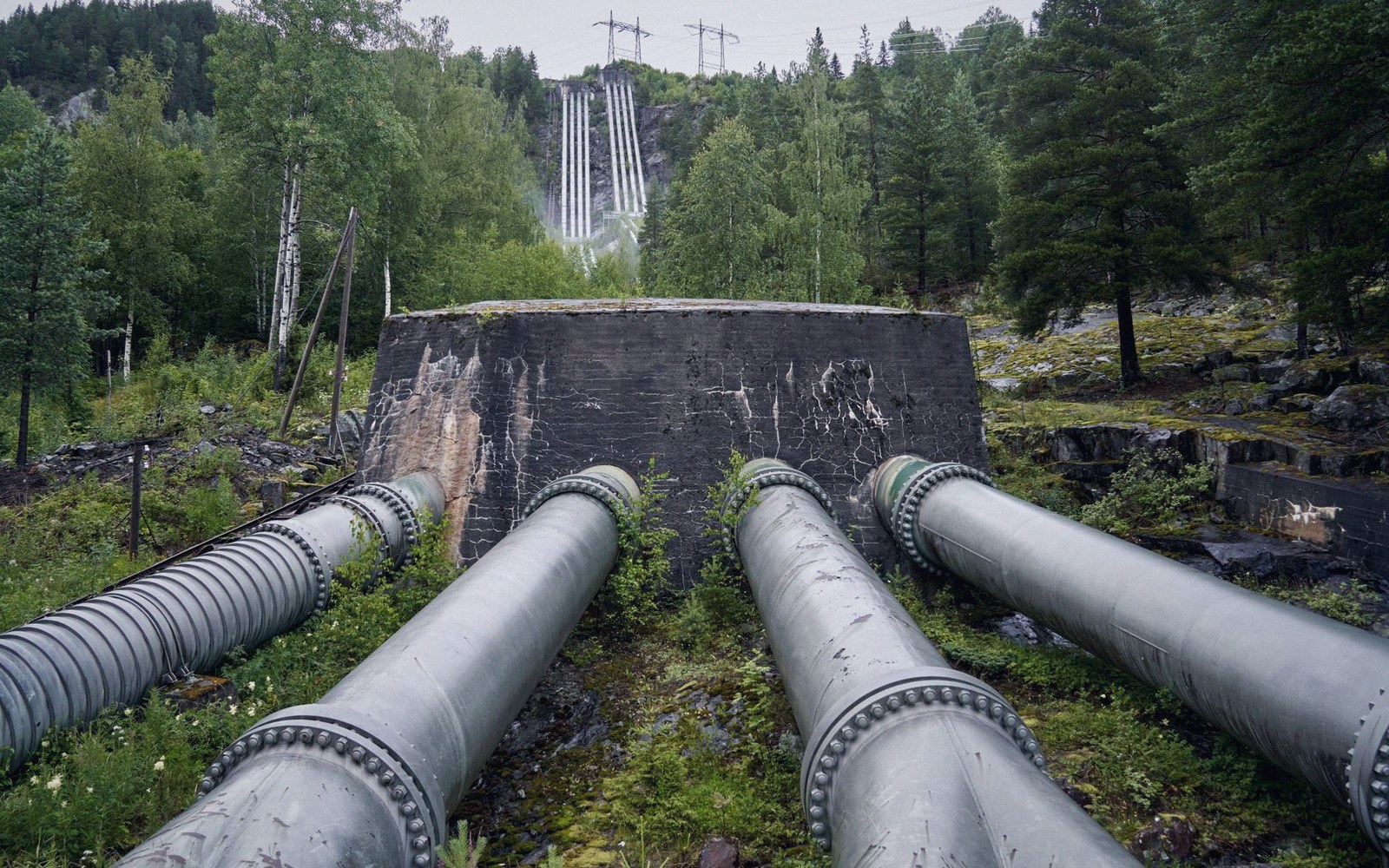
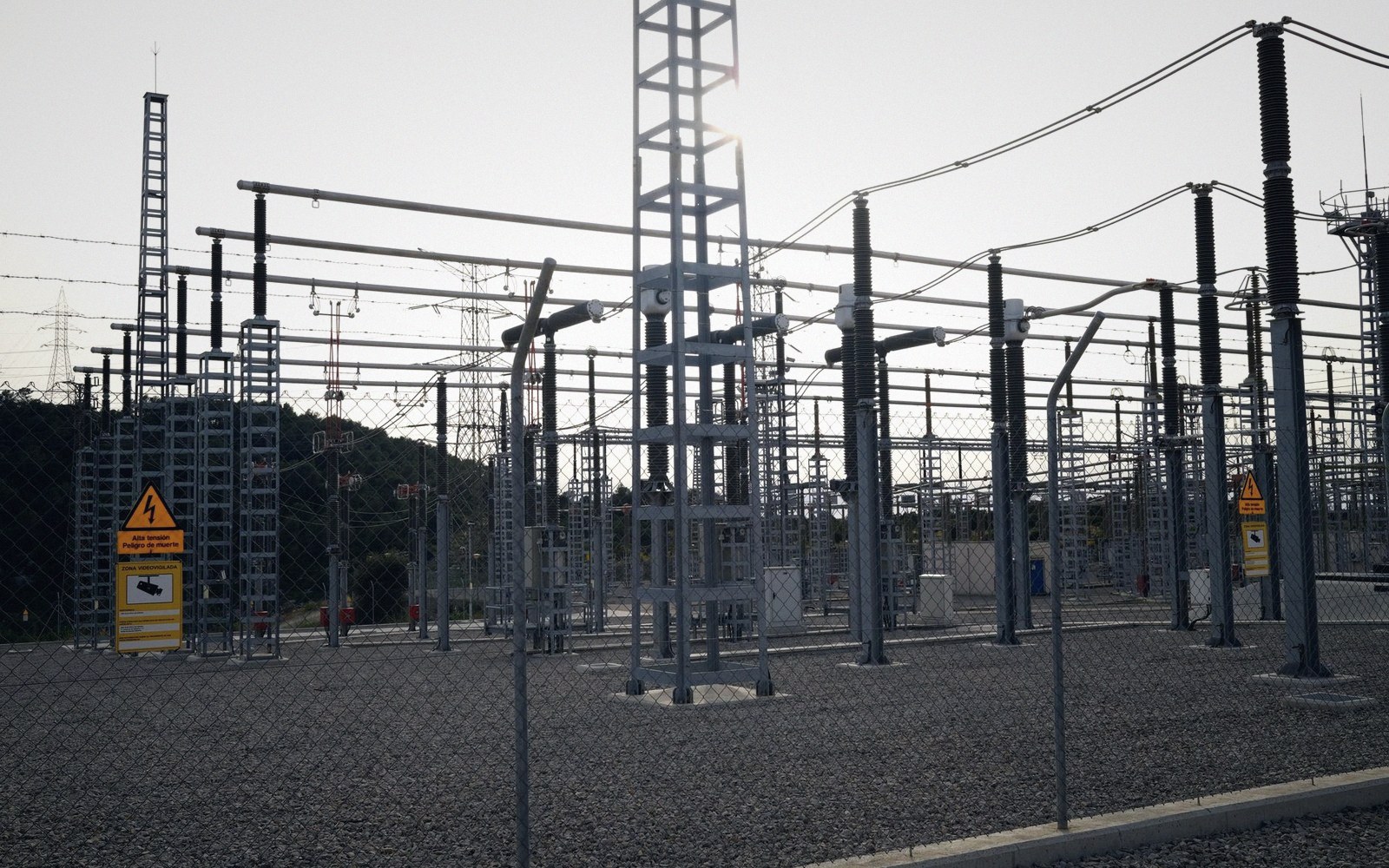
The physical consequences of closure are worth taking seriously, because a decommissioned coal station is not an empty field. It is a large, often contaminated industrial site with substantial grid infrastructure — high-voltage switchyards, transformer banks, transmission line connections — attached to it. That grid infrastructure is not demolished; it is repurposed. In several cases Terna has identified former coal-station sites as preferred locations for new grid assets, grid-scale battery storage, or the landing points for new interconnection.
Brindisi Sud, also Enel, was older, larger in aggregate, and had been a persistent air-quality concern for the surrounding area for decades.
Torrevaldaliga Nord's site at Civitavecchia is a case in point. The harbour is deep enough for large vessels; the grid connection is heavy-duty; the local workforce includes people who understand industrial power plant operation. Plans for the site after coal have included gas generation using the existing grid connection, battery storage at scale, and eventually a role in hydrogen logistics — the port is among those identified in Italian infrastructure planning as a potential hydrogen import terminal. Whether that hydrogen future materialises on the timescale promised is uncertain, but the site's industrial and grid value is real regardless.
Porto Tolle on the Po delta is a more difficult case. The plant sat on ecologically sensitive land in the Po Delta Regional Park, and its redevelopment carries environmental constraints that a coastal industrial port like Civitavecchia does not. Enel's closure plans for Porto Tolle included land remediation and, eventually, some renewable generation on parts of the site, though the scale is nothing like the coal output that preceded it.
Brindisi Sud is in a region — Puglia — where renewable development is intense: the Adriatic and Ionian coasts and the Murge plateau carry substantial wind capacity, and solar development has been rapid. The logic of retaining grid infrastructure at Brindisi to collect and transmit renewable output from the surrounding area is straightforward. Former thermal plant sites in high-renewable-density regions become collector nodes rather than generators.
Fiume Santo in Sardinia is the last in the coal fleet still operating under the extended island-grid timeline. The station in northern Sardinia burns both coal and oil, and its role in Sardinia's isolated system is precisely the dispatchable baseload function that the island's own solar and wind cannot yet reliably replace around the clock. The SA.PE.I. cable connecting Sardinia to the mainland can carry power in both directions, but its capacity is finite, and Sardinia cannot simply draw on mainland gas generation during the hours when the wind drops and the sun is down, not without grid reinforcement. The 2028 date for Sardinian coal exit is therefore tied, in the engineering logic of the PNIEC, to specific investments in storage, grid interconnection, and new dispatchable capacity on the island.
The Arithmetic of Exit
The honest summary is this: Italy has largely decarbonised its coal generation and replaced the megawatt-hours with a combination of expanded renewables and higher gas utilisation, while retaining the sites and switchyards for future use. Carbon intensity of Italian electricity generation has fallen. Local air quality around the former plant communities has improved substantially — this is not a trivial benefit in places like Brindisi, which lived downwind of those stacks for generations. The grid has remained stable, which is a genuine engineering achievement given the scale of firm capacity removed.
What the exit has not done is solve the problem of overnight winter demand, which gas-fired plant now covers in the way coal once did. Nor has it resolved the economic position of communities that built their identity and employment around power station work — a social consequence that energy plans acknowledge more readily than they address. The physical transition is essentially complete on the mainland. The accounting of what comes next — on the sites, on the grid, and in the towns — is still being written.